
One call reaches a licensed, local exterminator who covers your address — and a real person answers, 24/7.
Hurricane season in Mobile-Baldwin is also pest-surge season. Standing water from flooding, displaced wildlife, and stressed structural integrity create six-to-eight-week windows where pest pressure runs three to ten times its normal baseline. Some of the pests that show up after a storm are also the ones Mobile homeowners regularly underestimate going into hurricane season, which is part of why post-storm pressure feels disproportionate.
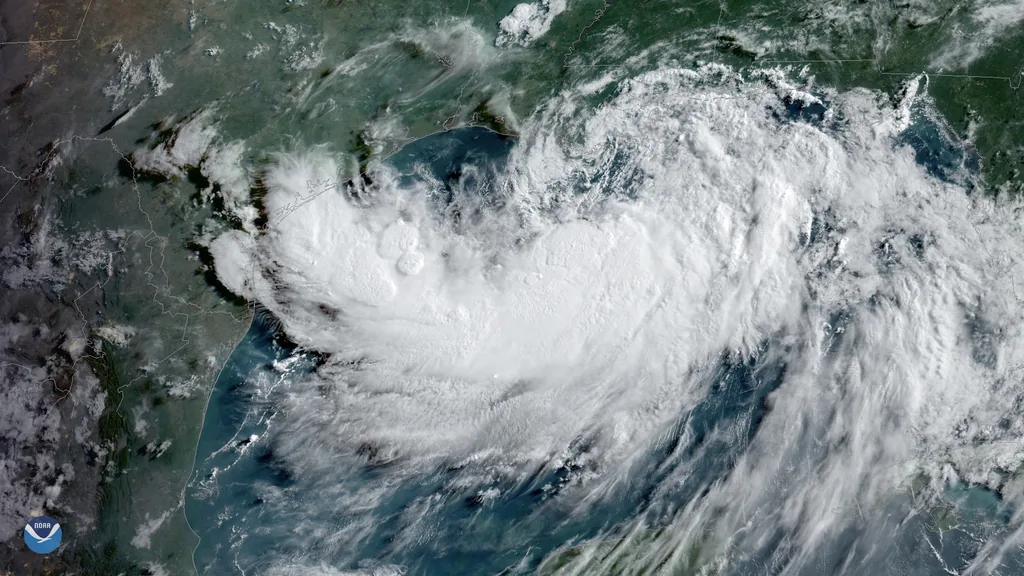
What should you do before the storm?
Eliminate any source of standing water you can move or drain. Empty plant saucers, flip tarps, drain bird baths, clean gutters. Mosquitoes need only a few millimeters of standing water to breed; clearing the easy wins now saves a worse problem later. Homes with an existing mosquito misting system should confirm the tank and nozzles are secured before high winds arrive.
Inspect the perimeter for entry points. High winds rip flashing, open soffit gaps, and stress old caulking. After a storm, rodents and wildlife will look for shelter — the fewer existing entry points, the less likely your house becomes the shelter.
Pull crawlspace screens and check vapor barriers. Storm flooding into a crawlspace creates roach-friendly humidity for months afterward. Fire ant colonies also respond to flooding by forming floating rafts that wash toward high ground, including porches and foundations — see fire ant mound treatment that actually works on the Gulf Coast for the two-tier bait-and-treat approach that addresses them once water recedes.
During the storm
No pest action is possible or wise. Stay safe; everything else waits.
48 hours after the storm
Walk the perimeter as soon as it is safe. Look for downed branches against the house (termite bridges), flooded crawlspaces, and any structural damage that lets in moisture.
Drain any new standing water that did not recede with the storm — this is the highest-impact post-storm pest action, because the mosquito-breeding clock starts within 48 hours.
Check the attic. Wind-driven rain finds gaps you didn’t know existed; even small moisture intrusions in an attic create cockroach- and silverfish-friendly conditions for weeks.
Two weeks after the storm
Schedule a pest-control walkthrough if you flooded. ADAI-licensed technicians have post-storm protocols for both rodent exclusion (closing the entry points wildlife found) and crawlspace remediation. The DIY vs. exterminator decision framework is more straightforward in the weeks after a storm than in normal months: post-flood structural conditions tip most situations toward a professional inspection rather than over-the-counter chemistry.
Watch for termite swarmers. Stressed structural lumber attracts subterranean termites; a flooded sill plate is a Formosan magnet. If you see swarmers indoors in the weeks after a flood, that is a fast-dispatch priority for a WDC-licensed operator. Homes with severe drywood activity confirmed after a storm sometimes need tent fumigation rather than a spot treatment — that page walks through the full before-during-after timeline. And if the home is mid-sale when the storm hits, storm damage can also affect termite letter timing for the closing, since a fresh inspection may be required if conditions changed.
For Mobile short-term rental hosts
Storm windows that overlap with travel surges magnify pest reputation risk. Hosts already running Mardi Gras-style high-turnover prevention protocols can extend the same documented inspection cadence through any post-storm reopen window, since flood-displaced pests don’t respect bookings.
Mobile County Health Department coordinates emergency mosquito response
County vector-control crews handle public-area spraying, but your yard is your responsibility. The 6-to-8-week post-storm window is when private barrier treatments earn their keep.
Get a Post-Storm Pest Walkthrough Scheduled
One call reaches a licensed, local exterminator who covers your address — and a real person answers, 24/7.
Frequently Asked Questions
How soon after a hurricane should I schedule a pest walkthrough in Mobile?
One call reaches a licensed, local exterminator who covers your address — and a real person answers, 24/7.
Does homeowners insurance cover post-storm pest control work in Mobile?
Standard Alabama homeowners policies typically do not cover routine pest control. Some structural remediation triggered by a covered storm event — like a damaged crawlspace vapor barrier — may fall under the storm claim, but ongoing pest treatment usually does not. Confirm with your carrier and document the pre-storm condition with photos.
Why is termite pressure higher after a hurricane in Mobile?
Stressed and saturated structural lumber attracts subterranean termites, and Mobile’s Formosan termite population is especially responsive to flood-stressed sill plates and wall framing. If you see swarmers indoors in the weeks after a flood, treat that as a fast-dispatch priority.
What pests should I expect in the six weeks after a Gulf Coast storm?
Mosquitoes lead the timeline because their breeding clock starts within 48 hours of standing water. Cockroaches and silverfish follow as crawlspace and attic humidity rises. Rodents move in over the same window as displaced wildlife looks for shelter. Subterranean termites — including Formosans — are the long-tail pressure that shows up in the weeks afterward.
Should I try DIY pest treatment after a storm in Mobile?
Post-storm structural conditions usually push the answer toward a licensed walkthrough rather than over-the-counter products. The DIY vs. exterminator decision framework covers when DIY is reasonable; flooded crawlspaces, attic moisture, and any termite swarmer activity are categories where DIY chemistry tends to scatter pests rather than control them.