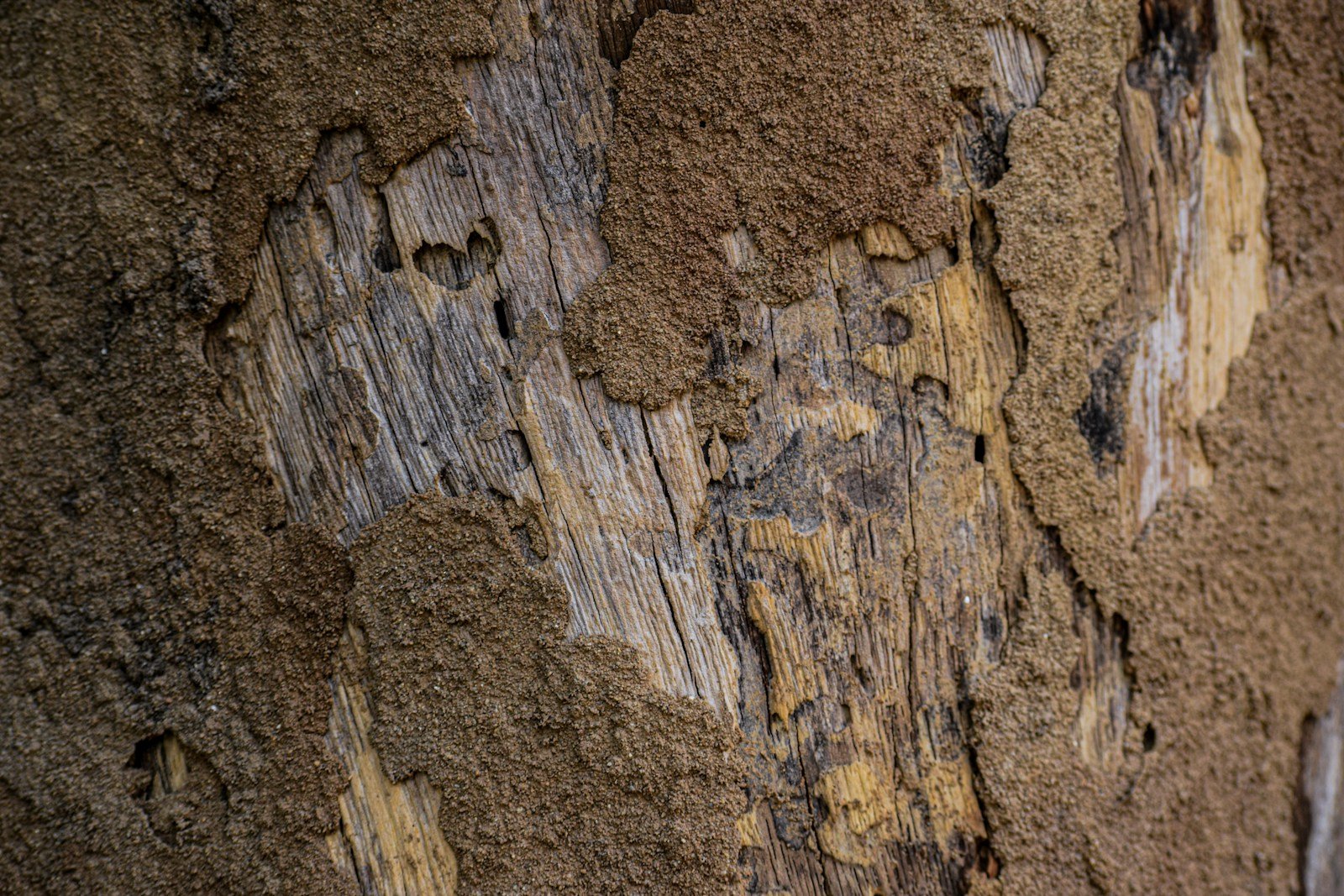
If you are searching for what termite treatment costs in Mobile, you are probably staring at a quote, a stack of saved wings, or a mud tube on the foundation and trying to figure out whether the number you are about to hear is fair. This page lays out the realistic price ranges Mobile and Baldwin County homeowners actually see, explains why coastal Alabama runs higher than most of the country, and tells you exactly what to ask so the quotes you collect are apples-to-apples.
Dealing with a pest problem right now?
📞 Call now — get matched with a licensed local exterminator: (888) 295-0220When you call, stay on the line for a few seconds while we match you with the licensed local exterminator for your area. Have your address and a quick description of the problem ready.
Licensed local pros · Fast response, subject to availability · No obligation
A quick note on the numbers below: every figure is third-party industry data describing what Mobile-area exterminators typically charge. None of it is a quote from us, and none of it is a flat rate. Your actual quote is between you and the exterminator you hire. What this page does is give you the lay of the land before that conversation, so a real number does not catch you off guard.
Quick answer: There is no flat price for termite treatment in Mobile. The number is set by the independent licensed operator after an on-site inspection, and it moves with the treatment type (liquid barrier, bait system, or fumigation), the home’s size and construction, and how established the colony is. Gulf Coast Formosan pressure tends to push scope higher than the national norm, so the fastest route to a real number is a licensed inspection.
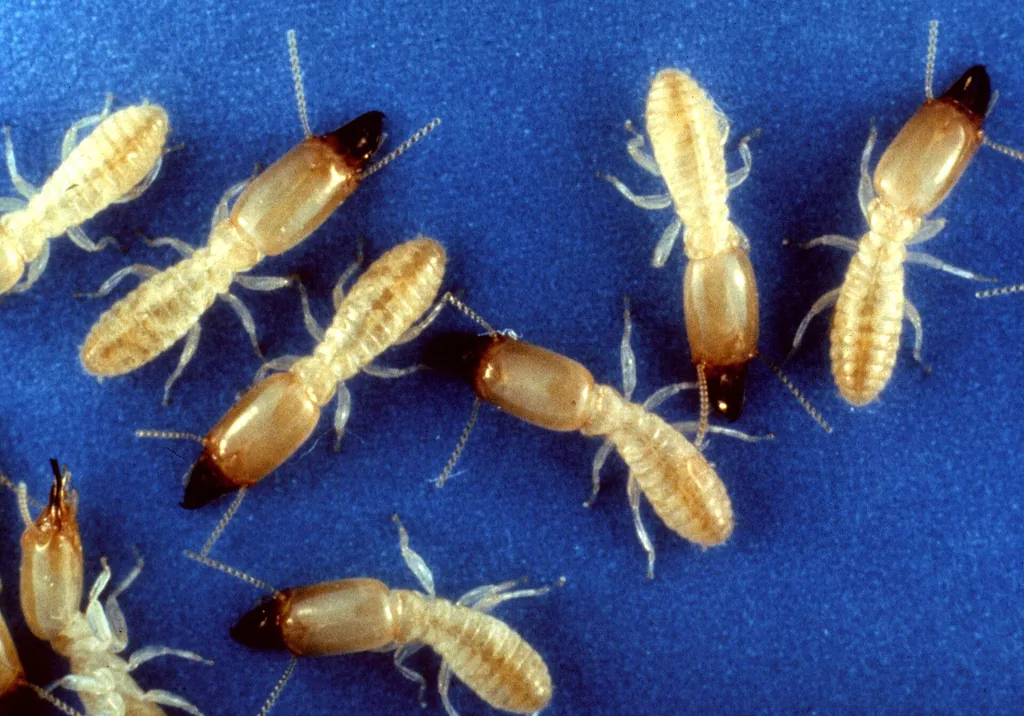
Why does termite pricing run high on the Gulf Coast (TIP Zone 1)?
Termite treatment costs more here than in most of the United States, and there is a documented reason for it. The U.S. Forest Service maps the country into Termite Infestation Probability (TIP) zones based on how much termite pressure a region faces. Mobile and Baldwin County sit inside TIP Zone 1, the heaviest pressure tier on that map. The entire Gulf Coast belt is rated for year-round subterranean termite activity, and coastal Alabama is squarely inside it.
That single fact drives almost everything about how termite work is priced and sold here. In a low-pressure northern zone, a termite bond can feel optional. In TIP Zone 1, exterminators price as though re-infestation is a question of when, not if, which is why renewable bonds, perimeter barriers, and monitoring are near-universal parts of a Mobile quote rather than upsells.
There is a second local driver layered over the zone rating: the Formosan subterranean termite. Mobile and Baldwin counties are one of the established hot zones for Formosan termites in the country. Formosan colonies are dramatically larger than native eastern subterranean colonies, sometimes numbering in the millions, and they forage aggressively. Bigger colonies mean bigger jobs, and bigger jobs trend toward bait and monitoring systems rather than a single liquid treatment. If a Mobile exterminator suspects Formosan activity, expect the conversation to move toward a station-based system, which sits at the higher end of the ranges below.
One call reaches a licensed, local exterminator who covers your address — and a real person answers, 24/7.
Typical price ranges Mobile-area homeowners see
Below are the ranges that show up consistently across third-party pricing data for the Mobile market. Read them as starting brackets, not promises. The single biggest reason two quotes for the same house differ is what is actually being quoted — a spot treatment is a different animal than a full perimeter barrier, and a one-time liquid job is different from an installed bait system with annual monitoring.
Inspection and the WDO letter
A standalone termite or wood-destroying-organism (WDO) inspection is the entry point, and it is often the lowest-cost line item in the whole process. Many Mobile-area companies fold the inspection into a treatment quote, while others charge for a formal WDO letter on its own, especially when it is tied to a real estate closing. A WDO letter is the official document a lender or buyer wants, certifying the inspected condition of the structure, and it carries more weight (and sometimes more cost) than a casual walk-through.
If you are buying or selling in Mobile or Baldwin County, the WDO letter is usually non-negotiable. If you are a current homeowner who just saw a swarm, an inspection is the step that tells you whether you are looking at an active infestation or last year’s evidence. Either way, the inspection is what turns guesswork into a real scope of work. For more on what that document covers, see the WDO inspection page for Mobile.
Liquid barrier (trench-and-treat)
A liquid barrier — the classic trench-and-treat method — involves digging a shallow trench around the foundation and treating the soil with a termiticide so foraging termites contact it. For a Mobile-area home, liquid barrier work commonly lands in the moderate-to-higher cost tier among termite treatment options, with the exact price driven by the linear footage of foundation, slab penetrations, and how much of the perimeter is accessible versus blocked by patios, porches, and landscaping.
The phrase to listen for is flush versus full barrier. A partial or “flush” treatment hits a localized area where activity was found. A full barrier treats the entire perimeter. They are not the same job, and they should not cost the same. If one quote is far lower than another, the first question to ask is whether it is a spot treatment or a complete perimeter barrier.
Bait-station systems (Sentricon-style)
Bait systems take a different approach: instead of treating the soil, the exterminator installs stations in the ground around the structure, and the colony carries the active ingredient back to the nest. These systems shine against large, aggressive colonies — which is exactly why they come up so often in the Formosan-heavy Mobile market.
Installation of a bait-station system commonly represents the highest up-front investment among termite treatment options for an average home, and most bait systems carry an ongoing monitoring and service component built into the annual bond. The higher up-front number reflects what you are buying: a monitored, colony-elimination approach rather than a one-time chemical barrier. For homes where Formosan activity is confirmed or strongly suspected, the Formosan termite page for Mobile walks through why station systems get recommended so often along the coast.
Annual termite bond and renewal
A termite bond is the ongoing agreement that keeps your home under inspection and protection after the initial treatment. In TIP Zone 1, this is the part most Mobile homeowners end up paying year after year. Annual bonds in the Mobile market typically represent a modest, predictable recurring cost, with the exact figure tied to home size, the type of system installed, and whether the bond is a re-treatment bond or a more comprehensive repair bond.
The distinction between a re-treatment bond (the company re-treats if termites come back) and a repair bond (the company also covers a defined amount of new termite damage repair) matters more than the dollar figure. A cheaper bond that only re-treats is not the same product as a pricier one that also covers structural repairs. Always confirm which one a quoted bond is. Whether the ongoing cost is worth it for your situation is a fair question to work through before you sign.
Whole-house and combined jobs
When a job involves a confirmed active infestation, multiple treatment methods, or a large or complex structure, the total moves up accordingly. Whole-house termite jobs across the broader market sit toward the higher end of the pricing spectrum, and depending on scope the full spread for termite work runs anywhere from a minor spot job at the lower end to comprehensive treatment at the upper end — with installed bait systems and combined approaches reaching higher still. The wide range is not vendors charging randomly; it is the difference between a single localized treatment and a full barrier-plus-monitoring program on a larger coastal home.
One call reaches a licensed, local exterminator who covers your address — and a real person answers, 24/7.
What changes your number
Two houses on the same street can get very different quotes, and it is almost always for legitimate reasons. Here are the factors that move the number most in the Mobile and Baldwin County market.
Home size and linear footage. Liquid barrier pricing tracks closely with the linear feet of foundation that must be trenched and treated. A larger footprint, an L-shaped or sprawling layout, or multiple attached structures all add linear footage and cost.
Foundation type. Slab, crawlspace, and pier-and-beam foundations each require different treatment access and technique. Slabs often require drilling through concrete to reach the soil beneath, which adds labor. Crawlspaces may be easier to treat but harder to inspect thoroughly. The foundation under your home is one of the biggest swing factors in a quote.
Formosan versus native termites. As covered above, confirmed or suspected Formosan activity pushes the recommendation toward bait and monitoring systems and toward the higher end of every range. The species genuinely changes the treatment plan, which is why getting an accurate identification before treatment matters so much.
Extent of the infestation. A swarm with no confirmed active galleries is a very different scope than an active infestation that has been eating into a sill plate for two seasons. The more established the colony and the more damage already present, the more comprehensive — and more expensive — the response.
Access and obstructions. Patios, decks, dense landscaping, additions, and slab penetrations all complicate treatment. The harder it is to reach the soil around the entire perimeter, the more the job costs.
What to ask the exterminator when you connect
Here is the practical part. When you get connected and start collecting quotes, these are the questions that keep the numbers comparable and keep you from comparing a spot treatment against a full program as if they were the same thing.
- Is this a flush (spot) treatment or a full perimeter barrier? This is the single most important question, because it is where the number moves most. A localized treatment and a complete barrier are different products at different prices.
- Liquid barrier or bait system — and why this one for my home? Ask the exterminator to explain the choice in terms of your foundation, your structure, and whether Formosan activity is suspected. The “why” tells you whether the recommendation fits your situation.
- Is a renewable bond included, and is it re-treatment or repair? Confirm whether ongoing protection is part of the quote, what the annual renewal costs, and exactly what the bond covers if termites return.
- What does the inspection or WDO letter cover, and is it itemized separately? Especially important for a closing.
- Is the species confirmed? If you saved swarmer wings, hand them over. Accurate species ID before treatment can change the entire plan.
Asking these five questions turns three confusing quotes into a clear comparison. If you want a broader sense of what general pest work runs locally beyond termites, the Mobile pest control cost overview puts termite pricing in context with other common services.
FAQ
How much does termite treatment cost in Mobile, AL? Across third-party industry data for the Mobile market, an initial termite treatment cost varies significantly by scope, ranging from a minor spot job at the lower end to comprehensive whole-house treatment at the upper end. Liquid barrier work typically lands in the moderate-to-higher cost tier, and installed bait-station systems represent the highest up-front investment among the options. These are typical market figures, not a quote — your number comes from the exterminator you hire.
Why is termite treatment more expensive in coastal Alabama? Mobile and Baldwin County sit in Termite Infestation Probability Zone 1, the heaviest termite-pressure tier the U.S. Forest Service maps. Year-round subterranean activity and the local concentration of Formosan termites mean treatments, bonds, and monitoring are near-universal rather than optional, which keeps pricing higher than in lower-pressure regions.
What is a termite bond, and how much does it cost in Mobile? A termite bond is an ongoing agreement that keeps your home under inspection and protection after treatment. Annual bonds in the Mobile market typically represent a modest, predictable recurring cost, tied to home size and system type. Confirm whether a bond is a re-treatment bond or a fuller repair bond, since they cover different things.
Is a liquid barrier or a bait system better for my home? Neither is universally better — it depends on your foundation, the structure, and whether Formosan termites are involved. Liquid barriers treat the soil around the foundation; bait systems use monitored stations and excel against large colonies, which is why they come up often in Formosan-heavy Mobile. The exterminator should explain the choice based on your specific home.
How much is a termite inspection or WDO letter in Mobile? Inspection cost varies, and many companies fold a basic inspection into a treatment quote. A formal WDO letter tied to a real estate closing is often charged separately because it is an official certified document. Ask whether the inspection is itemized on its own.
What are Formosan termites, and why do they matter for cost? Formosan subterranean termites form much larger and more aggressive colonies than native eastern subterranean termites, and Mobile and Baldwin counties are an established hot zone for them. Larger colonies push treatment toward bait and monitoring systems, which sit at the higher end of every price range.
Does home size change the price? Yes. Liquid barrier pricing tracks the linear footage of foundation treated, and larger or more complex homes cost more. Foundation type, access obstructions, and the extent of any active infestation also move the number.
How do I make sure two termite quotes are comparable? Ask each company the same questions: spot treatment or full barrier, liquid or bait and why, and whether a renewable bond is included and what it covers. Those answers turn confusing quotes into a fair side-by-side comparison.
One call reaches a licensed, local exterminator who covers your address — and a real person answers, 24/7.
MobileAlabamaExterminators.com is a dispatch service. We connect callers with licensed Alabama exterminators. We are not a licensed pest control company.
The disclaimer in our site footer and our 24/7 dispatch caveat apply to this page.