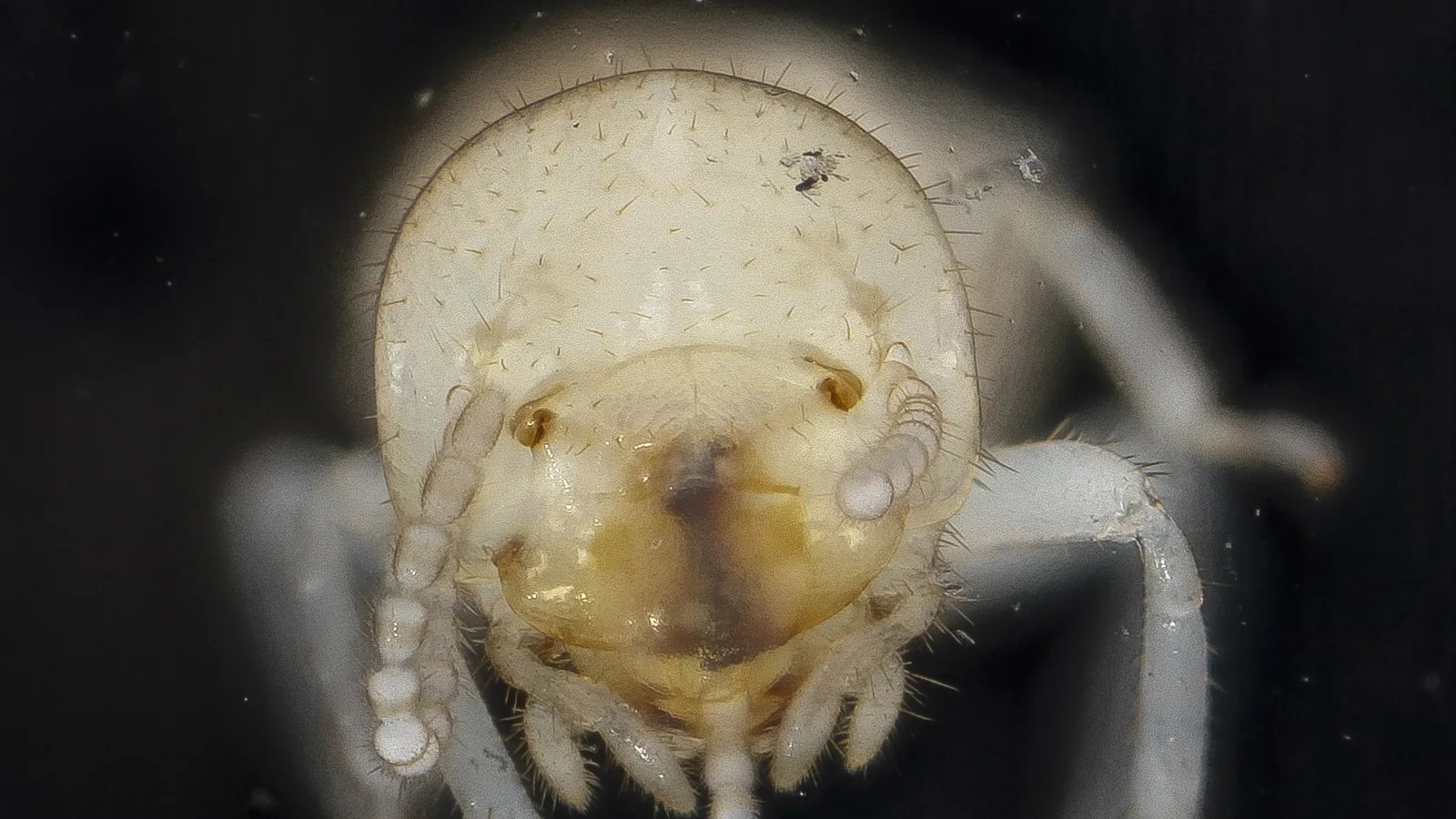
What actually moves a termite quote in Mobile
Nobody can price your termite job from a web page — and anyone who tries is guessing. What we can do is show you the five factors that move every Mobile-area termite quote. When you call and enter your ZIP, you’re connected live with an independent local company that inspects your foundation and puts a real number in writing. Pricing is set by the pest control company and varies by property, service, and market.
Want a termite quote for your house?
Call, enter your 5-digit ZIP on the keypad, and get connected live with a local pest control company. Free to call, 24/7.
Short answer: Termite treatment pricing in Mobile is quoted by the pest control company that inspects the home — not by this site. What moves the quote: the method (liquid soil barrier vs. bait stations vs. tent fumigation), linear footage and slab vs. crawl-space construction, and whether Formosan activity is involved. An inspection is the only way to turn those variables into an actual number.
Why this page won’t show you a price table
Search “termite treatment cost” and you’ll find plenty of national websites happy to hand you a price range. Here’s the problem: those ranges are averaged across the whole country, and Mobile is not an average termite market. This is IRC Termite Infestation Probability Zone 1 — the heaviest-pressure classification the code recognizes — with established Formosan colonies that most of the country never has to price for.
A number generated before anyone has walked your slab edge, crawled your crawlspace, or confirmed which species is in the wood isn’t a price. It’s a guess with a price tag. The real quote comes from an operator after an on-site inspection, in writing, with the treatment method and the bond terms spelled out. Pricing is set by that independent operator — this referral line never sets, marks up, or takes a cut of it.
What this page can do is more useful than a fake range: explain exactly which factors move a Mobile-area termite quote up or down, so when the operator hands you their number, you understand every line of it — and you can tell a carefully scoped quote from a lazy one.
The five factors that move every Mobile termite quote
Every legitimate written quote in Mobile or Baldwin County is built from these variables.
Species: Formosan, native, or drywood
The single biggest swing. Formosan colonies run into the millions and build carton nests inside walls, so operators scope tighter monitoring and often bait-plus-liquid combinations. Native Eastern subterranean work is the baseline. Drywood termites skip the soil entirely — their conversation is spot treatment versus fumigation, a completely different budget shape.
Linear footage, not square footage
Termiticide is applied per label spec by linear foot of foundation. A sprawling single-story ranch in West Mobile can need more product than a two-story home with the same floor area. Attached garages, porches, and additions all add treatable footage.
Foundation type
Slab homes need holes drilled through concrete for sub-slab injection; pier-and-beam homes in Midtown and Oakleigh need trenching and crawlspace work instead. Neither is automatically pricier — but each changes labor hours, and a house with both (original pier structure plus a slab addition) gets scoped as two jobs in one.
Bond type: retreat-only vs. repair
The annual bond is where quotes diverge most. A retreat-only bond covers re-application if termites return. A repair-and-retreat bond also covers fixing new damage — a meaningfully bigger commitment in Formosan country, priced accordingly. Renewal cost and transferability at home sale belong in writing.
The property itself
Eastern Shore and bayfront properties often add piers, boathouses, and outbuildings to the inspection scope. Homes with hurricane water-intrusion history — Sally left plenty — may need direct-wood treatment on compromised framing. Mature oaks against the roofline and mulch to the slab edge are conducive conditions the operator has to account for.
Method follows all of the above
Liquid soil treatment, bait stations, direct wood treatment, or fumigation — the method isn’t a menu you pick from, it’s the conclusion the operator draws from species, foundation, and conditions. That’s why the method conversation below matters more than any number.
How each treatment method shapes the quote
Educational only — the pest control company recommends the method and sets the price after inspecting.
- Liquid soil treatment. Mostly an upfront cost: product volume by linear foot, plus drilling labor on slabs. Non-repellent termiticides (fipronil-class chemistry) are the workhorse for native subterranean pressure. The quote should state the product name and the treated footage.
- Bait systems (Sentricon-class). A different cost shape — a station-installation charge up front, then an annual monitoring fee that continues as long as you keep the system. Often the recommendation under heavy Formosan pressure because the stations double as an early-warning grid. Ask what the annual fee covers and what happens if you cancel. More on how these systems work: bait systems in Mobile.
- Direct wood and spot treatments. Borate applications and injected foams for localized drywood galleries — typically the smallest jobs on this list, but only when the activity truly is localized. That’s an inspection call, not a homeowner call.
- Whole-structure fumigation. The big-ticket option, reserved for widespread drywood infestation or aerial Formosan carton nests that spot treatment can’t reach. Requires an FC-certified operator, tenting, and days out of the house — if an operator scopes fumigation, ask them to show you why spot treatment won’t hold.
Two operators can look at the same house and honestly scope different methods. That’s not a red flag — it’s a reason to have each one explain the “why” behind their approach. Comparing written quotes is reasonable, and nobody on this line will pressure you out of it.
Call (888) 295-0220, enter your ZIP, and get connected live with an independent local pest control company that covers your address. Free to call, 24/7.
The bond is half the conversation
In most of the country, a termite bond is an optional add-on. On the Gulf Coast it’s usually the heart of the deal, because in Formosan territory the question isn’t just “kill what’s there” — it’s “who’s watching this house next May when the swarmers fly?”
The two bond tiers read similar on paper and behave very differently when damage shows up. A retreat-only bond obligates the operator to re-treat if activity returns; the drywall and framing repairs are on you. A repair-and-retreat bond puts new structural damage on the operator’s tab too — which is why it costs more and why the operator inspects more carefully before writing one. In a heavy-pressure market, that difference can matter more than the treatment price itself.
Before you sign either kind, get three things in writing: the annual renewal amount, exactly what voids the bond (untreated additions and moisture problems are common outs), and whether the bond transfers to a buyer when you sell — a transferable bond is a genuine asset at closing in Mobile, where lenders routinely ask for a termite letter. The full walk-through of the bond decision lives here: is a termite bond worth it in Mobile?

Comparing termite quotes in Mobile?
Call, enter your 5-digit ZIP on the keypad, and get connected live with a local pest control company. Free to call, 24/7.
How to compare two termite quotes apples-to-apples
When the written quotes come back, don’t compare the bottom lines first. Compare these:
- Species confirmation. Does the quote name the termite — Formosan, native subterranean, or drywood — and say how it was confirmed? A quote with no species behind it is priced on a guess.
- Scope in feet and stations. Linear feet treated, number of bait stations, which structures are included. “Treat the house” is not a scope.
- Product names. The termiticide or bait product should be named. EPA registers every structural termiticide active ingredient; a legitimate operator will tell you exactly what’s going in your soil.
- Bond tier, renewal, and transfer terms. Retreat-only versus repair, the annual renewal amount, and whether it transfers at sale.
- ADAI license number. Verify it with the Alabama Department of Agriculture & Industries Pesticide Management Section before work begins. Legitimate operators expect the call.
If one quote is dramatically lower, the difference is almost always hiding in one of those five lines — usually the bond tier or the treated footage. Cheaper on day one is not cheaper in year three if the coverage isn’t there when swarmers show up in the bathroom.
Already seeing swarmers or mud tubes? Price research can wait — the inspection can’t.
Formosan swarms hit Mobile on warm, humid May and June evenings, and an indoor swarm means the colony is in or against the structure. Leave the wings where they fall (they’re how the operator confirms species) and get connected now. The referral line runs 24/7; the independent operator confirms their own timing and availability with you.
Termite treatment cost in Mobile — honest answers
Are you a pest control company?
No. Mobile Alabama Exterminators is a free referral line. We connect you with independent termite operators in Mobile and Baldwin County who perform every inspection and treatment and set their own pricing. We encourage verifying any operator’s license with ADAI before hiring.
So how much does termite treatment cost in Mobile?
Honestly: it depends on species, linear footage, foundation type, method, and bond tier — and it’s set by the pest control company after an on-site inspection, in writing. National averages mislead here because Mobile carries Formosan pressure most markets don’t. Getting connected through this line is free; the operator’s quote comes before any work.
Why do Formosan termites make treatment a bigger conversation?
Colony scale. Mature Formosan colonies can hold millions of termites versus a few hundred thousand for natives, and their carton nests hold moisture inside walls, letting them persist with less soil contact. Operators typically scope tighter monitoring, bait grids, or combination treatments for confirmed Formosan activity.
Is a bait system or a liquid treatment more economical?
They have different cost shapes rather than a fixed winner — liquid is mostly upfront, bait is installation plus an ongoing annual monitoring fee. Which one fits depends on species pressure, foundation, and soil conditions at your property. Ask the operator to explain why their recommendation fits your house specifically.
What’s the difference between a retreat bond and a repair bond?
A retreat-only bond covers re-treatment if termites return; a repair-and-retreat bond also covers new structural damage. Repair bonds cost more and matter more in Formosan territory. Get the renewal amount, exclusions, and transferability in writing before signing either.
Does getting connected through this site cost anything?
No. Getting connected is free, and you decide whether to hire anyone. The operator earns the job by inspecting and quoting — and comparing their quote against another operator’s is a reasonable thing to do.
Check the company before treatment starts
In Alabama, companies that do structural pest control, including household pest, termite and fumigation work, must hold a Professional Services license from the Alabama Department of Agriculture and Industries (ADAI). Ask for the company’s license and the name of its certified operator, and check with the ADAI Professional Services program before work starts.
Get the treatment plan, the products to be used, any follow-up visits and the price in writing. For termite work, ask what the contract covers, whether it’s retreatment only or includes repair of damage, and how long it lasts.
How the call works
- Call (888) 295-0220. Any time, day or night.
- Enter your 5-digit ZIP code on your phone’s keypad when prompted.
- Get connected live with a local pest control company that serves your ZIP. Describe what happened and ask when they can come out and what the job will cost.
Mobile Alabama Exterminators is a free referral line that connects callers with independent local pest control companies. We don’t perform the work. The company you’re connected with gives the quote, does the work and stands behind it.