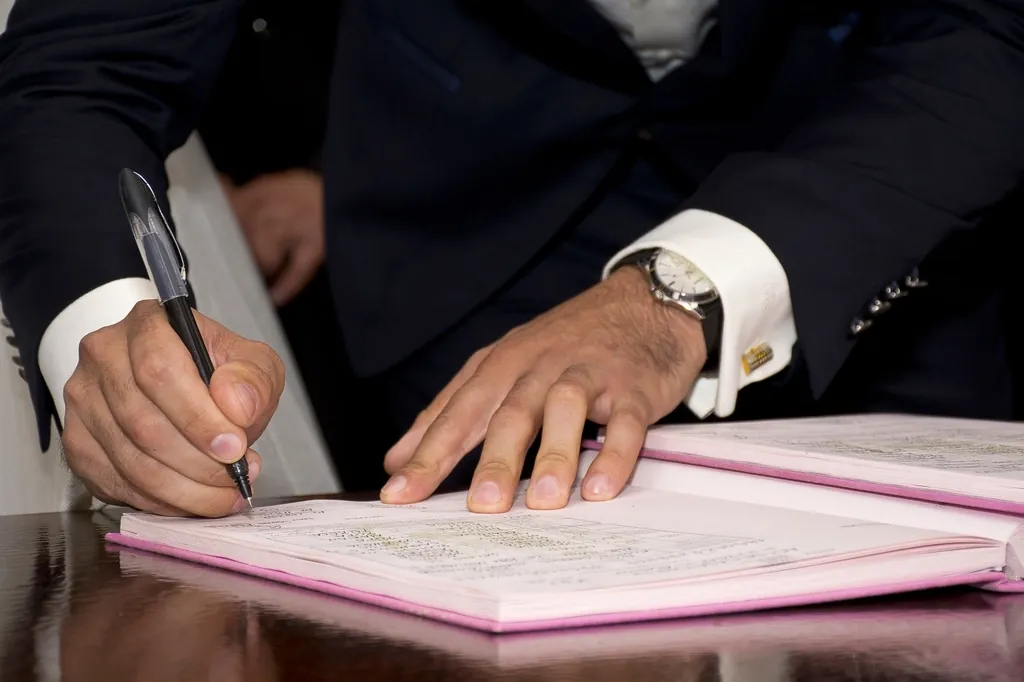
Termite letter in Mobile, AL — what your closing actually needs.
Your closer just asked for “the termite letter” and the clock is running. In Alabama that means a WDIR — Wood Destroying Insect Report — issued by an ADAI-licensed operator after an on-site inspection. This free 24/7 dispatch line connects you with an independent, licensed operator who issues them across Mobile and Baldwin County. They inspect, they quote, they issue the letter. You decide.
Free to check coverage. ADAI-licensed operators serving Mobile & Baldwin County, AL.
Closing date set? Call now
Tap to call — the dispatcher confirms coverage for the property address and routes you to a licensed operator.
Free to use · No obligation to hire anyone
Quick answer: The termite letter — officially the Official Alabama Wood Infestation Inspection Report, the written instrument named in Ala. Admin. Code r. 80-10-9-.18 — is what a Mobile lender commonly wants before closing. It comes from an ADAI-licensed inspector after a WDO inspection, is generally treated as valid for 30 days, and reports live termites, old damage, decay fungi, and beetle activity. Findings get negotiated between buyer and seller before the closing date.
What the Alabama “termite letter” actually is
Around a Mobile closing table, “termite letter,” “clearance letter,” and “wood infestation report” all mean the same document: Alabama’s Wood Destroying Insect Report, written on the state’s official WDIR form. It’s the report of a visual inspection of the home for termites and other wood-destroying organi, and in this market most lenders, and plenty of cash buyers with good agents, expect one before money changes hands.
Three things about it are worth getting straight before you order one:
- Only licensed operators can issue it. A WDIR has to come from a pest control operator licensed by the Alabama Department of Agriculture & Industries — not from a home inspector, not from a handyman with a flashlight. Your general home inspection, however thorough, does not substitute. You can verify any operator’s license through ADAI’s Pesticide Management Section in Montgomery at (334) 240-7240.
- It reports four kinds of findings. Visible evidence of active wood-destroying insects, visible evidence of previous infestation, visible evidence of previous treatment, and visible damage — plus conducive conditions like wood-to-soil contact or moisture problems. Note the word doing all the work: visible.
- It is not a warranty. A “clear letter” says a licensed inspector found no visible evidence in accessible areas on that date. It doesn’t certify the house termite-free, doesn’t cover what’s inside sealed walls, and doesn’t promise anything about next year. Protection going forward is what a termite bond is for — a separate document worth asking the seller about.
Why does this piece of paper get more scrutiny in Mobile than in most of the country? One word: Formosan. Lenders and underwriters know this is one of the heaviest Formosan subterranean termite areas in the continental U.S., and letters on Mobile and Baldwin County properties get read accordingly — especially on older homes in Midtown and Oakleigh, pier-and-beam construction, and anything with a history of previous treatment. That’s not a reason to dread the process. It’s a reason to order the letter from a licensed local operator who documents things properly the first time.
Closing date on the calendar? Lead with it when you call — “we close on the 28th and the lender wants the termite letter” tells the dispatch line everything it needs to route you to an operator who can work your timeline. Have the property address and access details ready.
Free to check coverage. ADAI-licensed operators serving Mobile & Baldwin County, AL.
How does the dispatch line work?
Total transparency: we answer phones and match. Licensed operators do the work.
You reach out, we listen
Reach out any hour. Tell us the property address, your closing date, and who needs the letter — lender, buyer, or both. About a minute, no cost, no obligation.
We match you locally
Mobile Alabama Exterminators is a dispatch and referral service, not a pest control company. Your call routes to an independent operator licensed by the Alabama Department of Agriculture & Industries who issues WDIRs in your area.
The operator takes over
The licensed operator inspects the property, completes the official WDIR form, and gives you their own quote for the inspection — and for any treatment, only if findings call for it. Verify their ADAI license first at (334) 240-7240.
What the WDIR inspection covers — and how the timing works
Knowing what the inspector looks at makes the whole closing conversation easier.
A WDIR inspection on a Mobile-area home is a ground-level, hands-on look at everywhere evidence shows up:
- Foundation and crawlspace. Mud tubes on piers and foundation walls, moisture staining, wood-to-soil contact, damaged sills and joists. On Midtown and Oakleigh pier-and-beam homes, the crawlspace is where letters are won and lost.
- Slab edges and garage. Expansion joints, plumbing penetrations, and the slab-to-siding line — the Formosan highways on newer West Mobile and Baldwin County construction.
- Interior and attic where accessible. Baseboards, window sills, door frames, visible framing — probing suspect wood, noting old damage, and checking for drywood pellet frass as well as subterranean signs.
- Evidence of previous treatment. Drill marks in slabs and mortar joints, old bait stations, treatment stickers in the panel box. Previous treatment isn’t a scandal — in Formosan country it’s common — but it must be documented on the form.
- Conducive conditions. Mulch piled against siding, leaky hose bibs, poor drainage, firewood on the slab — the fixable habits that make a lender’s underwriter read a letter twice.
On timing: order the letter once your closing date is real, but don’t sit on it. Lenders commonly expect the report to be recent — often dated within about 30 days of closing, though your closer confirms the exact requirement — so the sweet spot is one to three weeks out. That leaves room for the two scenarios that wreck timelines: findings that need a treatment proposal before the lender will proceed, and access problems (a locked crawlspace hatch has delayed more Mobile closings than anyone admits).
On who pays: in the Mobile market it’s a negotiated item like everything else in the contract. Local convention has often put the letter on the seller, but no loan type requires that — since VA Circular 26-22-11 (June 2022) a veteran buyer may pay for the termite inspection and any required repairs, and FHA has no seller-pays rule. The purchase agreement controls. Ask your agent to point at the line item rather than assuming.
The Mobile closing-season calendar
How termite season and real estate season collide on the central Gulf Coast.
| Season | What it means for your termite letter |
|---|---|
| Feb–Apr | Native subterranean swarm season overlaps the spring listing push. Wings on a windowsill during a showing become inspection findings — order the letter early enough to leave room for a treatment proposal if needed. |
| May–Jul | Formosan swarm season meets peak buying season. Letters get their heaviest scrutiny now, and operators’ schedules fill with both closings and active-termite calls — book ahead of your closing date, not the week of. |
| Aug–Oct | Feeding activity peaks in the heat even though swarms taper. Fresh mud tubes can appear on a house that looked clean in spring, which is why lenders want a recent report rather than last quarter’s. |
| Nov–Jan | The quietest inspection season and often the easiest scheduling. Winter letters still document previous treatment and conducive conditions — Mobile’s mild winters don’t stop subterranean termites, just the swarming. |
Free to check coverage. ADAI-licensed operators serving Mobile & Baldwin County, AL.
What should you ask the operator?
You’ll get a smoother closing — and a fairer quote — if you ask these up front.
- “Are you licensed to issue Alabama WDIRs?” Termite and WDO work is its own ADAI category. Confirm it directly, and check the number with the Pesticide Management Section at (334) 240-7240 if you want certainty.
- “Can you meet my closing date — and my lender’s freshness window?” Give them the exact date and ask how soon they can inspect and deliver the completed form to your closer.
- “What happens if you find something?” Ask how findings are handled: what goes on the form, what a treatment proposal looks like, and whether they re-inspect after corrective work so the file closes clean.
- “Does evidence of previous treatment cause a problem?” It usually doesn’t kill a deal — it gets documented, and lenders in Formosan country see it constantly. Ask how they write it up and what supporting detail they attach.
- “What exactly does the letter cover — and not cover?” A pro will tell you plainly: visible evidence, accessible areas, that date only, no warranty. If someone implies the letter certifies the house termite-free forever, that’s your cue to keep shopping.
Termite letters in Mobile — what do homeowners ask?
What is a termite letter, officially?
It’s Alabama’s Wood Destroying Insect Report — the WDIR — completed on the state’s official form by an ADAI-licensed pest control operator after a visual inspection. It reports visible evidence of active infestation, previous infestation, previous treatment, and damage from termites and other wood-destroying organi, plus conducive conditions. Most Mobile-area closings, and virtually all financed ones, expect it in the file.
Who can issue a termite letter in Alabama?
Only a pest control operator licensed by the Alabama Department of Agriculture & Industries for termite and wood-destroying-organism work. Home inspectors can flag concerns during a general inspection, but they cannot issue the WDIR your lender wants. You can verify any operator’s license through ADAI in Montgomery at (334) 240-7240.
How long is a termite letter good for?
Lenders generally want a recent report — commonly dated within about 30 days of closing, though requirements vary by lender and loan type, so confirm the exact window with your closer. Practically, that means ordering the inspection one to three weeks before closing: recent enough to satisfy the file, early enough to handle any findings without moving the date.
What happens if the inspector finds termite evidence?
The evidence goes on the form — that’s the point of the document. From there the parties negotiate: typically the seller arranges corrective treatment by a licensed operator, documentation is added to the file, and the lender proceeds. In Formosan-heavy Mobile, findings and previous-treatment notations are routine, not deal-enders. What matters is honest documentation and a licensed operator behind it.
Who pays for the termite letter — buyer or seller?
It’s set by the purchase agreement, not by law or loan type. Mobile convention has often placed it with the seller, but it is negotiable on VA, FHA, and conventional loans alike: since VA Circular 26-22-11 (June 2022) a veteran buyer may pay for the termite inspection and any required repairs, and FHA has no rule requiring the seller to pay. The inspection fee itself is set by the independent operator — ask for it when you book, and get the letter’s delivery method (to you, your agent, or the closer) settled at the same time.
Are you a pest control company?
No — Mobile Alabama Exterminators is a free dispatch and referral service. We connect Mobile and Baldwin County buyers, sellers, and agents with independent, ADAI-licensed operators who perform WDIR inspections and any treatment that findings call for. We never do the work ourselves, and we encourage you to verify any operator’s license before hiring.
Get the letter ordered before the deadline owns you.
, free to get matched, no obligation to hire. The licensed operator inspects and gives the quote.
Free to check coverage. ADAI-licensed operators serving Mobile & Baldwin County, AL.
Prefer to send details first? Use the contact form →