Mosquito control in Birmingham, AL — one call to a licensed operator.
Birmingham’s ridge-and-valley terrain settles water in the same low-lying streets every summer, from the Village Creek corridor through East Lake to the storm drains downtown. Our 24/7 dispatch line matches you with an independent, ADAI-licensed exterminator who treats the yard, not just the symptom. You call, we match, the licensed operator inspects and quotes.
One call, and you’re matched
Tell the dispatcher what you’re seeing — mosquitoes making an East Lake backyard unusable at dusk, standing water in a Village Creek-adjacent yard after rain, bites during the day near stored tires or gutters — and get matched with a licensed operator who covers your neighborhood.
☎ Call (888) 295-0220 (888) 295-0220 — answered 24/7Free call · No obligation to hire anyone · The licensed local exterminator you’re matched with inspects and sets the price
Mobile Alabama Exterminators is a free 24/7 dispatch and referral line. Call (888) 295-0220, describe your Birmingham mosquito problem — when it is worst, where the water sits — and we match you with an independent exterminator licensed by the Alabama Department of Agriculture & Industries who covers your address. The licensed operator, not us, inspects your property, sets the price, and does the work.
Why does Birmingham’s valley floor carry more mosquito pressure than the ridges above it?
Birmingham’s terrain did not just decide where the iron ore was — it decided where the water goes, and that is the whole mosquito story here. The ridges along Red Mountain and the higher ground toward Vestavia and Redmont drain fast; the valley floor beneath them, threaded by Village Creek and Valley Creek, holds water for days after a storm. Mosquitoes need standing water to breed, so the neighborhoods sitting lowest in that valley carry the heaviest pressure every summer, almost regardless of how well any single yard is maintained.
Village Creek runs through Ensley and the western part of the city, and Valley Creek threads through the southwest side, and both have a documented history of overflowing their banks during heavy rain — a legacy of a watershed heavily altered by mining, rail and industrial development over the past century. East Lake, built around its namesake lake and the low ground that feeds it, carries the same issue on the east side of town. After a hard summer storm, these are the neighborhoods where water sits in yards, ditches and low spots longest, and every extra day of standing water is another mosquito generation.
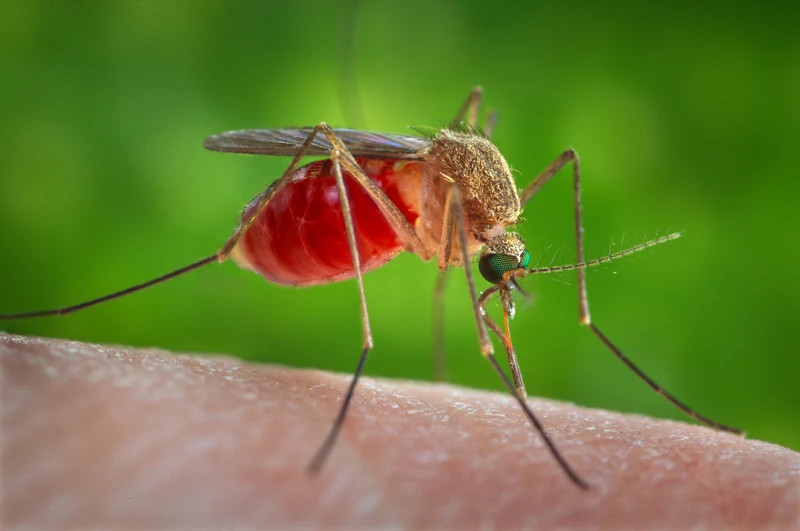
Not every breeding site is obvious, either. Birmingham’s storm drains and catch basins — part of the same aging infrastructure that shapes the city’s roach and rodent pressure — hold pooled water at the bottom even when the street above looks dry, and that is prime habitat for the southern house mosquito, Culex quinquefasciatus. Culex is the mosquito most associated with West Nile virus transmission in the Southeast, and it favors exactly the stagnant, organically enriched water a clogged or poorly draining storm drain provides.
The other half of Birmingham’s mosquito population does not need a creek or a drain at all. The Asian tiger mosquito, Aedes albopictus, breeds in tiny amounts of standing water — a stored tire, a clogged gutter, an overturned trash can lid, a plant saucer under a porch fern — and it thrives in exactly the kind of shaded, plant-heavy yards common in Birmingham’s older bungalow neighborhoods like Avondale and Forest Park. Unlike Culex, it bites aggressively during the day, so a yard can have a mosquito problem that has nothing to do with dusk and nothing to do with the nearest creek.
Birmingham’s mosquito season runs roughly April through October — shorter than the coast, where warm Gulf air keeps mosquitoes active nearly year-round, but still a full seven months where a yard can go from comfortable to unusable within a week of the right rain.
What a licensed operator actually does reflects both breeding patterns. Barrier treatment applied to shaded resting vegetation — the shrubs, hedges and low tree cover where adult mosquitoes rest during the day between blood meals — knocks down the active population on a property, and it is typically reapplied on a 21- to 30-day cycle through the season to stay ahead of new adults emerging.
For water a homeowner cannot simply dump out — a low spot near a Village Creek-adjacent yard, a stubborn drainage ditch, a decorative pond — larvicide dunks or briquettes kill mosquito larvae before they mature without treating the whole yard. Most visits start with a source-reduction walkthrough anyway: identifying and eliminating the container habitat a property owner controls, since that is often the fastest single change a Birmingham yard can make.
Mosquitoes ruining a Birmingham evening right now? Tell the dispatcher where the water is sitting — a low yard near Village or Valley Creek, a clogged gutter, stored containers — and whether it is a dusk problem or a daytime one.
☎ Call (888) 295-0220Free call · 24/7 · No obligation to hire — the licensed operator you’re matched with gives the quote
How does the mosquito dispatch line work in Birmingham?
Total transparency: we answer phones and match. Licensed operators do the work.
You call, we listen
Tap the number, day or night, and tell the dispatcher what you’re seeing in Birmingham — it takes about a minute, costs nothing, and you’re not committing to anything.
We match you locally
Mobile Alabama Exterminators is a dispatch and referral service, not a pest control company. We route your call to an independent operator licensed by the Alabama Department of Agriculture & Industries who covers Birmingham and the surrounding Jefferson County area.
The operator takes over
The licensed operator inspects your property, walks you through what they found, and gives you their own quote. Hiring them is entirely your decision — and you can verify their ADAI license first through the Pesticide Management Section in Montgomery at (334) 240-7240.
What else can you call the Birmingham line about?
The dispatch line routes five core problem types across Birmingham. Each links to a deeper guide on this site.
Pest control in Birmingham →
The parent hub for every pest problem across the city, from the Village Creek floodplain to the ridge neighborhoods.
Mosquito control →
The statewide mosquito guide — species identification, barrier treatment, and source-reduction basics.
Termite treatment →
The same red-clay drainage that pools mosquito habitat also keeps foundation soil damp enough for termites.
Rodent control →
North Birmingham’s drainage infrastructure carries rodents the way its low spots carry mosquitoes.
Mosquito activity after summer rain →
A closer look at why activity spikes after rain and how long the risk window actually lasts.
When is mosquito pressure worst in Birmingham?
The valley floor and the calendar both matter.
| Season | What shows up in Birmingham homes |
|---|---|
| Apr-May | Season starts as spring rain fills the low spots along Village Creek and Valley Creek; Asian tiger mosquitoes emerge first in the shaded, plant-heavy bungalow yards. |
| Jun-Aug | Peak season — Culex populations build in storm drains and catch basins citywide, while Asian tiger mosquitoes stay aggressive through the day in Avondale, Forest Park and East Lake yards. |
| Sep-Oct | Late-season activity holds in the floodplain neighborhoods after any tropical rain moving up from the Gulf; the season typically tapers by late October with the first real cold. |
| Nov-Mar | Largely dormant — eggs laid by Asian tiger mosquitoes overwinter in dry containers, ready to hatch with the next spring rain, which is why fall container cleanup matters. |
Just had a hard rain? Mention how long water has been standing in your yard or street — in the valley neighborhoods, that timing tells an operator a lot before they even arrive.
☎ Call (888) 295-0220Free call · 24/7 · No obligation to hire — the licensed operator you’re matched with gives the quote
What should you ask the operator about your mosquito problem?
Asking these on the first visit gets you a better outcome — and a fairer quote.
- “Did you identify Culex or Asian tiger activity, or both?” Storm-drain-breeding Culex and container-breeding Aedes albopictus call for different source-reduction targets. Ask what the operator found and where.
- “What’s your ADAI license number?” Every legitimate Alabama operator carries one, and the Pesticide Management Section in Montgomery can confirm it. A pro expects the question.
- “What did the source-reduction walkthrough turn up?” A thorough visit identifies the specific containers, low spots or drainage issues on your property driving the population, not just where to spray. Ask for the list.
- “How often does the barrier treatment need reapplying?” Barrier applications to resting vegetation typically last 21 to 30 days before mosquito activity returns. Ask what cadence the operator recommends for your yard and season.
- “Is my yard a good fit for larvicide dunks, or do I need drainage work?” Standing water you cannot simply eliminate, like a low spot near a creek or a stubborn ditch, may call for larvicide rather than a spray-only approach. Ask which applies to your specific problem area.
None of these questions slow down an operator who works Birmingham’s floodplain neighborhoods and older bungalow yards every week — the answers tell you whether the plan addresses your actual breeding sites.
Mosquito control in Birmingham — what do homeowners ask?
Are you a pest control company in Birmingham?
No — Mobile Alabama Exterminators is a free dispatch and referral service. We connect Birmingham homeowners with independent, ADAI-licensed pest control operators who perform the inspection and treatment. We never do the work ourselves, and we encourage you to verify any operator’s license before hiring.
How much does mosquito control cost in Birmingham?
The price is set by the independent operator after inspecting your property — it depends on lot size, breeding sites found and whether it is a one-time or seasonal program. The call and the match are free; ask the operator what drives their quote.
Why is my yard so much worse than my neighbor’s a block over?
Elevation and drainage matter more than most people expect. A yard sitting lower, closer to Village Creek, Valley Creek or a poorly draining storm system, holds standing water longer than a yard on higher ground even a short distance away, and standing water is what breeds mosquitoes.
I’m getting bitten during the day, is that normal?
It usually points to the Asian tiger mosquito rather than the dusk-biting species most people expect. It breeds in small containers like gutters, tires and plant saucers around shaded, plant-heavy yards common across Birmingham’s older bungalow neighborhoods, and it bites aggressively any time of day.
Which parts of Birmingham does the line cover?
The line routes across the city — the Village Creek and Valley Creek floodplain neighborhoods, East Lake, the older bungalow blocks in Avondale and Forest Park — plus the rest of Jefferson County. Call and the dispatcher confirms coverage for your address.
Can I get someone after hours in Birmingham?
The dispatch line answers 24/7. Appointment timing is set by the independent operator and depends on their schedule and your location — availability varies by operator and time of day. The operator confirms timing with you directly.
Ready when you are — day or night.
, free to get matched, no obligation to hire. The independent ADAI-licensed operator who covers your Birmingham neighborhood inspects and gives the quote.
☎ Call (888) 295-0220(888) 295-0220 — free call, 24/7. The licensed operator inspects and gives the quote.