Mosquito control in Mobile, AL — one call to a licensed operator.
From the shotgun-house gutters of Midtown to the azalea beds of Spring Hill and the boat tarps along Dog River, Mobile Alabama Exterminators is a free 24/7 dispatch and referral line that matches you with an independent, ADAI-licensed mosquito control operator who already works your part of the city.
One call, and you’re matched
Tell the dispatcher where you’re seeing bites and when — dusk in the backyard, daytime near a gutter or planter, after rain along Three Mile Creek — and get matched with a licensed operator who covers Mobile.
☎ Call (888) 295-0220 (888) 295-0220 — answered 24/7Free call · No obligation to hire anyone · The licensed local exterminator you’re matched with inspects and sets the price
Mobile Alabama Exterminators is a free 24/7 dispatch and referral line. Call (888) 295-0220, describe where you’re seeing mosquito activity in Mobile, and we match you with an independent operator licensed by the Alabama Department of Agriculture & Industries who covers your neighborhood. The licensed operator — not us — inspects your property, sets the price, and does the work. Calling costs nothing and you’re never obligated to hire anyone.
Why does Mobile fight the longest mosquito season in Alabama?
Mobile’s relationship with mosquitoes runs deeper than almost any city in the country’s public-health memory. Through the 1800s, yellow fever repeatedly emptied Mobile’s streets — the 1853 and 1897 epidemics drove residents out to the pine barrens north of town, closed the port to shipping, and left the city with a lasting institutional wariness of standing water that predates modern vector science by a century. That history is part of why Mobile still treats mosquito control as public infrastructure rather than a seasonal nuisance, with a county mosquito-control program that has operated continuously for decades.
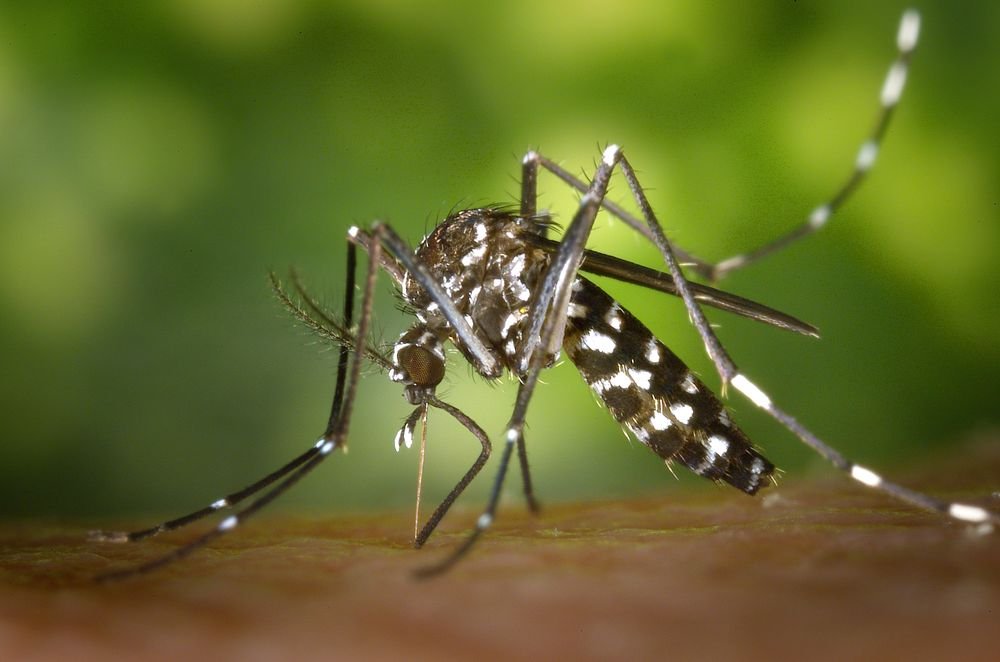
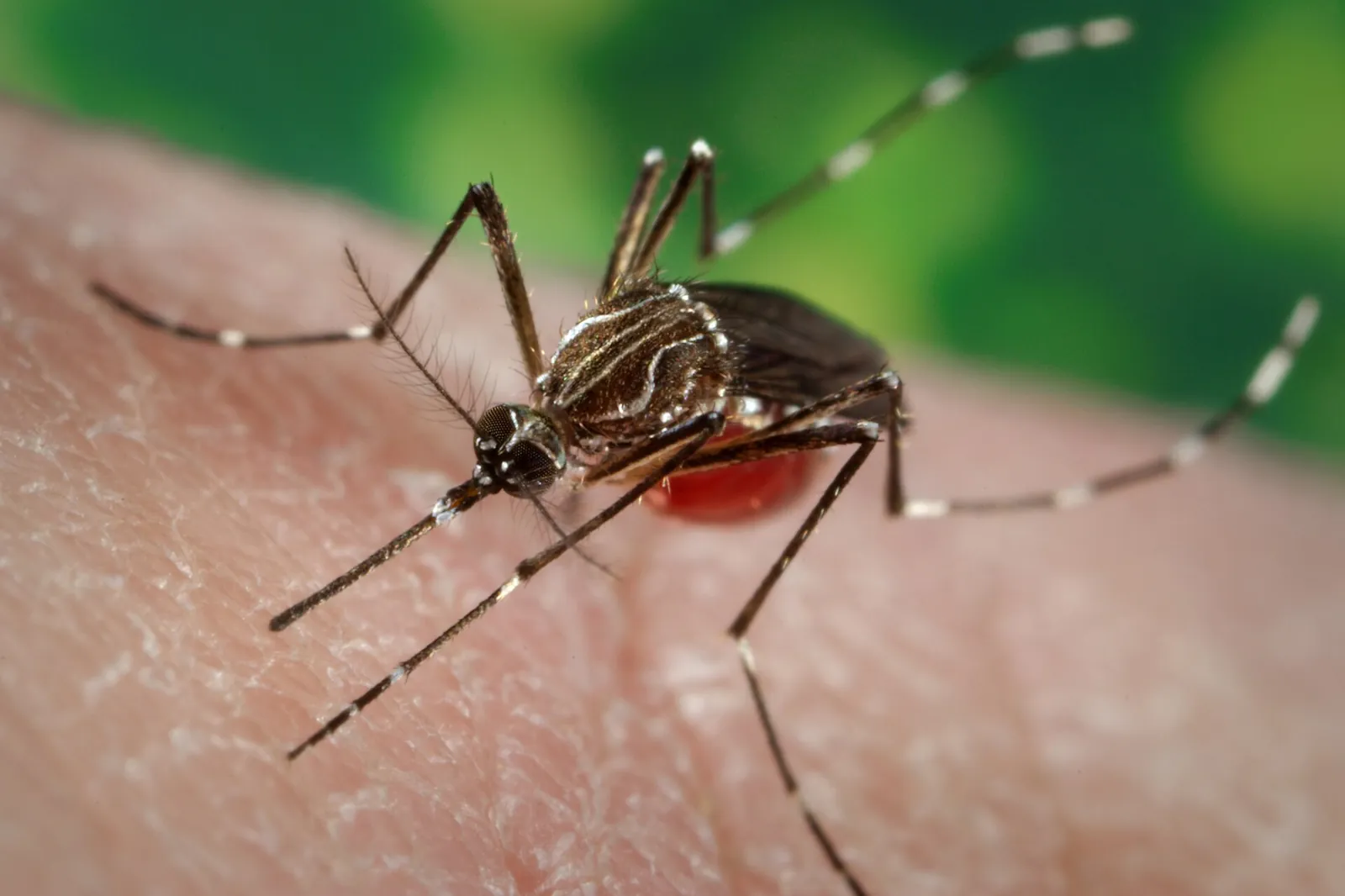
What has changed is which mosquitoes are doing the biting. Aedes aegypti and the Asian tiger mosquito, Aedes albopictus, are the two species behind most daytime bites today, and both are container breeders that live within a few yards of the people they bite — not in some distant swamp. A clogged gutter on a Midtown shotgun house, a saucer under an azalea pot on Old Dauphin Way, a bromeliad on an Oakleigh Historic District porch, a forgotten kiddie pool in a west Mobile slab-subdivision backyard, a boat tarp holding rainwater in a driveway — and in a city this full of boats, that last one matters more than most homeowners realize. Each of those sites is a nursery producing biting adults within the same block where people sit outside.
Between rain events, a second species takes over. Culex mosquitoes breed in Mobile’s extensive storm-drain network — catch basins, curb inlets and the standing water that collects along Government Street and Dauphin Street downtown — and they are the species most often tied to West Nile virus locally. Because that habitat is underground infrastructure rather than a backyard, it calls for a different approach than a homeowner walkthrough: a barrier program timed to the drain network itself, not just the yard.
Mobile’s lowlands add a third layer. Dog River, Three Mile Creek and the marshy delta-edge ground where the city meets Mobile Bay hold water long after a storm passes, and after a hard summer downpour or a tropical system, floodwater species emerge in the neighborhoods that back up to those corridors. Azalea-garden irrigation culture — the soaker hoses and drip systems that keep Mobile’s famous spring gardens blooming — adds a steady low-level water source through the growing season, on top of whatever the weather provides.
- Season length: mosquito pressure in Mobile runs roughly February to November — the longest window in the state.
- Barrier cadence: treatment on resting vegetation typically needs to repeat every 21 to 30 days to hold through that stretch.
- Water that won’t drain: fountains, rain barrels and low spots get larvicide dunks rather than a spray.
- Source reduction: a walkthrough often finds the container ten feet from the porch that’s outproducing everything else.
Hurricane season adds a spike on top of that baseline. Standing water left behind by tropical systems — pooled yards, clogged drainage, downed-tree root wells — can turn into a mosquito surge within one to two weeks of a storm, right as cleanup crews and residents are spending the most time outdoors.
The county’s aerial and truck-spray program manages broad public-health risk across Mobile County; it does not reach into a specific backyard or treat the container breeding under a specific porch. That is the gap a yard-level operator fills — and it is the operator this line matches Mobile callers with, working the resting vegetation, the water that will not drain, and the source right next to the house.
Seeing bites around your Mobile property? Tell the dispatcher when and where — dusk in the yard, near a gutter or planter, after rain along a creek or ditch. A specific report gets you matched with the right operator the first time.
☎ Call (888) 295-0220Free call · 24/7 · No obligation to hire — the licensed operator you’re matched with gives the quote
How does the mosquito dispatch line work in Mobile?
Total transparency: we answer phones and match. Licensed operators do the work.
You call, we listen
Tap the number, day or night, and tell the dispatcher what you’re seeing in Mobile — it takes about a minute, costs nothing, and you’re not committing to anything.
We match you locally
Mobile Alabama Exterminators is a dispatch and referral service, not a pest control company. We route your call to an independent operator licensed by the Alabama Department of Agriculture & Industries who covers Mobile and the surrounding Mobile & Baldwin County area.
The operator takes over
The licensed operator inspects your property, walks you through what they found, and gives you their own quote. Hiring them is entirely your decision — and you can verify their ADAI license first through the Pesticide Management Section in Montgomery at (334) 240-7240.
What else can you call the Mobile line about?
The dispatch line routes several core problem types in Mobile. Each links to a deeper guide on this site.
Pest Control Mobile, AL →
The full Mobile dispatch hub — termites, roaches, rodents, ants and more, all one free call away.
Bed Bug Treatment →
Downtown hotel corridors, Mardi Gras season and Midtown rentals all drive Mobile bed bug calls. See the dedicated page.
Rodent Control →
Mice and rats working Mobile’s shotgun houses, historic districts and lowland yards. Exclusion and trapping from a licensed operator.
Termite Control →
Formosan and native subterranean termites are a real threat in Mobile’s humid, coastal soil. Inspections and treatment referrals.
Pest Library →
Browse every pest this line covers across Mobile and Baldwin County, from fire ants to carpenter ants.
When is mosquito pressure worst in Mobile?
Mobile runs the longest mosquito season in the state, with hurricane season adding its own spike.
| Season | What shows up in Mobile homes |
|---|---|
| Feb–Apr | Season starts early on the Gulf Coast — Culex activity picks up in the storm-drain network as azalea-garden irrigation ramps up for spring. |
| May–Aug | Peak season. Aedes aegypti and Asian tiger mosquitoes breed in yard containers across Midtown, Spring Hill and west Mobile subdivisions; barrier treatment cadence matters most now. |
| Sep–Nov | Hurricane season standing water can trigger a floodwater-species surge along Dog River, Three Mile Creek and delta-edge lowlands within days of a storm. |
| Dec–Jan | Mobile’s mildest stretch, but rarely a true dormant season — container water and warm spells can still keep activity going. |
Recognize your season? Tell the dispatcher what’s driving it — a wet yard, a recent storm, or bites that started weeks ago. Timing shapes the treatment plan.
☎ Call (888) 295-0220Free call · 24/7 · No obligation to hire — the licensed operator you’re matched with gives the quote
What should you ask the operator you’re matched with?
Asking these on the first visit gets you a better outcome — and a fairer quote.
- “What’s your ADAI license number?” Every legitimate Alabama operator carries one, and the Pesticide Management Section in Montgomery can confirm it. A pro expects the question.
- “Will you treat resting vegetation, or just fog the yard once?” A single fog knocks down what’s flying that hour. Lasting control targets the shaded shrub lines and fence rows where adults rest between bites.
- “How often do you come back?” Mobile’s long season means barrier treatment on resting vegetation typically needs reapplication every 21 to 30 days to hold, not a single visit.
- “What do you do with water I can’t drain?” Fountains, rain barrels and low spots that never dry should get larvicide dunks, not just a perimeter spray. Ask which sites on your property get which method.
- “Do you do a source-reduction walkthrough?” The container breeding closest to the house is often the biggest driver. Ask the operator to walk the yard and point out what they find, not just spray and leave.
None of these questions are rude, and none slow a good operator down. The ones who work Mobile’s neighborhoods every week answer them without blinking — and the answers tell you who you’re dealing with before any money changes hands.
Mosquito control in Mobile — what do homeowners ask?
Are you a pest control company in Mobile?
No — Mobile Alabama Exterminators is a free dispatch and referral service. We connect Mobile homeowners and businesses with independent, ADAI-licensed pest control operators who perform the inspections and treatments. We never do the work ourselves, and we encourage you to verify any operator’s license before hiring.
How much does mosquito control cost in Mobile?
The price is set by the independent operator after they’ve inspected — it depends on the property, the water sources present and the program scope. The call and the match are free, and the operator gives you their own quote before any work starts.
Why does Mobile have such a long mosquito season?
Latitude, humidity and rainfall. Mobile’s Gulf Coast climate keeps temperatures mild enough for mosquito activity from roughly February into November, the longest window anywhere in Alabama, which is why treatment cadence matters more here than almost anywhere else in the state.
Do I really need repeat treatments, or is one visit enough?
One visit knocks down what’s active that day. Because Aedes species breed on a roughly three-to-four-week cycle in Mobile’s warm season, most licensed operators recommend a recurring barrier program timed to that cycle rather than a single spray.
Which parts of Mobile does the line cover?
The line routes across the city — Midtown, Spring Hill, downtown and the historic districts, west Mobile subdivisions, and the neighborhoods along Dog River and Three Mile Creek — plus the rest of Mobile and Baldwin County. Call and the dispatcher confirms coverage for your address.
Can I get someone after hours in Mobile?
The dispatch line answers 24/7. Appointment timing is set by the independent operator and depends on their schedule and your location — availability varies by operator and time of day. The operator confirms timing with you directly.
Ready when you are — day or night.
One call connects you with an independent, ADAI-licensed mosquito control operator who already works your part of Mobile.
☎ Call (888) 295-0220(888) 295-0220 — free call, 24/7. The licensed operator inspects and gives the quote.