If it feels like the mosquitoes get worse the day after a Gulf Coast downpour, that’s not in your head. Mobile sits at the intersection of high humidity, brackish marsh, and a summer rain pattern that drops an inch of water in twenty minutes several afternoons a week from June through October. That combination is close to ideal mosquito breeding weather, and it shows up fast — some species can go from egg to biting adult in about a week when the water and heat cooperate.
Dealing with a pest problem right now?
📞 Call now — get matched with a licensed local exterminator: (888) 295-0220When you call, stay on the line for a few seconds while we match you with the licensed local exterminator for your area. Have your address and a quick description of the problem ready.
Licensed local pros · Fast response, subject to availability · No obligation
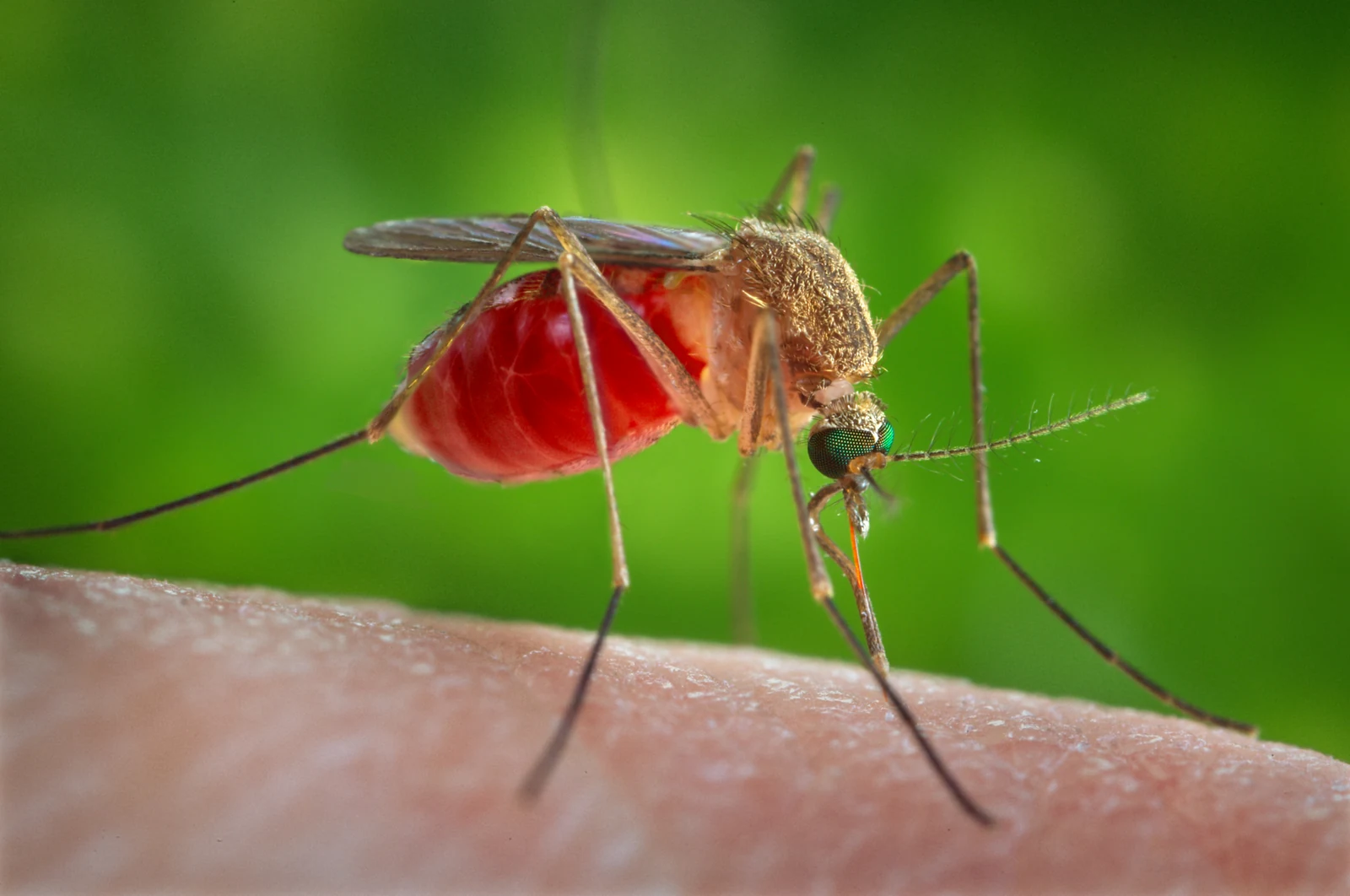
The two mosquitoes doing most of the biting in Mobile
Most of the bites on a Mobile porch in summer come from two groups:
- Container breeders (Aedes species, including the Asian tiger mosquito) — these lay eggs in small amounts of standing water: clogged gutters, saucers under potted plants, tarps, kiddie pools, boat covers, birdbaths, even bottle caps. They bite aggressively during the day, not just dusk and dawn.
- Floodwater and marsh mosquitoes (Culex and related species) — these take advantage of low-lying yards, ditches, and the brackish marsh edges around Mobile Bay, Dog River, and the creek systems that thread through the area. They’re more active at dusk and after dark.
Because Mobile has both container-breeding neighborhoods (older housing stock with lots of yard clutter) and marsh-adjacent low ground, most properties are dealing with some mix of both.
Why humidity and heat make it worse here specifically
Mobile’s summer dew points regularly sit in the low-to-mid 70s, and that moisture doesn’t just make the air feel heavy — it slows evaporation, which means small pockets of standing water stick around days longer than they would in a drier climate. A gutter clog that would dry out in an afternoon in a dry inland city can hold water for the better part of a week here. That extra time is exactly what a mosquito life cycle needs.
Where is the water actually hiding?
When homeowners walk their own yard looking for “standing water,” they usually check the obvious spots and miss the ones that matter most. Common overlooked sources around Mobile properties:
- Gutters with pine straw or leaf buildup that pool water on flat sections
- Tarps over boats, grills, or firewood that sag in the middle
- Corrugated drainage extensions running off downspouts that hold water along their ridges
- Bromeliads and other cupped plants that collect rain in their center
- Unused kiddie pools, wheelbarrows, or overturned trash can lids
- Low spots in St. Augustine lawns that stay soggy after a storm rolls through
Emptying and scrubbing these sources every few days — not just when they look full — is one of the few mosquito controls a homeowner can fully handle without outside help, since it’s the container-breeding species you can starve out yourself.
What a licensed operator typically does that a homeowner can’t
Yard-level source reduction only goes so far when the pressure is coming from marsh edges, a neighbor’s untended lot, or a retention area nobody’s draining. That’s where a licensed pest control operator’s barrier treatments and larvicide options come in — targeted product placed in vegetation and standing water that a homeowner generally doesn’t have access to. If you’ve already knocked out the obvious container sources and mosquitoes are still bad by early evening, that’s usually the sign it’s worth getting a local operator out to look at the bigger picture.
The Mobile County Health Department’s vector control program also tracks mosquito-borne illness activity locally and is worth knowing about if you want area-wide context beyond your own yard.
Signs it’s past the DIY stage
- You can’t sit on the porch at dusk without repellent, even after clearing visible standing water
- Bites are happening mid-afternoon in shaded areas, not just at dusk
- A neighbor’s pool, ditch, or vacant lot is a known problem source you can’t control yourself
- You’re seeing swarms near AC units, crawl space vents, or dense landscaping
FAQ
Do I need to worry about mosquito-borne illness in Mobile?
Local vector control tracks activity for West Nile virus and similar illnesses seasonally. Reducing standing water on your own property is the single biggest thing a homeowner can do to lower personal risk.
How long after rain do mosquitoes get worse?
Container breeders can complete their life cycle in about a week under Mobile’s summer conditions, so a noticeable jump in biting pressure roughly seven to ten days after a heavy rain event is common.
Does yard spraying at the hardware store actually help?
Over-the-counter yard sprays knock down visible adults temporarily but don’t address breeding sites or reach dense vegetation and marsh-adjacent areas the way a licensed operator’s equipment can.
One call reaches a licensed, local exterminator who covers your address — and a real person answers, 24/7.