House cricket control in Mobile, AL — when July chirping turns into an indoor problem.
Loud chirping in the garage at 2 a.m., a chewed sweater in the laundry basket, crickets jumping out from behind boxes in storage — house crickets peak hard in Mobile’s July and August heat. This free 24/7 referral line connects you with an independent pest control operator who treats the entry points and the population, not just the noise. They inspect, they quote, they treat. You decide.
Crickets chirping inside all night?
Call, enter your 5-digit ZIP on the keypad, and get connected live with a local pest control company. Free to call, 24/7.
Why July and August are peak house cricket season in Mobile
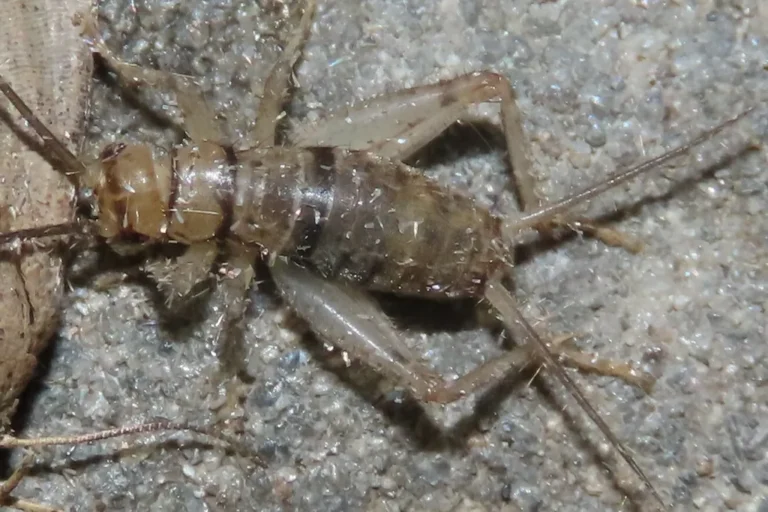
The house cricket (Acheta domesticus) is a light yellowish-brown insect with long antennae and powerful hind legs, known mostly for the loud, rhythmic chirp males produce by rubbing their wings together to attract mates. In most of the country that chirping stays outdoors. In Mobile, the combination of high summer heat, high humidity, and abundant outdoor lighting pulls house crickets toward structures in numbers that make late July and August the loudest — and most complained-about — stretch of the year. For more on this, see our article on wolf spider.
Three local patterns explain why the problem concentrates here:
- Porch lights and garage door lights act as a magnet on humid summer nights, drawing crickets toward the house from surrounding lawns and landscaping, then leaving them clustered right at the entry points once they arrive.
- Garages and laundry rooms are the most common indoor harborage — dark, quiet, close to a door, and often holding cardboard or fabric the crickets will feed on if the population goes unchecked.
- Extended warm-season length. Mobile’s mild spring and long, hot summer give house crickets a longer breeding window than most of Alabama, which is why the population peak here runs later and larger.
House crickets don’t bite, sting, or spread disease. Left alone in small numbers outdoors, they’re a normal part of a Gulf Coast summer soundtrack. The problem is the volume: an unmanaged population can chew through natural fibers — wool, cotton, silk — stored in boxes, closets, and laundry rooms, and a garage full of them chirping at 2 a.m. is its own kind of misery.
Finding chewed fabric in storage? That’s a house cricket signature — they’re drawn to natural fibers with any trace of food residue or sweat. Bag the affected items separately and note where you’re hearing the chirping loudest, then call (888) 295-0220; the operator treats the harborage, not just the noise.
What a thorough house cricket inspection covers
Garage door seals & thresholds
The most common Mobile entry point — worn weatherstripping and gaps under garage doors let crickets follow the light source straight indoors at night.
Laundry rooms & storage
Dark, quiet spaces near an entry point, often holding the exact fabric and cardboard house crickets feed on once inside.
Exterior lighting audit
Since lights are the draw, the operator may flag fixture placement or bulb type changes that reduce how many crickets approach the structure in the first place.
The Mobile house cricket calendar
When the chirping starts, peaks, and fades.
| Season | What drives house cricket activity in Mobile |
|---|---|
| Apr–Jun | Populations build as temperatures rise; early evening chirping starts around porch lights and landscaping. |
| Jul–Aug | Peak season — Mobile’s hottest, most humid stretch draws the largest numbers toward garages, entryways, and lit exteriors. |
| Sep–Oct | Activity remains elevated into early fall thanks to Mobile’s extended warm season, tapering as nights cool. |
| Nov–Mar | Largely dormant; occasional indoor activity from crickets that established harborage before the cold snap. |
Crickets taking over the garage?
Call, enter your 5-digit ZIP on the keypad, and get connected live with a local pest control company. Free to call, 24/7.
What should you ask the operator?
- “Where are they getting in?” A real inspection identifies the entry point — usually a garage door gap or threshold — not just the room where you hear them.
- “What’s your ADAI license number?” Confirm it with Montgomery’s Pesticide Management Section.
- “Should I change my exterior lighting?” Since light draws crickets toward the house, ask whether fixture changes are part of the recommendation.
- “Is my stored fabric at risk?” Ask how to protect natural-fiber items in garages and closets during peak season.
- “Will this hold through August?” Since Mobile’s peak runs long, ask whether a single treatment covers the full season or whether a follow-up is built in.
House cricket control in Mobile — what do homeowners ask?
Are you a pest control company?
No — Mobile Alabama Exterminators is a free referral line. We connect Mobile and Baldwin County homeowners with independent operators who perform every inspection and treatment.
Do house crickets bite or sting?
No. House crickets don’t bite, sting, or spread disease. The main complaints are the chirping noise and fabric damage from an unmanaged population.
Why is July the worst month?
Mobile’s peak heat and humidity in July and August align with house cricket breeding activity, and porch and garage lighting pulls larger numbers toward homes during this stretch than any other time of year.
Will crickets ruin my clothes?
An established indoor population can chew through natural fibers like wool, cotton, and silk, especially items stored in garages or closets. Synthetic fabrics are generally safe.
How much does house cricket control cost in Mobile?
Pricing is set by the independent operator after inspection and depends on the property and entry points found. The call is free.
Will changing my porch light help?
It can reduce how many crickets are drawn toward the house, but it usually isn’t enough on its own during Mobile’s peak season — pairing it with a professional treatment plan gets better results. For more on this, see our article on why house crickets peak in July.
Do the operators serve my neighborhood?
Yes. Call (888) 295-0220 and enter your ZIP, and you’re connected live with an independent local pest control company that serves your address. The line is open 24/7.
Check the company before treatment starts
In Alabama, companies that do structural pest control, including household pest, termite and fumigation work, must hold a Professional Services license from the Alabama Department of Agriculture and Industries (ADAI). Ask for the company’s license and the name of its certified operator, and check with the ADAI Professional Services program before work starts.
Get the treatment plan, the products to be used, any follow-up visits and the price in writing. For termite work, ask what the contract covers, whether it’s retreatment only or includes repair of damage, and how long it lasts.
How the call works
- Call (888) 295-0220. Any time, day or night.
- Enter your 5-digit ZIP code on your phone’s keypad when prompted.
- Get connected live with a local pest control company that serves your ZIP. Describe what happened and ask when they can come out and what the job will cost.
Mobile Alabama Exterminators is a free referral line that connects callers with independent local pest control companies. We don’t perform the work. The company you’re connected with gives the quote, does the work and stands behind it.