House cricket control in Mobile, AL — when July chirping turns into an indoor problem.
Loud chirping in the garage at 2 a.m., a chewed sweater in the laundry basket, crickets jumping out from behind boxes in storage — house crickets peak hard in Mobile’s July and August heat. This free 24/7 dispatch line connects you with an independent, ADAI-licensed pest control operator who treats the entry points and the population, not just the noise. They inspect, they quote, they treat. You decide.
Free to check coverage. ADAI-licensed operators serving Mobile & Baldwin County, AL.
Free call, free match — the operator gives the quote. Availability varies by schedule.
Check your ZIP first
Enter your Mobile-area ZIP to confirm coverage, then get connected.
Free to use · No obligation to hire anyone
24/7 dispatch line — real people answer
Free call — the operator gives the quote
Mobile & Baldwin County coverage
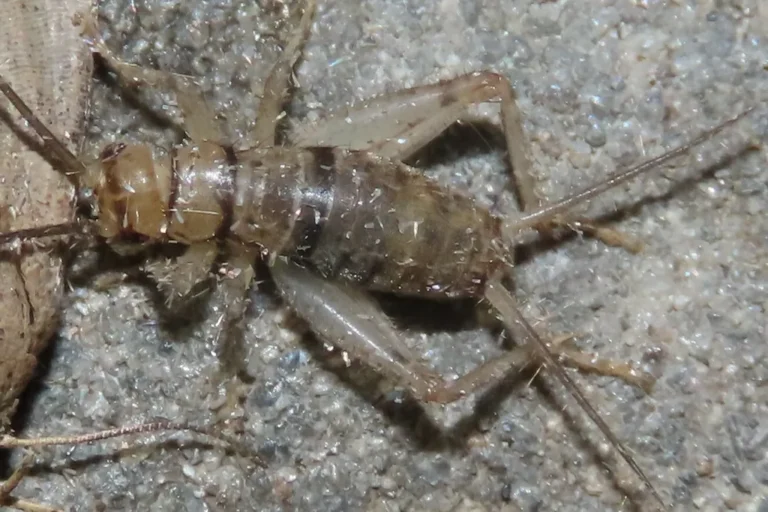
Why July and August are peak house cricket season in Mobile
The house cricket (Acheta domesticus) is a light yellowish-brown insect with long antennae and powerful hind legs, best known for the loud, rhythmic chirp males produce by rubbing their wings together to attract mates. In most of the country that chirping stays outdoors. In Mobile, the combination of high summer heat, high humidity, and abundant outdoor lighting pulls house crickets toward structures in numbers that make late July and August the loudest — and most complained-about — stretch of the year.
Three local patterns explain why the problem concentrates here:
- Porch lights and garage door lights act as a magnet on humid summer nights, drawing crickets toward the house from surrounding lawns and landscaping, then leaving them clustered right at the entry points once they arrive.
- Garages and laundry rooms are the most common indoor harborage — dark, quiet, close to a door, and often holding cardboard or fabric the crickets will feed on if the population goes unchecked.
- Extended warm-season length. Mobile’s mild spring and long, hot summer give house crickets a longer breeding window than most of Alabama, which is why the population peak here runs later and larger.
House crickets don’t bite, sting, or spread disease. Left alone in small numbers outdoors, they’re a normal part of a Gulf Coast summer soundtrack. The problem is the volume: an unmanaged population can chew through natural fibers — wool, cotton, silk — stored in boxes, closets, and laundry rooms, and a garage full of them chirping at 2 a.m. is its own kind of misery.
Finding chewed fabric in storage? That’s a house cricket signature — they’re drawn to natural fibers with any trace of food residue or sweat. Bag the affected items separately and note where you’re hearing the chirping loudest, then get connected below; the operator treats the harborage, not just the noise.
How does the dispatch line work?
Total transparency: we answer phones and match. Licensed operators do the work.
You reach out, we listen
Tell us your address and where the chirping or activity is loudest — garage, laundry room, storage closet. Takes about a minute, no cost, no obligation.
We match you locally
Mobile Alabama Exterminators is a dispatch and referral service, not a pest control company. Your call routes to an independent ADAI-licensed operator covering your neighborhood.
The operator takes over
The licensed operator inspects the property, finds the entry points and harborage, and gives you their own quote. Verify their ADAI license first at (334) 240-7240.
What a thorough house cricket inspection covers
Garage door seals & thresholds
The most common Mobile entry point — worn weatherstripping and gaps under garage doors let crickets follow the light source straight indoors at night.
Laundry rooms & storage
Dark, quiet spaces near an entry point, often holding the exact fabric and cardboard house crickets feed on once inside.
Exterior lighting audit
Since lights are the draw, the operator may flag fixture placement or bulb type changes that reduce how many crickets approach the structure in the first place.
The Mobile house cricket calendar
When the chirping starts, peaks, and fades.
| Season | What drives house cricket activity in Mobile |
|---|---|
| Apr–Jun | Populations build as temperatures rise; early evening chirping starts around porch lights and landscaping. |
| Jul–Aug | Peak season — Mobile’s hottest, most humid stretch draws the largest numbers toward garages, entryways, and lit exteriors. |
| Sep–Oct | Activity remains elevated into early fall thanks to Mobile’s extended warm season, tapering as nights cool. |
| Nov–Mar | Largely dormant; occasional indoor activity from crickets that established harborage before the cold snap. |
What should you ask the operator?
- “Where are they getting in?” A real inspection identifies the entry point — usually a garage door gap or threshold — not just the room where you hear them.
- “What’s your ADAI license number?” Confirm it with Montgomery’s Pesticide Management Section at (334) 240-7240.
- “Should I change my exterior lighting?” Since light draws crickets toward the house, ask whether fixture changes are part of the recommendation.
- “Is my stored fabric at risk?” Ask how to protect natural-fiber items in garages and closets during peak season.
- “Will this hold through August?” Since Mobile’s peak runs long, ask whether a single treatment covers the full season or whether a follow-up is built in.
House cricket control in Mobile — what do homeowners ask?
Are you a pest control company?
No — Mobile Alabama Exterminators is a free dispatch and referral service. We connect Mobile and Baldwin County homeowners with independent, ADAI-licensed operators who perform every inspection and treatment.
Do house crickets bite or sting?
No. House crickets don’t bite, sting, or spread disease. The main complaints are the chirping noise and fabric damage from an unmanaged population.
Why is July the worst month?
Mobile’s peak heat and humidity in July and August align with house cricket breeding activity, and porch and garage lighting pulls larger numbers toward homes during this stretch than any other time of year.
Will crickets ruin my clothes?
An established indoor population can chew through natural fibers like wool, cotton, and silk, especially items stored in garages or closets. Synthetic fabrics are generally safe.
How much does house cricket control cost in Mobile?
Pricing is set by the independent operator after inspection and depends on the property and entry points found. The call and the match are free.
Will changing my porch light help?
It can reduce how many crickets are drawn toward the house, but it usually isn’t enough on its own during Mobile’s peak season — pairing it with a licensed treatment plan gets better results.
Do the operators serve my neighborhood?
One call reaches a licensed, local exterminator who covers your address — and a real person answers, 24/7.
Garage chirping keeping you up? Get it inspected.
Free to get matched, no obligation to hire. The licensed operator inspects and gives the quote.
Free to check coverage. ADAI-licensed operators serving Mobile & Baldwin County, AL.
Prefer to send details first? Use the contact form →