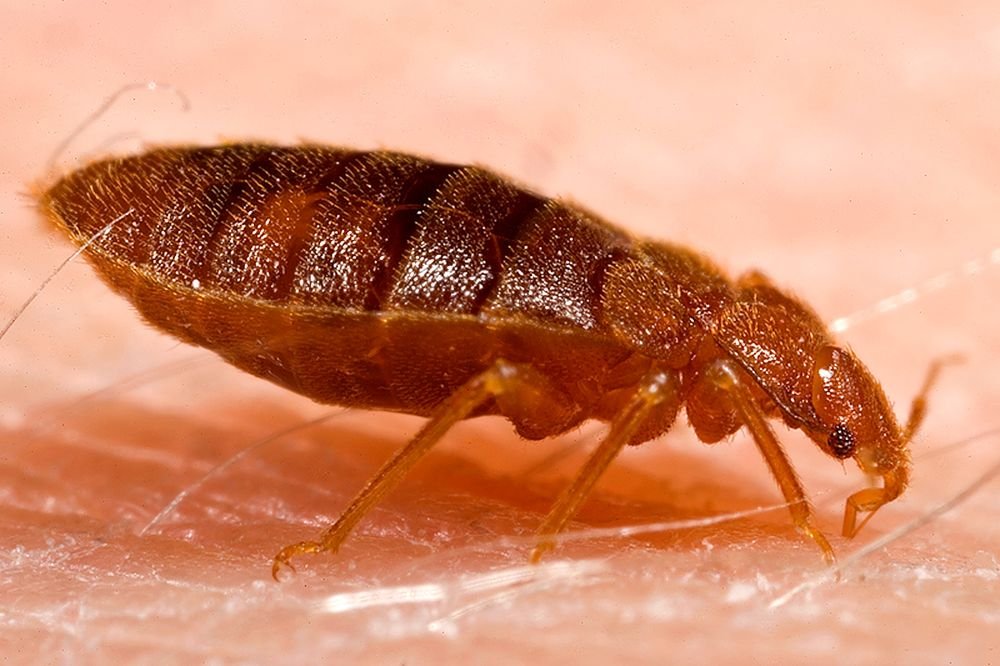
Bed bug call volume in Mobile measurably climbs in the 2–4 weeks after Mardi Gras every year. Hotel managers and pest control schedulers expect it; most Airbnb hosts and parade-route rental owners don’t. Here’s what’s driving the spike and what hosts can do to stay clean.
The Pattern
Mobile is the birthplace of American Mardi Gras (predating New Orleans by 12 years). Carnival season runs roughly from Twelfth Night (early January) through Fat Tuesday, with the heaviest visiting krewes and out-of-town traffic in the final two weeks. By early–mid March, residential parade-route rentals, downtown hotels, and short-term rental properties see a noticeable bed bug call spike.
The mechanism is straightforward — bed bugs are hitchhikers, not flyers. Every krewe member, marching band parent, and visiting reveler has a suitcase. Every suitcase visited at least one hotel or rental somewhere else first. A small percentage of those carry eggs or adults home, which then take 2–6 weeks to establish a noticeable population. The result: peak call volume mid-March through mid-April.
What Hosts Should Do — Prep
For Airbnb/VRBO hosts and parade-route rental owners, the strongest lever is preventive heat treatment or inspection BEFORE the season starts, not chasing infestations after. Practical actions:
- Encase mattresses and box springs in bed bug-rated covers. Modest cost per bed. Makes inspection far faster and stops eggs from establishing in seams.
- Pre-Mardi Gras inspection. A licensed Mobile-area technician can K9 or visually inspect a rental in 30–60 minutes; cost depends on property size and inspection method. Ideal timing: 1–2 weeks before peak season.
- Keep turnover linens hot. Wash all bedding at 120°F+ and dry at high heat between guests. This kills any hitchhiker eggs that landed.
- Reduce harborage at the headboards. Tighten or replace cracked headboards. Pull beds 6+ inches from walls during inspection rounds.
What Hosts Should Do — Response
If you do find evidence (live bugs, fecal spotting, blood specks on sheets, or guest complaints):
- Pull the listing immediately. Don’t take the next booking until you have a clean confirmation.
- Whole-room heat is faster than chemical. A single room can typically be heat-treated and returned to service in one day. Chemical takes 2–3 visits over 4–6 weeks — too long for a working rental.
- Treat adjacent rooms. Bed bugs move horizontally — adjacent walls and shared HVAC can spread within days.
- Document for refunds. A licensed exterminator’s report is the only thing Airbnb/VRBO will accept for guest refund disputes.
Mardi Gras-Specific Pricing Watch
Demand spikes in early–mid March push rates up on top of normal pricing. If you have a known event window (you host a krewe annually), schedule a pre-season treatment in January or early February when rates are normal.
See:
- Mardi Gras Bed Bug Prevention in Mobile, AL — full prep guide
- Bed Bug Treatment in Mobile, AL — Complete Guide — the pillar
- Heat vs Chemical Bed Bug Treatment — which method
- Bed Bug Extermination Cost in Mobile, AL — pricing
- Hotel & Short-Term Rental Pest Control — for property managers
Lining up treatment
If the spike catches you with an active listing, a licensed Mobile-area technician can confirm the infestation, scope a single-room heat treatment, and get the unit back in rotation. Lining it up early — before the mid-March peak — keeps both the downtime and the cost contained.
Bed bug call volume in Mobile measurably climbs in the 2–4 weeks after Mardi Gras every year. Hotel managers and pest control schedulers expect it; most Airbnb hosts and parade-route rental owners don’t. Here’s what’s driving the spike and what hosts can do to stay clean.
The Pattern
Mobile is the birthplace of American Mardi Gras (predating New Orleans by 12 years). Carnival season runs roughly from Twelfth Night (early January) through Fat Tuesday, with the heaviest visiting krewes and out-of-town traffic in the final two weeks. By early–mid March, residential parade-route rentals, downtown hotels, and short-term rental properties see a noticeable bed bug call spike.
The mechanism is straightforward — bed bugs are hitchhikers, not flyers. Every krewe member, marching band parent, and visiting reveler has a suitcase. Every suitcase visited at least one hotel or rental somewhere else first. A small percentage of those carry eggs or adults home, which then take 2–6 weeks to establish a noticeable population. The result: peak call volume mid-March through mid-April.
What Hosts Should Do — Prep
For Airbnb/VRBO hosts and parade-route rental owners, the strongest lever is preventive heat treatment or inspection BEFORE the season starts, not chasing infestations after. Practical actions:
- Encase mattresses and box springs in bed bug-rated covers. Modest cost per bed. Makes inspection far faster and stops eggs from establishing in seams.
- Pre-Mardi Gras inspection. A licensed Mobile-area technician can K9 or visually inspect a rental in 30–60 minutes; cost depends on property size and inspection method. Ideal timing: 1–2 weeks before peak season.
- Keep turnover linens hot. Wash all bedding at 120°F+ and dry at high heat between guests. This kills any hitchhiker eggs that landed.
- Reduce harborage at the headboards. Tighten or replace cracked headboards. Pull beds 6+ inches from walls during inspection rounds.
What Hosts Should Do — Response
If you do find evidence (live bugs, fecal spotting, blood specks on sheets, or guest complaints):
- Pull the listing immediately. Don’t take the next booking until you have a clean confirmation.
- Whole-room heat is faster than chemical. A single room can typically be heat-treated and returned to service in one day. Chemical takes 2–3 visits over 4–6 weeks — too long for a working rental.
- Treat adjacent rooms. Bed bugs move horizontally — adjacent walls and shared HVAC can spread within days.
- Document for refunds. A licensed exterminator’s report is the only thing Airbnb/VRBO will accept for guest refund disputes.
Mardi Gras-Specific Pricing Watch
Demand spikes in early–mid March push rates up on top of normal pricing. If you have a known event window (you host a krewe annually), schedule a pre-season treatment in January or early February when rates are normal.
See:
- Mardi Gras Bed Bug Prevention in Mobile, AL — full prep guide
- Bed Bug Treatment in Mobile, AL — Complete Guide — the pillar
- Heat vs Chemical Bed Bug Treatment — which method
- Bed Bug Extermination Cost in Mobile, AL — pricing
- Hotel & Short-Term Rental Pest Control — for property managers
Lining up treatment
If the spike catches you with an active listing, a licensed Mobile-area technician can confirm the infestation, scope a single-room heat treatment, and get the unit back in rotation. Lining it up early — before the mid-March peak — keeps both the downtime and the cost contained.