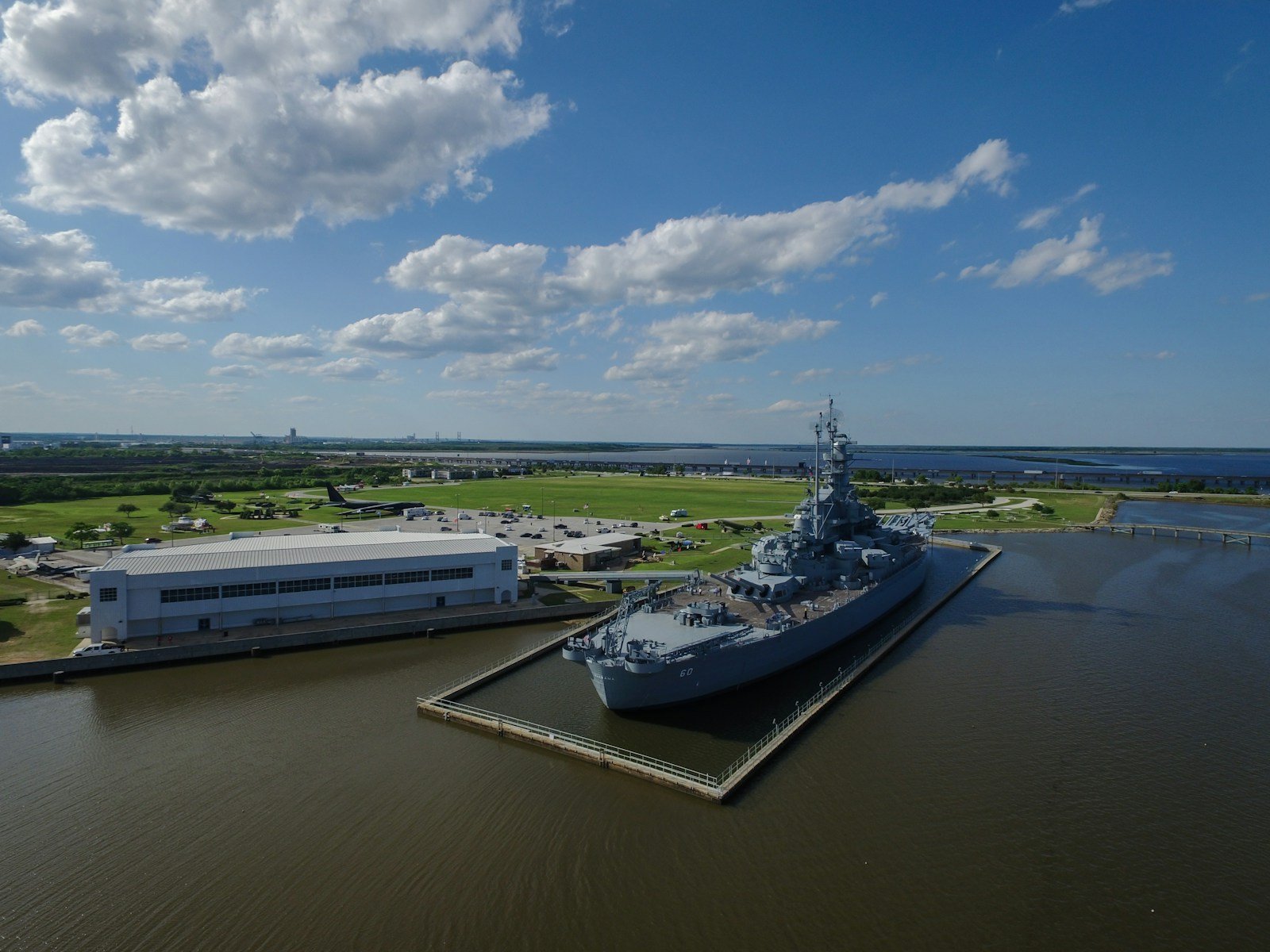
Port of Mobile hitchhiker pests are part of why the Mobile and Baldwin County coastline carries a heavier and more diverse pest pressure than most U.S. inland markets. The Port of Mobile is the country’s ninth-largest tonnage port and one of its busiest break-bulk terminals — and that constant flow of timber, container, and bulk cargo has, over the last 40 years, served as the documented introduction route for several of the area’s most consequential species. This guide walks through which pests reached coastal Alabama through the port, how they spread inland, and what a licensed inspection covers in a typical Mobile-area home.
Dealing with a pest problem right now?
📞 Call now — get matched with a licensed local exterminator: (888) 295-0220When you call, stay on the line for a few seconds while we match you with the licensed local exterminator for your area. Have your address and a quick description of the problem ready.
Licensed local pros · Fast response, subject to availability · No obligation
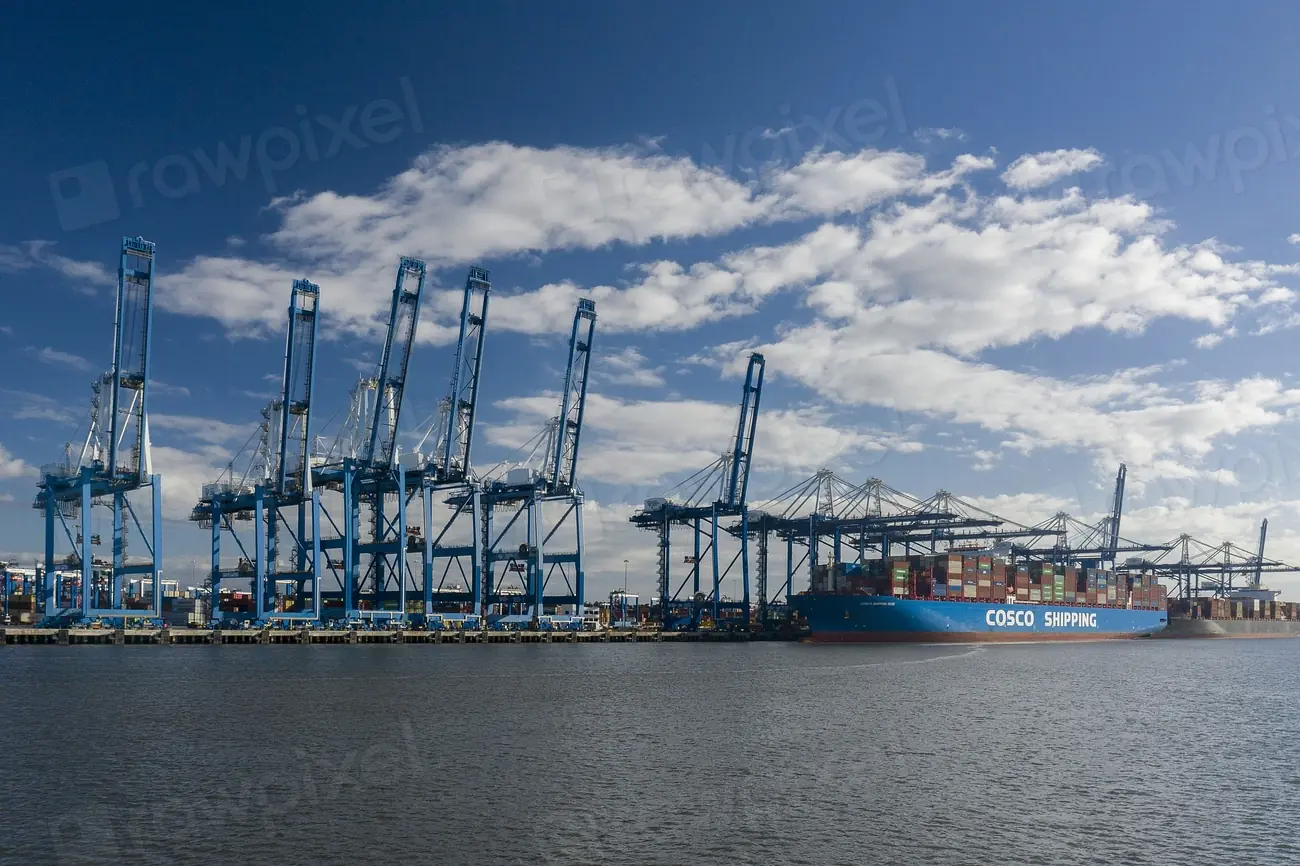
The Port as an Introduction Route, Historically
Three Mobile-area introductions are particularly well documented in the entomology literature:
- Formosan subterranean termite (Coptotermes formosanus) — documented first U.S. Gulf Coast establishment at the Port of Mobile in 1985, likely arriving in shipping pallets from East Asia after WWII. The species was subsequently identified in Fairhope in 2003 and is now widely established across Mobile and Baldwin County.
- Red imported fire ant (Solenopsis invicta) — established in Mobile in the 1930s through soil and ballast from cargo ships from South America. Mobile remains, in the species’ U.S. range history, the site of original establishment.
- Roof rat (Rattus rattus) — port-city rodent, long established but with continuing reintroduction pressure from break-bulk cargo. Coastal Alabama populations cluster around port-adjacent neighborhoods and the canopy corridors east toward Spring Hill.
That history is the reason licensed inspectors in Mobile pay particular attention to species that wouldn’t dominate the discussion in, say, central Alabama. Cargo staging areas and old warehouse timber are also a documented harborage for brown recluse spiders in this region — our brown recluse vs. wolf spider ID guide covers how to tell a medically significant recluse population from a harmless wolf spider sighting.
How Does Cargo Pressure Continue to Affect Residential Homes?
Most port-driven introductions don’t reach homes directly from a container. The pathway is usually:
- Cargo arrives at a port terminal or warehouse facility
- Goods are broken down for distribution, sometimes sitting in staging for days or weeks
- Pests establish in adjacent warehouse, rail-yard, or transportation infrastructure
- Subsequent generations radiate outward through irrigation lines, landscaping shipments, mulch, and pallet wood — sometimes faster via plant nursery and retail garden-center traffic
For homeowners in port-adjacent neighborhoods, that means the relevant question isn’t “did a Formosan colony walk from a container into my yard” but rather “what is the baseline pressure in my zip code.” The answer in much of Mobile is: higher than the U.S. average, and that justifies a different inspection cadence.
What a Licensed Inspection Covers in Port-Adjacent Neighborhoods
A residential inspection in neighborhoods like Old Dauphin Way, Midtown, and Spring Hill — or commercial inspections at warehouse and restaurant facilities — typically includes:
- WDO inspection (subterranean and drywood termites): mud-tube survey, soldier ID, and identification of any carton-nest evidence in attics or wall voids.
- Rodent survey: roof-rat-specific evidence (smudge marks along beams, droppings under attic insulation, gnawed citrus, palm fronds near roofline).
- Fire ant mound mapping: exterior survey of yard, foundation perimeter, and any sand or soil delivery areas, with treatment recommendations following state-labeled product use.
These species-specific checks are usually folded into a broader walkthrough; see our general pest inspection guide for what a standard visit covers room by room, beyond the port-specific species called out above.
What Homeowners Can Do Between Visits
A few practices materially reduce hitchhiker-pest exposure in port-area Mobile homes:
- Inspect delivered pallets, planters, and landscaping shipments before installing — especially mulch and large nursery stock from out-of-state suppliers
- Keep tree limbs trimmed back from the roofline (a common roof-rat highway in coastal canopies)
- Maintain wood-to-soil clearance per ANSI/IRC residential standards: at least 6 inches between soil and any structural wood
- Sanitize and seal stored goods — especially in garages, attics, and any building used for episodic storage
Get Matched With a Licensed Exterminator
One call reaches a licensed, local exterminator who covers your address — and a real person answers, 24/7.
Frequently Asked Questions
Are port-driven pest introductions still happening today?
Yes — though USDA and Alabama Department of Agriculture and Industries inspection protocols have tightened significantly since the mid-20th century. Most contemporary risk is from re-establishment and spread of already-introduced species rather than novel arrivals.
Does the port itself spray to control pest spread?
Port and terminal operators run their own pest control programs and coordinate with USDA APHIS on quarantine-significant species. Residential implications still need a property-by-property approach.
How often should homes near the port be inspected?
Annual WDO inspections are standard across Mobile generally. Port-adjacent properties — especially older homes with crawl spaces — often benefit from twice-yearly visual inspections.
Are Formosan termites still spreading inland from Mobile?
Yes. Documented Formosan presence has moved progressively east into Baldwin County and inland along major transportation corridors over the past two decades.
Can I tell whether my fire-ant mound is Solenopsis invicta vs. a native species?
Mound size, shape, and aggressive defensive response are usable field cues. A licensed technician can confirm species with a simple disturbance test.
Mobile Alabama Exterminators is a 24/7 dispatch and matching service. We connect Mobile and Baldwin County callers with licensed, insured Alabama pest control exterminators. We are not a licensed pest control company and do not inspect, treat, or warranty pest control work.