Mosquito control in Montgomery, AL — one call to a licensed operator.
From the Alabama River backwaters and Catoma Creek lowlands to plant saucers and gutters in the Garden District, our 24/7 dispatch line matches Montgomery households with an independent, ADAI-licensed mosquito operator who works the River Region every week. You call, we match, the licensed operator inspects and quotes.
One call, and you’re matched
Tell the dispatcher what you’re seeing — mosquitoes rising after a summer storm near the river, biting around a shaded Cloverdale porch, breeding in a birdbath or gutter — and get matched with a licensed operator who covers Montgomery.
☎ Call (888) 295-0220 (888) 295-0220 — answered 24/7Free call · No obligation to hire anyone · The licensed local exterminator you’re matched with inspects and sets the price
Mobile Alabama Exterminators is a free 24/7 dispatch and referral line. Call (888) 295-0220, describe your Montgomery mosquito problem, and we match you with an independent exterminator licensed by the Alabama Department of Agriculture & Industries who covers your street. The licensed operator — not us — inspects your property, sets the price, and does the work. Calling costs nothing and you’re never obligated to hire anyone.
Why does Montgomery see two different mosquito problems at once?
Montgomery’s mosquito season runs roughly April through October, and the River Region’s geography splits the pressure into two distinct patterns that call for different fixes. The Alabama River’s backwaters and oxbows, along with the low-lying stretches around Catoma Creek, hold standing water long after a storm passes. Floodwater mosquito species take advantage of that — their eggs can sit dry in low ground for long stretches and hatch en masse once summer rain floods the area, producing a sudden spike in biting pressure within days of a heavy storm.
Downtown, a quieter but more persistent problem runs through the storm-drain system. Culex mosquitoes breed in the standing water that collects in catch basins and drainage structures across the older commercial blocks, and they stay active on warm evenings well into fall. Culex species are worth taking seriously beyond the nuisance factor — they are a recognized West Nile virus vector, and the River Region has recorded positive mosquito samples in past years, which is part of why storm-drain breeding downtown gets treated as more than a comfort issue.
In the Garden District and other tree-canopy neighborhoods, the mosquito problem is almost entirely different in character. Asian tiger mosquitoes are aggressive daytime biters that breed in small containers — plant saucers, clogged gutters, birdbaths, forgotten buckets, tarps that pool water — and Montgomery’s long, roughly seven-month summer keeps that breeding cycle running for most of the year. A property can look dry and still be hosting a productive Asian tiger mosquito population in a single neglected gutter or saucer.
Because floodwater, storm-drain, and container breeders behave so differently, an effective program usually combines more than one approach:
- Barrier treatments applied to vegetation and resting sites on a roughly 21 to 30-day cadence hold adult mosquito populations down through the long Montgomery season — a single spring application won’t carry through to October.
- Larvicide dunks placed in water features, low spots, and other sites that can’t simply be drained target the larval stage before mosquitoes ever become biting adults.
- Source reduction — emptying and inspecting the container breeding sites that collect around a typical Garden District yard — does more for daytime Asian tiger pressure than any spray, since new containers refill within days after a rain.
A property near the river or Catoma Creek lowlands tends to need a different mix than one shaded by oaks in the historic districts, which is why an operator’s first visit should include a real walk of the property rather than a single blanket treatment. Standing water that never fully drains after a storm, a low corner of the yard that stays soft into the following week, or a rain barrel without a screened lid all change the picture, and pointing them out up front saves a second trip.
Homeowners on Montgomery’s east side, farther from the river and creek lowlands, still deal with real pressure — it just tends to run more container-driven than floodwater-driven, which is why the same complaint of “bad mosquitoes” can call for two different programs depending on which side of the city a property sits on.
Mosquitoes bad in Montgomery right now? Be specific with the dispatcher — “a spike since the last storm near the river,” “biting all day on a shaded porch,” “breeding in a gutter or birdbath.” A specific report gets you matched with the right operator the first time.
☎ Call (888) 295-0220Free call · 24/7 · No obligation to hire — the licensed operator you’re matched with gives the quote
How does the mosquito dispatch line work in Montgomery?
Total transparency: we answer phones and match. Licensed operators do the work.
You call, we listen
Tap the number, day or night, and tell the dispatcher what you’re seeing in Montgomery — it takes about a minute, costs nothing, and you’re not committing to anything.
We match you locally
Mobile Alabama Exterminators is a dispatch and referral service, not a pest control company. We route your call to an independent operator licensed by the Alabama Department of Agriculture & Industries who covers Montgomery and the surrounding Montgomery County area.
The operator takes over
The licensed operator inspects your property, walks you through what they found, and gives you their own quote. Hiring them is entirely your decision — and you can verify their ADAI license first through the Pesticide Management Section in Montgomery at (334) 240-7240.
What else can you call the Montgomery line about?
The dispatch line routes five core problem types in Montgomery. Each links to a deeper guide on this site.
Pest control in Montgomery →
The main Montgomery hub page for every pest type the dispatch line covers, from termites and roaches to rodents and mosquitoes.
Why mosquito activity spikes after rain →
A closer look at how floodwater mosquito eggs hatch after summer storms — the same pattern driving post-storm spikes along the Alabama River.
Termite treatment →
Blackland clay cycles and an early River Region swarm season set Montgomery’s termite pressure apart from the rest of the state.
Rodent control →
Roof rats in the Garden District canopy and Norway rats behind downtown’s vacant blocks split Montgomery’s rodent pressure into two distinct patterns.
Pest library →
The full library of pest identification and prevention guides covering every species this dispatch line routes calls for.
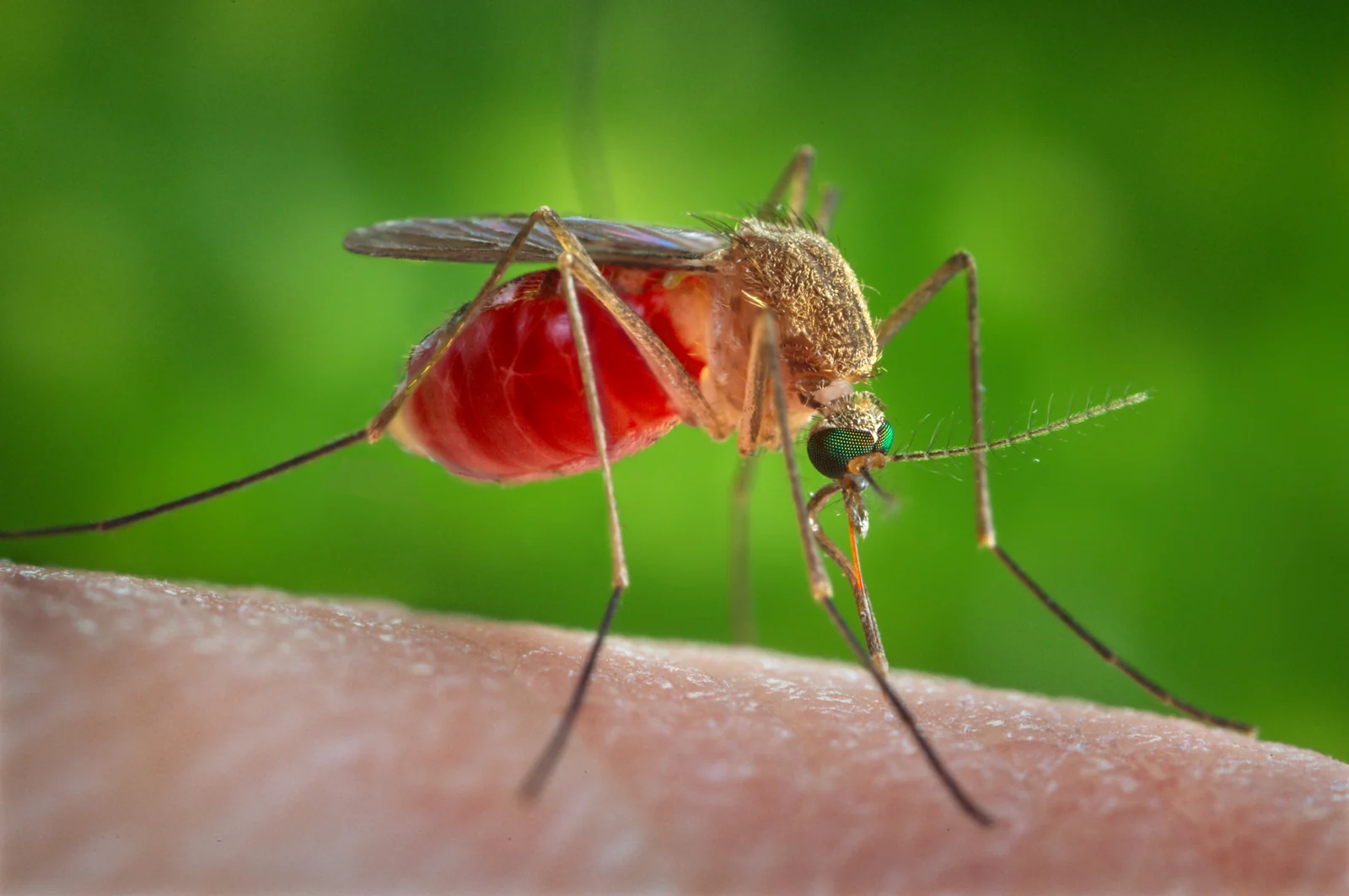
When is mosquito pressure worst in Montgomery?
Montgomery’s mosquito season runs April through October, driven by the river, the storm drains, and the long summer’s container breeding.
| Season | What shows up in Montgomery homes |
|---|---|
| Apr–May | Season ramps up early as the River Region warms — Asian tiger mosquitoes become active in Garden District container sites, and storm-drain Culex populations build downtown. |
| Jun–Aug | Peak season — floodwater species spike within days of heavy summer storms along the Alabama River and Catoma Creek lowlands; barrier treatments matter most on their 21–30 day cadence. |
| Sep–Oct | Culex activity continues in downtown storm drains into fall evenings; container breeding stays active as long as the heat holds. |
| Nov–Mar | Cooler weather slows activity sharply, though mild stretches can still support brief container breeding in unattended yards. |
Recognize your season? Tell the dispatcher what you’re seeing and where — floodwater, storm-drain, and container breeding all call for a different mix of treatment.
☎ Call (888) 295-0220Free call · 24/7 · No obligation to hire — the licensed operator you’re matched with gives the quote
What should you ask the operator you’re matched with?
Asking these on the first visit gets you a better outcome — and a fairer quote.
- “Will you use barrier treatments, larvicide, or both?” Barrier treatment on vegetation knocks down adult mosquitoes; larvicide dunks target the larval stage in water that can’t be drained. Montgomery’s mix of river, storm-drain, and container breeding usually calls for both.
- “What’s your treatment cadence through the season?” A single spring application won’t carry through Montgomery’s roughly seven-month season. Ask specifically about the barrier-treatment interval — 21 to 30 days is standard.
- “Will you walk the property for container breeding sites?” Asian tiger mosquitoes breed in small containers — saucers, gutters, birdbaths — that a quick drive-by inspection can miss. A real walk of the yard finds what a spray alone won’t fix.
- “Is my property near the river or a low spot at higher floodwater risk?” Proximity to the Alabama River backwaters or Catoma Creek lowlands can mean a sharper post-storm spike. Ask whether that changes the recommended program.
- “What’s your ADAI license number?” Every legitimate Alabama operator carries one, and the Pesticide Management Section in Montgomery can confirm it. A pro expects the question.
None of these questions slow a good operator down. The ones who work Montgomery’s river corridor and canopy neighborhoods every week answer them without blinking.
Mosquito control in Montgomery — what do homeowners ask?
Are you a pest control company in Montgomery?
No — Mobile Alabama Exterminators is a free dispatch and referral service. We connect Montgomery homeowners and businesses with independent, ADAI-licensed pest control operators who perform mosquito inspections and treatments. We never do the work ourselves, and we encourage you to verify any operator’s license before hiring.
How much does mosquito control cost in Montgomery?
The price is set by the independent operator after they’ve inspected — it depends on the property size, the breeding sources found, and the treatment cadence needed. The call and the match are free.
Why do mosquitoes spike right after a summer storm near the river?
Floodwater mosquito eggs can sit dry in low ground around the Alabama River backwaters and Catoma Creek lowlands for long stretches, then hatch all at once when rain floods the area. That’s why activity can jump sharply within days of a storm.
Are the mosquitoes downtown dangerous, or just annoying?
Culex mosquitoes breeding in downtown storm drains are worth taking seriously — they are a recognized West Nile virus vector, and the River Region has recorded positive samples in past years. It’s not just a comfort issue.
Why do I still have mosquitoes in the Garden District even though my yard looks dry?
Asian tiger mosquitoes breed in small amounts of standing water — a plant saucer, a clogged gutter, a birdbath — and Montgomery’s long summer keeps that cycle running for months. A single overlooked container can sustain a biting population.
Can I get someone after hours in Montgomery?
The dispatch line answers 24/7. Appointment timing is set by the independent operator and depends on their schedule and your location. The operator confirms timing with you directly.
Ready when you are — day or night.
Whether it’s a post-storm spike near the river or container breeding in a Garden District yard, one call matches you with a licensed operator who covers Montgomery.
☎ Call (888) 295-0220(888) 295-0220 — free call, 24/7. The licensed operator inspects and gives the quote.