Dealing with a pest problem right now?
📞 Call now — get matched with a licensed local exterminator: (888) 295-0220When you call, stay on the line for a few seconds while we match you with the licensed local exterminator for your area. Have your address and a quick description of the problem ready.
Licensed local pros · Fast response, subject to availability · No obligation
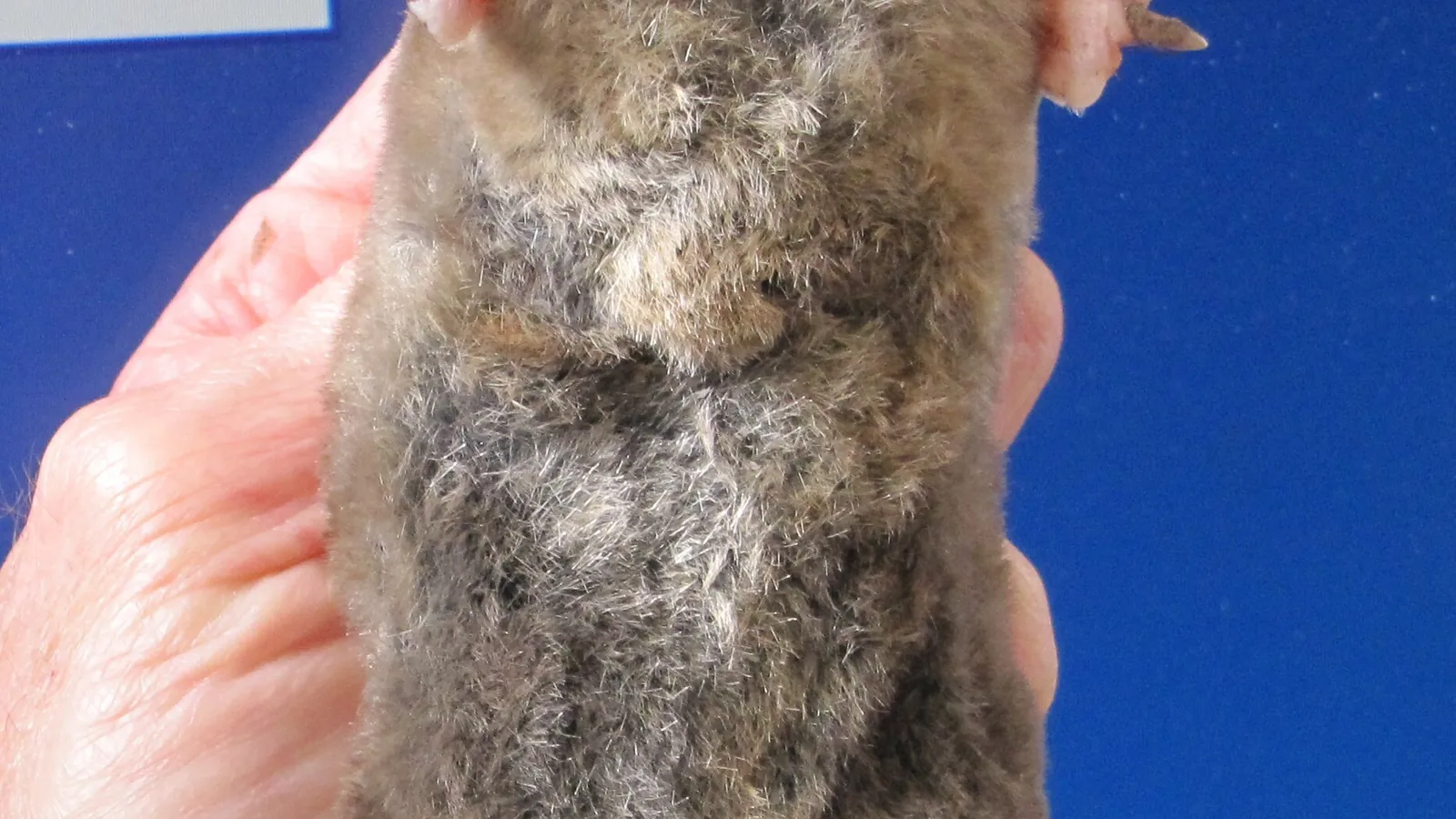
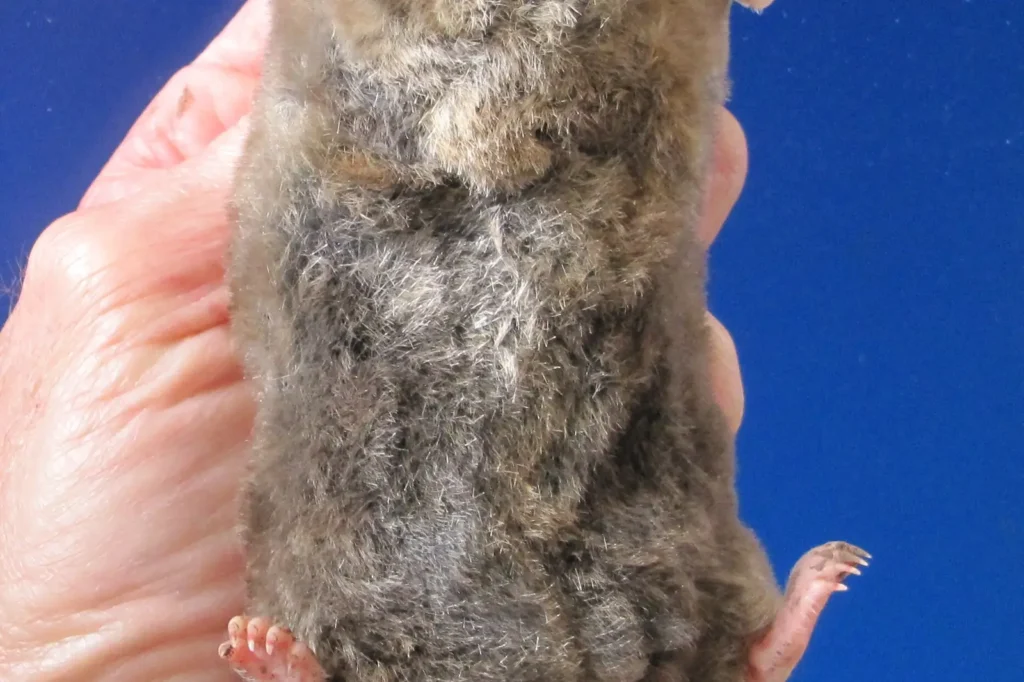
Ridges across the lawn overnight? That’s a mole — and Gulf Coast soil is why.
Raised, winding tunnels and volcano-shaped mounds mean a mole is hunting earthworms through your root zone. This is work for an ADCNR-permitted wildlife operator who traps and removes moles legally under Alabama’s nuisance-wildlife rules. The operator inspects, quotes, and does the work. You decide.
Free to check coverage — the operator gives the quote after inspecting.
Who actually does mole work
Mole trapping goes to a permitted wildlife operator — here’s how to route it.
Who actually does mole work in Alabama
Mole trapping is regulated nuisance-wildlife work — find a state-permitted operator on the ADCNR permitted nuisance wildlife control operator list.
Not sure it’s moles? Fresh crumbly mounds with no surface ridges are usually fire ants — and that one is dispatchable: fire ant control in Mobile, AL.
Free to use · No obligation to hire anyone
Note: this line is for mole trapping and lawn wildlife issues specifically. If your issue is ants, roaches, termites, rodents indoors, or other general household pests, use our main pest match instead.
24/7 dispatch — operator scheduling varies
Free to check coverage — the operator gives the quote
Trapping-first advice — no gimmick products
Reading the damage correctly
Mole, vole, or gopher? The yard tells you — and the treatment differs completely.
Mole (this page)
Raised ridges snaking across the lawn — surface feeding tunnels — plus occasional volcano-shaped mounds of fluffed soil. Grass over tunnels dies in lines. Moles are insectivores: they’re hunting earthworms and grubs, not eating your plants.
Vole
No raised ridges — instead, narrow surface runways clipped through grass, and gnawed bark at the base of shrubs. Voles are rodents that DO eat plants. Different animal, different control, and worth telling the operator which pattern you see.
Pocket gopher
Fan- or crescent-shaped mounds with a visible soil plug, no surface ridges. Less common in coastal Mobile lawns than moles, but present in sandier inland stretches. Also trapped, with different sets.
Why Mobile lawns are mole heaven
Moles go where the earthworms are, and the Gulf Coast is an earthworm factory: sandy-loam soil that’s easy to tunnel, rainfall that keeps the ground moist and prey near the surface, irrigated St. Augustine and centipede lawns in Spring Hill, West Mobile, and the Eastern Shore suburbs, and winters mild enough that the buffet never closes. A single mole works a surprisingly large territory — most “mole invasions” are one or two animals doing all of it.
Two honest correctives to what the lawn-care aisle will tell you:
- Grub treatments don’t evict moles. Grubs are a side dish; earthworms are the main course, and no one’s treating a lawn to kill earthworms. Killing grubs alone rarely moves a mole off good worm ground.
- Sonic stakes, chewing-gum tricks, and castor-oil miracles range from unproven to marginal. Castor-oil repellents can push activity around a small area temporarily; nothing in a box reliably removes the animal.
What actually works is trapping — correctly identifying the active runs (stepped-down tunnels that re-raise within a day are active), setting professional-grade traps in them, and checking on a schedule. That’s precisely the skill a licensed wildlife operator brings, and it’s why trapping is the industry answer while spray-style “mole treatments” are not.
Mole in the lawn? Find a state-permitted pro on the ADCNR permitted operator list. Ridge-free crumbly mounds? Likely fire ants — our fire ant control dispatch for Mobile, AL covers that.
Free to check coverage. Licensed operators serving Mobile & Baldwin County, AL.
What a professional mole job actually looks like
- Mapping. The operator distinguishes main travel runs (straight, deeper, reused daily) from one-time feeding squiggles — traps in feeding runs catch nothing, which is where most DIY attempts die.
- Active-run confirmation. Step down a section of tunnel; if it’s re-raised within 24–48 hours, it’s active and trappable.
- Professional trap sets. Scissor or harpoon traps set blind inside active runs, placed and anchored correctly — the difference between a two-day catch and a two-month standoff.
- Follow-up cadence. Traps checked and re-set until activity stops, then the lawn’s repaired ridges stay flat. Reinvasion from adjacent wooded lots happens — many operators offer seasonal re-service where pressure is chronic.
Repairing the lawn afterward is straightforward: press ridges back down, topdress and water the dead lines, and St. Augustine closes the gaps within weeks in a Mobile growing season.
Hearing scratching in the attic too? Different animal — moles stay in the ground. Attic noise on the Gulf Coast is usually squirrels, rats, or raccoons, and that’s exclusion work. The same wildlife line handles it: wildlife removal in Mobile →
Mole removal in Mobile — what do homeowners ask?
Are you a wildlife removal company?
No. Mobile Alabama Exterminators is a free dispatch and referral service. We connect you with independent, licensed wildlife and pest operators in Mobile and Baldwin County who perform every inspection and removal. We encourage verifying any operator’s credentials — pesticide work is licensed by ADAI (Pesticide Management Section, (334) 240-7240), and nuisance wildlife work falls under Alabama Department of Conservation rules.
How many moles are tearing up my yard?
Almost always fewer than it looks — typically one to two. Moles are territorial and a single animal can ridge an entire quarter-acre lawn. The volume of damage reflects hunting effort, not headcount.
Do grub killers get rid of moles?
Rarely. Earthworms — not grubs — are a mole’s primary food, and Gulf Coast soil stays worm-rich no matter what you apply. Grub control helps your turf for its own reasons; trapping is what removes the mole.
Do sonic stakes or repellents work?
Sonic devices have no reliable evidence behind them. Castor-oil products can temporarily shift activity within a small area but don’t remove the animal. Trapping active runs is the method with a track record — it’s what licensed operators use.
Are moles dangerous to pets or people?
No — they avoid contact entirely. The damage is to turf, irrigation lines, and root systems, and their tunnels can later be reused by voles, which do eat plants. It’s a property problem, not a safety one.
How much does mole removal cost in Mobile?
Each independent operator prices after seeing the property — lawn size, active-run count, and whether you want one-time trapping or seasonal service all factor in. The coverage check and match are free, and the operator quotes before any work.
Related wildlife & pest pages
Get the lawn back before the next rain re-ridges it.
Free to check coverage, free to get matched, no obligation. The licensed operator inspects and gives the quote.
Mole in the lawn? Find a state-permitted pro on the ADCNR permitted operator list. Ridge-free crumbly mounds? Likely fire ants — our fire ant control dispatch for Mobile, AL covers that.
Free to check coverage. Licensed operators serving Mobile & Baldwin County, AL.
Prefer to send details first? Use the contact form →