
Commercial pest control in Mobile, AL — one ZIP code for your facility.
Warehouse near the port, kitchen off Dauphin Street, medical suite in west Mobile — whatever building you run, this free 24/7 dispatch line connects your business with an independent, ADAI-licensed commercial pest operator. They inspect, quote, document, and treat. You keep control of the account.
Free to check coverage — the operator gives the quote. Availability varies by schedule.
Check your business ZIP first
Enter your Mobile-area ZIP to confirm coverage, then get connected with a licensed operator.
Free to use · No obligation to hire anyone
24/7 dispatch line — availability varies by operator
Free call — the operator gives the quote
Mobile & Baldwin County coverage
Why commercial pest control in Mobile is its own discipline
Mobile is a working port city, and its commercial pest pressure looks nothing like a quiet office park in the suburbs. Cargo moves through the Port of Mobile every day of the year — containers, break-bulk, and grain — and everything that moves cargo also moves rodents. Add a downtown restaurant row, a hospital corridor, and humidity that never really quits, and you get a commercial market where the operator’s local experience matters as much as the products on the truck.
Three kinds of Mobile buildings drive most of the commercial calls on this line:
- Port-side warehouses and grain terminals. Rail spurs, dock aprons, and grain handling put steady food and traffic at the rodent’s doorstep. Roof rats and Norway rats work the fence lines and pallet stacks, and a warehouse account here usually means an exterior bait-station grid, interior monitoring, and a paper trail that proves both are being checked.
- Downtown and Dauphin Street food service. German cockroaches don’t wander in off the street — they ride in on deliveries, drink cartons, and used equipment, then breed in warm motor housings and wall voids. For a restaurant, one roach sighted during a health inspection can cost points off a posted score, and repeat findings can cost far more than a service plan ever would.
- Medical suites, senior living, and office buildings. These accounts are less about heavy infestations and more about sensitivity: low-odor products, treatment scheduled around patients and tenants, and documentation the facility manager can hand to a compliance officer without apologizing for it.
The common thread is that commercial pest control here is a program, not a spray. The Gulf Coast climate never gives Mobile businesses a true off-season — which is why almost every serious commercial account in this market runs on a recurring service schedule rather than one-off calls.
Activity in the building right now? Say so when you check coverage — “droppings along the receiving dock,” “roaches behind the dish line,” “gnaw marks on pallet wrap.” The more specific you are about the building type and what staff are seeing, the better the match, and the more prepared the operator arrives.
How does the dispatch line work?
Total transparency: we answer requests and match. Licensed operators do the work.
You check coverage, we listen
One call reaches a licensed, local exterminator who covers your address — and a real person answers, 24/7.
We match you locally
Mobile Alabama Exterminators is a dispatch and referral service, not a pest control company. Your request routes to an independent operator licensed by the Alabama Department of Agriculture & Industries who handles commercial accounts in your part of town.
The operator takes over
The licensed operator walks the facility, explains what they found, and gives you their own quote and service terms. Hiring them is entirely your call — and you can verify their ADAI license first at (334) 240-7240.
What a thorough commercial visit looks like in Mobile
So you can tell a real commercial program from a residential route with a bigger invoice.
Commercial work is judged by what’s written down as much as by what’s treated. On a first walk-through of a Mobile facility, a serious commercial operator usually covers:
- Receiving and dock doors first. In a port town, almost everything enters a building the same way the freight does. Door sweeps, dock plates, and gaps around conduit get inspected before anyone looks at the break room.
- Food and moisture zones. Dish lines, prep areas, floor-level harborage, and mop-sink corners in restaurants; supply rooms and staff kitchens in offices and medical suites.
- An exterior program sized to the property. For warehouses that usually means a numbered bait-station grid on a site map; for storefronts, a perimeter treatment schedule that accounts for Mobile’s year-round roach and ant pressure.
- Documentation you can hand to an auditor. Service logs signed on every visit, findings and product records, and station maps kept current — the paperwork health inspectors and AIB-style food-safety audits expect to see.
- A written scope and service cadence. Monthly is common for food service, and other facilities vary — the point is the operator explains why, in writing, with re-service terms spelled out.
If a proposal for a commercial account arrives with no station map, no log book, and no mention of your inspection or audit requirements, keep interviewing. The quote belongs to the operator, and the account belongs to you.
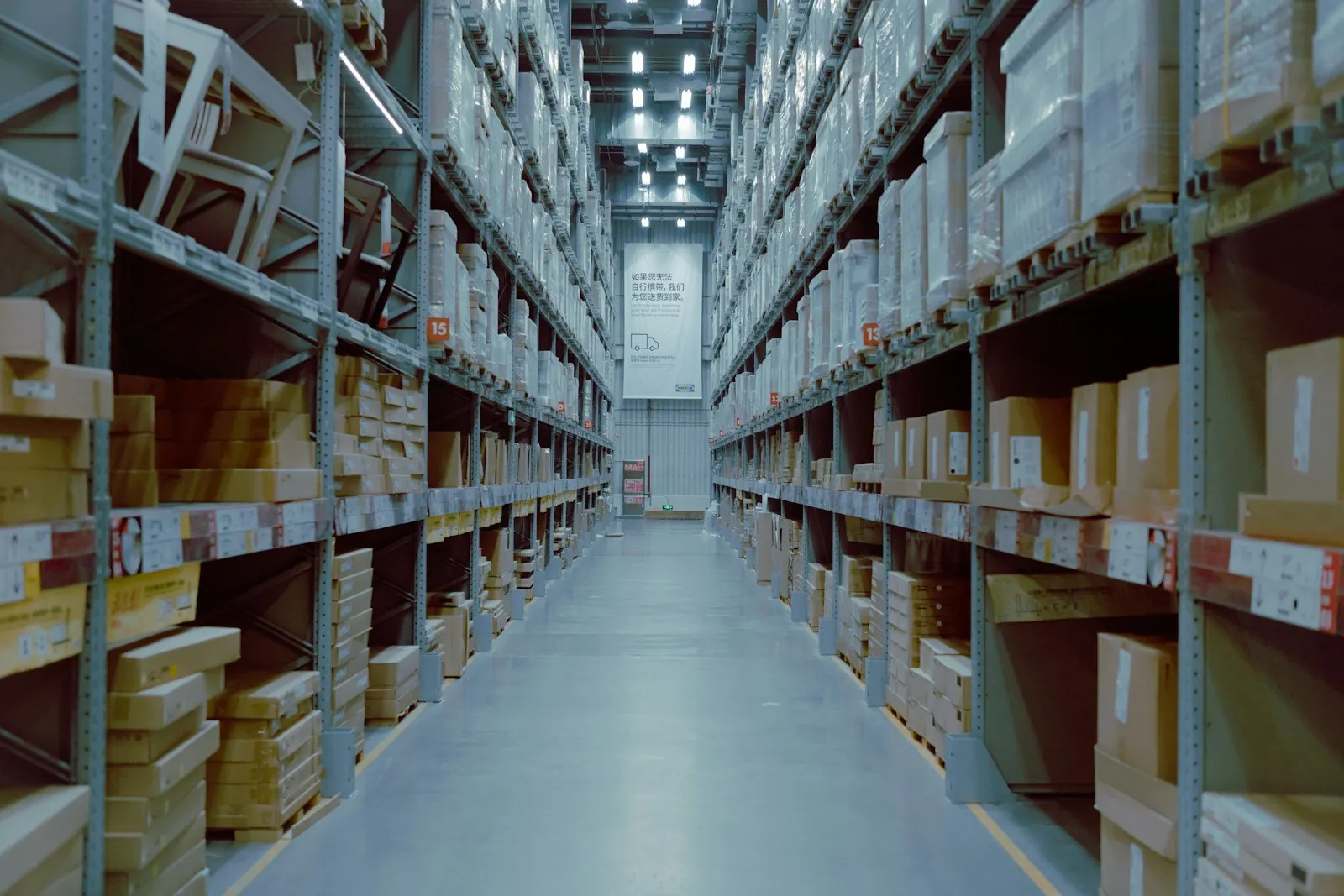
The Mobile commercial pest calendar
What tends to hit Mobile businesses when — so you can describe it accurately when you check coverage.
| Season | What shows up in Mobile commercial buildings |
|---|---|
| Feb–Jun | Termite swarm season — swarmers around loading-dock lights and office windows send property managers scrambling for documentation. Ant trails wake up along slab joints and landscaping beds. |
| Apr–Oct | Fire ant mounds spread across parking-lot islands, playgrounds, and utility boxes; smokybrown roaches fly into stockrooms and kitchens on humid nights; German roach pressure climbs with delivery volume. |
| Jul–Sep | Peak humidity: roach activity at its heaviest in food service, silverfish in file storage and stockrooms, millipedes and centipedes crossing slab floors after heavy Gulf rain events. |
| Oct–Mar | Rodent season — roof rats and mice push into warehouses, drop ceilings, and kitchen voids as nights cool. Port-adjacent buildings feel it first; bait-station hits and log entries usually spike in November. |
What should you ask the operator?
Facility managers who ask these up front get better programs — and cleaner audits.
- “What documentation do you leave after each visit?” A commercial operator should offer service logs, product records, and findings without being asked. If your facility faces health inspections or third-party food-safety audits, say so — the paperwork standard is higher.
- “Will you map the bait stations?” A numbered station map matched to the log book is standard on warehouse and food-facility accounts. It’s also the first thing an auditor asks to see.
- “Can you service outside business hours?” Many Mobile operators run early-morning or after-close windows for restaurants and offices — but those windows depend on each operator’s schedule and route, so availability varies and is not guaranteed. Ask before you sign.
- “What’s your ADAI license number?” Every legitimate Alabama operator has one, and the Pesticide Management Section in Montgomery — (334) 240-7240 — can confirm it. A commercial pro expects the question.
- “What happens between scheduled visits?” Roach activity in a dining room can’t wait three weeks. Get the re-service terms — response expectations, what’s included, what costs extra — in the contract, not in a handshake.
Comparing providers for a facility? Checking your ZIP gets you matched with an independent commercial operator who works your part of Mobile or Baldwin County — and their quote arrives after a walk-through, not before.
Commercial pest control in Mobile — what do homeowners ask?
Are you a pest control company?
No — Mobile Alabama Exterminators is a free dispatch and referral service. We connect Mobile and Baldwin County businesses with independent, ADAI-licensed pest control operators who perform the inspections and treatments. We never do the work ourselves, and we encourage you to verify any operator’s license before hiring.
What kinds of commercial properties can the operators handle?
Warehouses and distribution buildings near the Port of Mobile, restaurants and bars, offices, retail storefronts, medical and dental suites, senior-living facilities, churches, and multi-tenant buildings. Describe the facility when you check coverage and the line routes to an operator who runs that kind of account.
Do the operators provide documentation for health inspections and audits?
Commercial operators in this market routinely provide signed service logs, product and findings records, and numbered bait-station maps — the paperwork health departments and AIB-style audit programs expect. Tell the operator what your inspector or auditor requires and ask to see a sample log before you sign.
Can service be scheduled after hours?
Often, yes — early-morning and after-close windows are common for restaurants and offices. Scheduling is set by the independent operator and depends on their routes and workload, so after-hours availability varies and is not guaranteed. The dispatch line itself processes requests 24/7.
How much does commercial pest control cost in Mobile?
Pricing is set by the independent operator, not by us, and it depends on the facility’s size, type, pest pressure, and documentation requirements. A real number requires a walk-through. Checking coverage and the match are free, and you’re free to compare the operator’s quote against anyone else’s.
Why do commercial accounts in Mobile run recurring service?
Because the pressure never dies back. Mobile’s mild winters and roughly 65 inches of rain a year keep roaches, ants, and rodents active in every season, and commercial buildings add constant deliveries and foot traffic. Recurring service keeps monitoring current and keeps the paper trail unbroken between inspections.
Your building, your account, your call.
Free to check coverage, free to get matched, no obligation to hire. The licensed operator inspects and gives the quote.
Prefer to send details first? Use the contact form →