Rodent exclusion in Birmingham, AL — one call to a licensed operator.
Trapping a rat out of an Avondale attic and keeping the next one from getting in are two different jobs, and Birmingham’s brick-pier bungalows, Southside basements and Roebuck slabs each hide their entry points differently. Our 24/7 dispatch line matches you with an independent, ADAI-licensed operator who seals the building, not just the symptom.
One call, and you’re matched
Tell the dispatcher what you’re dealing with — scratching in a Woodlawn attic that’s already been trapped once, a gap you can see under an Avondale crawlspace skirt, a garage corner in Roebuck rodents keep finding — and get matched with a licensed operator who seals entry points for your part of Birmingham.
☎ Call (888) 295-0220 (888) 295-0220 — answered 24/7Free call · No obligation to hire anyone · The licensed local exterminator you’re matched with inspects and sets the price
Mobile Alabama Exterminators is a free 24/7 dispatch and referral line. Call (888) 295-0220, describe where you’re seeing activity or entry points, and we match you with an independent exterminator licensed by the Alabama Department of Agriculture & Industries who covers your Birmingham address. The licensed operator, not us, inspects, confirms the building is clear, and seals it.
What does sealing a Birmingham house against rodents actually involve — and why does the order of operations matter?
Rodent exclusion is a different job from rodent control, even though the two get lumped together. Control removes the rats or mice already inside a house — traps, bait stations, a population brought down to zero. Exclusion is what happens after that: finding and permanently closing every gap a rodent used, or could use, to get back in. A house that gets trapped out but never sealed usually sees the same problem again within a season, because nothing about the building itself changed.
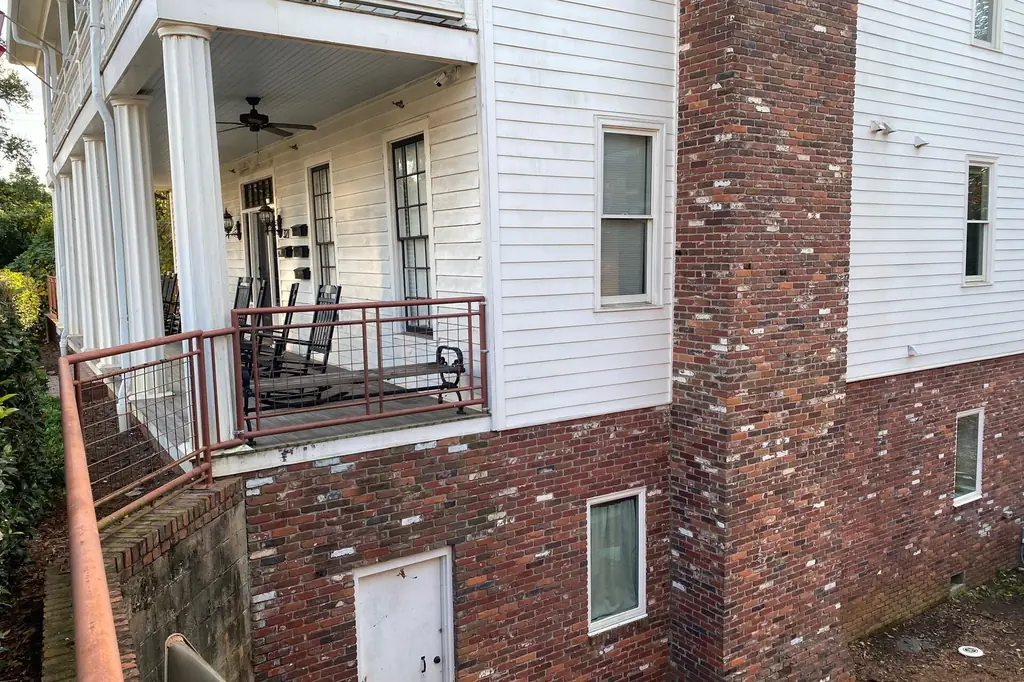
What exclusion work looks like depends heavily on which part of Birmingham a house sits in, because the city’s housing stock hides entry points differently by era and foundation type. In Avondale and Woodlawn’s 1920s brick-pier bungalows, the classic gap is at the skirting — lattice or brick infill between piers that settles or cracks, wide enough for a rat working a gap larger than a quarter. In Southside’s below-grade apartment buildings, the entry points shift to sill gaps where a basement wall meets the structure above, and utility penetrations drilled through concrete decades ago without a real seal around the pipe. In Roebuck’s postwar slab ranches, the weak points move again — garage corners where the slab meets the frame wall, and brick weep holes that drain moisture but also happen to be rodent-sized.
A thorough exclusion job works from the roofline down. Gable and ridge vents get fitted with hardware cloth heavy enough that a rat cannot chew through it, since attic access from a mature Avondale or East Lake oak is one of the most common ways a roof rat gets in above the ground floor entirely. AC line-set chases — the sleeve where refrigerant lines pass through an exterior wall — get packed and sealed, since that gap is sized for a cable, not a wall, and rodents exploit it constantly. Chimney caps, door sweeps, and weep-hole covers that still let water drain but block rodent-sized gaps round out the work below the roofline.
The order of operations matters more than any single material used. A licensed operator confirms the building is empty before sealing it — either through active trapping first, or by installing one-way exclusion doors at the main entry points that let rodents leave but not return, then sealing behind them once activity stops. Sealing a house shut with rodents still inside is close to the worst outcome available: trapped animals die in wall voids and attic spaces, and the smell and secondary pest pressure that follows is a much bigger problem than the one being solved.
Once a building is confirmed clear and sealed, an honest operator also looks at what the rodents left behind. Attic insulation that has been nested in or compressed by traffic loses much of its effectiveness and can carry contamination worth addressing — typically a referral to an insulation or remediation specialist rather than part of the pest control scope itself, but a thorough operator flags it rather than ignoring it.
Entry height is a useful clue for which species is involved and where to focus a Birmingham inspection. Roof rats travel the canopy — mature trees in Avondale, East Lake and Forest Park that touch or overhang a roofline give them a path in well above ground level, so their entry points cluster at soffits, ridge vents and roof edges. Norway rats and house mice work from the ground up, favoring foundation gaps, weep holes and sewer or drain-line connections closer to grade. A crawlspace or basement house without much canopy overhead skews toward ground-level entry; a house under mature trees needs the roofline checked just as closely.
Fall is the season that makes exclusion worth doing before, not after, the problem shows up. Birmingham’s first real cold snaps, usually landing in October and November, push field and yard populations to look for a way indoors, and a house already sealed in September has nothing new to find. One already showing gaps in October is racing the calendar.
Already trapped a rat or mouse out of a Birmingham attic? Tell the dispatcher where the activity was and what kind of foundation your house has — pier, basement or slab — so the operator seals the actual entry points, not just the room where you saw it.
☎ Call (888) 295-0220Free call · 24/7 · No obligation to hire — the licensed operator you’re matched with gives the quote
How does the rodent exclusion dispatch line work in Birmingham?
Total transparency: we answer phones and match. Licensed operators do the work.
You call, we listen
Tap the number, day or night, and tell the dispatcher what you’re seeing in Birmingham — it takes about a minute, costs nothing, and you’re not committing to anything.
We match you locally
Mobile Alabama Exterminators is a dispatch and referral service, not a pest control company. We route your call to an independent operator licensed by the Alabama Department of Agriculture & Industries who covers Birmingham and the surrounding Jefferson County area.
The operator takes over
The licensed operator inspects your property, walks you through what they found, and gives you their own quote. Hiring them is entirely your decision — and you can verify their ADAI license first through the Pesticide Management Section in Montgomery at (334) 240-7240.
What else can you call the Birmingham line about?
The dispatch line routes five core problem types across Birmingham. Each links to a deeper guide on this site.
Pest control in Birmingham →
The parent hub for every pest problem across the city, from downtown to the suburbs ringing Jones Valley.
Rodent control →
Trapping and removal for an active rat or mouse population — the step that usually comes before exclusion.
Rodent control (Mobile) →
The statewide rodent guide covering species identification and control methods.
Signs of roof rats in your attic →
How to tell a roof rat problem from ground-level rodent activity before an inspection.
Woodlawn exterminator →
Dispatch coverage for Woodlawn’s brick-pier bungalow blocks specifically, where skirting gaps are the most common entry point.
When is rodent exclusion worth scheduling in Birmingham?
Sealing a house works any time of year, but the calendar changes how urgent it is.
| Season | What shows up in Birmingham homes |
|---|---|
| Mar-Jul | The slower season for rodent pressure is the easiest window to get exclusion scheduled before demand picks up — gaps found now get sealed without a fall waiting list. |
| Aug-Sep | The practical deadline — sealing a Birmingham house before the fall push means nothing new gets a chance to move in as temperatures start dropping. |
| Oct-Nov | Peak entry-seeking season across Birmingham as the first cold snaps hit; this is when unsealed gaps in Avondale, Woodlawn and Roebuck get found the hard way. |
| Dec-Feb | Already-sealed houses stay quiet; unsealed ones often see the season’s heaviest indoor activity as outdoor food and shelter options thin out. |
Seeing a gap under a pier or a weep hole with fresh gnaw marks? Mention it to the dispatcher — a described entry point helps match you with an operator who brings the right materials on the first visit.
☎ Call (888) 295-0220Free call · 24/7 · No obligation to hire — the licensed operator you’re matched with gives the quote
What should you ask the operator about exclusion work?
Asking these on the first visit gets you a better outcome — and a fairer quote.
- “Will you confirm the building is empty before sealing it?” Sealing rodents inside a wall or attic is a worse outcome than the original problem. Ask whether the operator traps first or uses one-way doors before any permanent sealing happens.
- “What entry points did the inspection find, and where?” A specific answer — a pier skirting gap, a weep hole, an AC line-set chase — tells you the operator actually inspected your house rather than offering a generic sealing package.
- “What materials do you use for vents and gaps?” Hardware cloth heavy enough to resist chewing, proper mortar for foundation gaps, and sweep types that survive weather all matter. Ask what is being used and why it fits your foundation type.
- “Will weep holes still drain after you cover them?” Weep-hole covers need to block rodents without trapping moisture against the foundation. A thorough operator explains how the covers they use handle both.
- “Do you check the attic after sealing?” Contaminated or nest-damaged insulation is common after an active rodent problem. Ask whether an assessment is included, even if the remediation itself is a referral to a specialist.
None of these questions slow down an operator who seals Birmingham houses every week — the answers tell you whether the job addresses the building or just the symptom you called about.
Rodent exclusion in Birmingham — what do homeowners ask?
Are you a pest control company in Birmingham?
No — Mobile Alabama Exterminators is a free dispatch and referral service. We connect Birmingham homeowners with independent, ADAI-licensed pest control operators who perform exclusion and rodent control work. We never do the work ourselves, and we encourage you to verify any operator’s license before hiring.
What’s the difference between rodent control and rodent exclusion?
Control removes the rodents already inside a house through trapping or bait. Exclusion is the separate step of finding and permanently sealing the entry points so the problem does not return. Most Birmingham houses need both, usually in that order.
Will sealing my house trap rodents inside?
Not if it’s done correctly. A licensed operator confirms the building is empty first — through trapping or one-way exclusion doors that let rodents leave but not return — before any permanent sealing happens.
How do I know if I have roof rats or ground-level rodents in Birmingham?
Entry height is the clue. Roof rats travel mature canopy and enter near rooflines and soffits; Norway rats and house mice work from the ground up through foundation gaps and weep holes. An inspection confirms which applies to your house.
Why does fall matter so much for exclusion timing?
Birmingham’s first cold snaps, typically in October and November, push rodents to look for a way indoors. A house sealed before then has fewer new entry attempts to deal with than one that waits until winter.
Do brick-pier houses in Avondale and Woodlawn need different work than a Roebuck slab?
Yes. Pier-and-beam houses need skirting and crawlspace gaps addressed; slab homes need garage corners and weep holes checked instead. An operator who knows both foundation types inspects for what actually applies to your house.
Ready when you are — day or night.
, free to get matched, no obligation to hire. The independent ADAI-licensed operator who covers your Birmingham address inspects, confirms, and seals it.
☎ Call (888) 295-0220(888) 295-0220 — free call, 24/7. The licensed operator inspects and gives the quote.