Mosquito control in Hoover, AL — one call to a licensed operator.
From the shaded brow lots above Bluff Park to the new detention ponds ringing Ross Bridge and Trace Crossings, mosquito pressure in Hoover splits by neighborhood as much as by season. Our 24/7 dispatch line matches you with an independent, ADAI-licensed operator who treats your yard’s harborage and breeding sites on a schedule — not a one-time spray.
One call, and you’re matched
Tell the dispatcher what you’re seeing — mosquitoes biting at dusk along a wooded yard near Moss Rock Preserve, standing water in a Ross Bridge french drain or downspout extender, a swarm rising off a shaded Patton Creek drainage ditch — and get matched with a licensed operator who works your part of Hoover.
☎ Call (888) 295-0220 (888) 295-0220 — answered 24/7Free call · No obligation to hire anyone · The licensed local exterminator you’re matched with inspects and sets the price
Mobile Alabama Exterminators is a free 24/7 dispatch and referral line. Call (888) 295-0220, describe where you’re seeing mosquitoes and any standing water nearby, and we match you with an independent operator licensed by the Alabama Department of Agriculture & Industries who covers your Hoover address. The licensed operator, not us, inspects the yard, identifies the breeding sites, and sets the price and cadence for treatment.
Why do Hoover’s creek valleys and new subdivisions breed such different mosquitoes?
Hoover sits across two drainage systems that shape where mosquitoes settle — Patton Creek cutting through the retail corridor near the Riverchase Galleria area, and Shades Creek tracing the valley floor below the Shades Mountain brow where Bluff Park and Green Valley sit. Both stay damp longer than the ridge lots above them, and that persistent shade and moisture is the single biggest driver of where a Hoover mosquito call originates.
In the older, wooded sections along Shades Creek and around Moss Rock Preserve’s wet-weather streams, Culex quinquefasciatus — the common house mosquito, and the species most associated with West Nile virus regionally — breeds in storm drains, clogged gutters, and the shaded low spots where creek-adjacent yards hold water for days after a rain. It is a dusk-and-dawn biter that favors standing, stagnant water over open running creek flow.
Drive out to Ross Bridge and Trace Crossings and the picture flips. These are newer, densely landscaped subdivisions built around lakes, irrigation systems, and sod laid in over the past two decades, and the Asian tiger mosquito — a daytime, container-breeding species — thrives in exactly that kind of yard: a saucer under a potted plant, a clogged french drain, a corrugated downspout extender pooling water at its low point, an irrigation head that never fully drains.
Bluff Park’s geography adds a wrinkle of its own. The neighborhood sits along the brow of Shades Mountain, and while brow lots drain faster than the valley floor below them, the tree canopy and steep, shaded yards common along Park Avenue and the surrounding streets hold humidity long after a storm passes — conditions that keep both Culex and container-breeding species active well past what a drier, more open yard would support.
Season in Hoover runs roughly April through October, tracking the warm, humid stretch between the last spring cold snap and the first real fall cool-down. Within that window, a yard treatment holds for roughly three to four weeks before regrowth and rain reopen the same harborage — which is why licensed operators typically set a 21-to-30-day barrier spray cadence rather than a single visit.
- Standing-water audit: gutters, drain extensions, saucers, and low spots the homeowner may not think to check
- Barrier application to shaded vegetation, foundation plantings, and shrub lines where adult mosquitoes rest during the day
That is targeted work on the property itself, not a claim about the creek or the watershed running through it. A yard operator cannot drain Patton Creek or Shades Creek, and no honest one will claim to fix a wooded drainage valley by spraying a quarter-acre lot. What a licensed operator can do is knock down the mosquitoes actively breeding and resting on your property and keep them down on a schedule — the realistic, honest scope of the work in a city built across two very different kinds of terrain.
Getting eaten alive in your Hoover yard? Tell the dispatcher whether you’re near Shades Creek, Patton Creek, or a Ross Bridge-style pond — that changes which breeding sites the operator checks first.
☎ Call (888) 295-0220Free call · 24/7 · No obligation to hire — the licensed operator you’re matched with gives the quote
How does the mosquito dispatch line work in Hoover?
Total transparency: we answer phones and match. Licensed operators do the work.
You call, we listen
Tap the number, day or night, and tell the dispatcher what you’re seeing in Hoover — it takes about a minute, costs nothing, and you’re not committing to anything.
We match you locally
Mobile Alabama Exterminators is a dispatch and referral service, not a pest control company. We route your call to an independent operator licensed by the Alabama Department of Agriculture & Industries who covers Hoover and the surrounding Jefferson County area.
The operator takes over
The licensed operator inspects your property, walks you through what they found, and gives you their own quote. Hiring them is entirely your decision — and you can verify their ADAI license first through the Pesticide Management Section in Montgomery at (334) 240-7240.
What else can you call the Hoover line about?
The dispatch line routes several core problem types across Hoover. Each links to a deeper guide on this site.
Pest control in Hoover →
The parent hub for every pest problem across the city, from the Bluff Park brow to Ross Bridge.
Mosquito control (Mobile) →
The statewide mosquito guide — species, season, and what a barrier treatment actually covers.
Mosquito control in Birmingham →
Storm-drain Culex and creek-valley pressure in the metro next door.
Bed bug treatment in Hoover →
Dispatch coverage for the Galleria-area hotel cluster and Lorna Rd apartment communities.
Termite treatment in Hoover →
Foundation-specific termite dispatch across Hoover’s pier, slab, and basement stock.
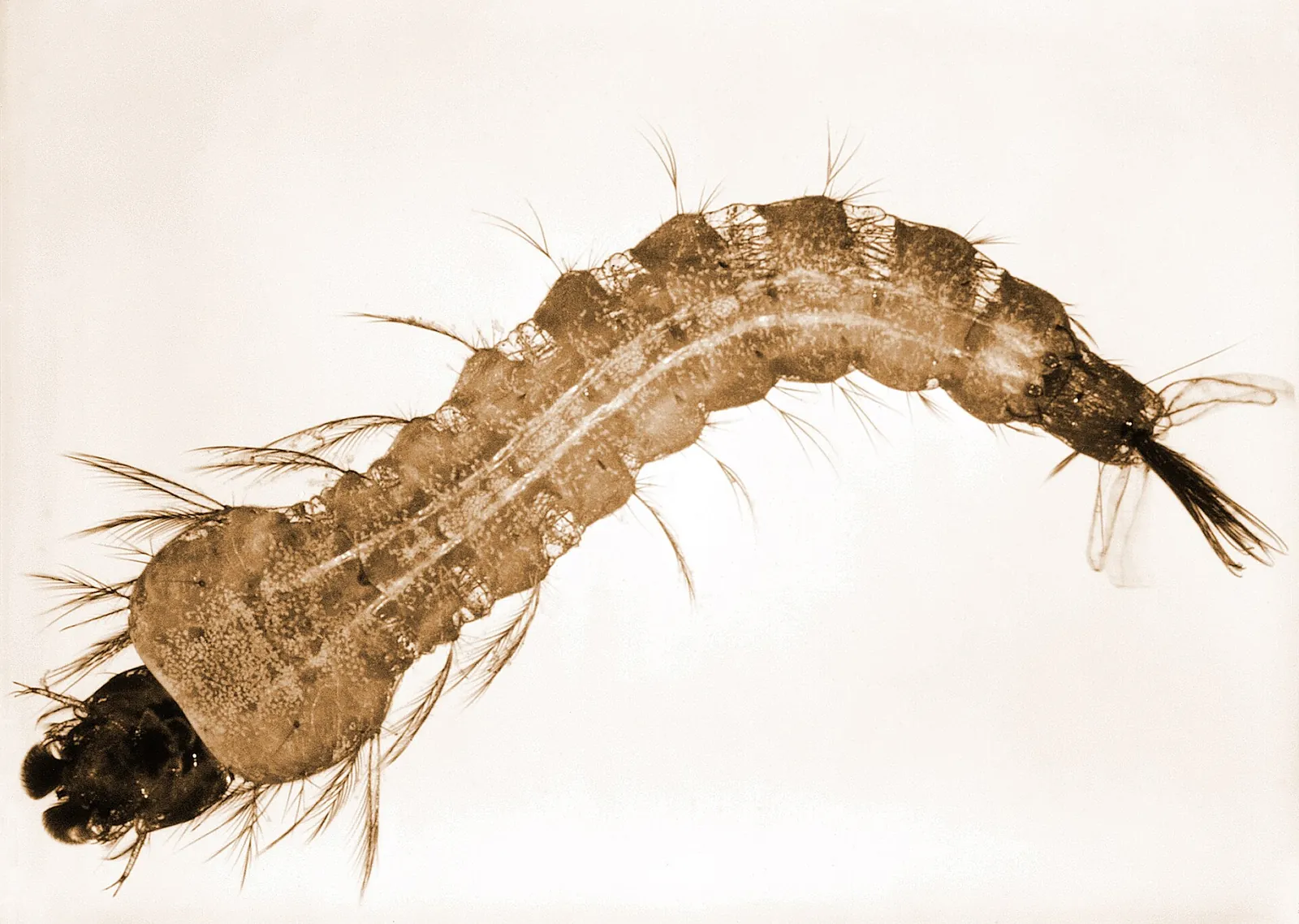
When is mosquito pressure worst in Hoover?
Terrain sets where they breed; the calendar sets how bad it gets.
| Season | What shows up in Hoover homes |
|---|---|
| Apr-May | Season starts as the creek valleys along Shades Creek and Patton Creek warm up first, ahead of the drier ridge lots above them. |
| Jun-Aug | Peak pressure — Culex builds in shaded storm drains around Bluff Park and Green Valley while Asian tiger mosquitoes cycle fast through Ross Bridge and Trace Crossings container sites after every afternoon storm. |
| Sep-Oct | Activity stays heavy into fall in the shaded brow lots and wooded pockets near Moss Rock Preserve, even as sunnier, open yards start to slow down. |
| Nov-Mar | Cold weather knocks adult activity down close to zero, though a mild stretch can still wake up standing water left over from winter. |
Notice standing water after a rain? A clogged gutter, a downspout extender, or a low spot in a french drain is exactly what a licensed operator wants to know about before the first visit.
☎ Call (888) 295-0220Free call · 24/7 · No obligation to hire — the licensed operator you’re matched with gives the quote
What should you ask the operator about your Hoover yard?
Asking these on the first visit gets you a better outcome — and a fairer quote.
- “Have you checked for standing water beyond the obvious spots?” Gutters, drain extenders, and irrigation low points in a Ross Bridge or Trace Crossings yard hide breeding sites a quick walk-around can miss. Ask what the operator checks before the first spray.
- “Are you treating for Culex, Asian tiger mosquitoes, or both?” A shaded, creek-adjacent lot and a landscaped subdivision yard often carry different species with different habits. The answer should shape where and how the treatment is applied.
- “What’s the barrier spray cadence, and does rain reset it?” Most treatments hold three to four weeks before regrowth and rain reopen the harborage. Ask how the operator handles a heavy rain that falls mid-cycle.
- “What products do you use around a shaded, wooded lot?” Bluff Park and Moss Rock-adjacent yards carry mature trees and dense shrub lines. Ask how the operator adapts application around established landscaping.
- “What’s your ADAI license number?” Every legitimate Alabama operator carries one, and the Pesticide Management Section in Montgomery can confirm it. A pro expects the question and answers without hesitation.
None of these questions slow down an operator who actually works Hoover’s mix of creek valleys and new subdivisions every week — the answers tell you who you’re dealing with before any work starts.
Mosquito control in Hoover — what do homeowners ask?
Are you a pest control company in Hoover?
No — Mobile Alabama Exterminators is a free dispatch and referral service. We connect Hoover homeowners with independent, ADAI-licensed pest control operators who perform the yard inspection and mosquito treatment. We never do the work ourselves, and we encourage you to verify any operator’s license before hiring.
How often does mosquito treatment need to happen in Hoover?
Most licensed operators run a 21-to-30-day barrier spray cadence from April through October, since a single treatment fades as vegetation regrows and rain reopens standing-water sites. Ask the operator how they schedule around your season.
Can you do anything about the creek behind my house?
An operator treats the vegetation, standing water, and resting sites on your property — not the creek itself. Shades Creek and Patton Creek are watershed features no yard treatment can drain, so the honest scope is your lot, done well and repeated on schedule.
Why do I still get bitten during the day?
Asian tiger mosquitoes, common in Hoover’s newer landscaped subdivisions, are daytime biters that breed in small containers rather than open water. That is a different pattern than the dusk-and-dawn Culex mosquito found near shaded creeks.
Does treatment cost more for a wooded, shaded lot?
The price is set by the independent operator after inspecting the property — lot size, vegetation density, and standing-water sources all factor in. The call and the match are free; ask the operator what drives their quote.
Which parts of Hoover does the line cover?
The line routes across the city — the Bluff Park and Green Valley streets along Shades Creek, the Ross Bridge and Trace Crossings subdivisions, and the rest of the Patton Creek corridor. Call and the dispatcher confirms coverage for your address.
Ready when you are — day or night.
, free to get matched, no obligation to hire. The independent ADAI-licensed operator who covers your Hoover neighborhood inspects and gives the quote.
☎ Call (888) 295-0220(888) 295-0220 — free call, 24/7. The licensed operator inspects and gives the quote.