Pest control in Troy, AL — one call to a licensed operator.
From student rentals ringing the Troy University campus to the brick storefronts on the downtown square, our 24/7 dispatch line matches Troy households with an independent, ADAI-licensed exterminator who works Pike County every week. You call, we match, the licensed operator inspects and quotes.
One call, and you’re matched
Tell the dispatcher what you’re seeing — roaches in the kitchen of a just-leased rental, mounds erupting in a sandy yard, shed wings on a spring windowsill — and get matched with a licensed operator who covers Troy.
☎ Call (888) 295-0220 (888) 295-0220 — answered 24/7Free call · No obligation to hire anyone · The licensed local exterminator you’re matched with inspects and sets the price
Mobile Alabama Exterminators is a free 24/7 dispatch and referral line. Call (888) 295-0220, describe your Troy pest problem, and we match you with an independent exterminator licensed by the Alabama Department of Agriculture & Industries who covers your street. The licensed operator — not us — inspects your property, sets the price, and does the work. Calling costs nothing and you’re never obligated to hire anyone.
Why does August flip the switch on Troy’s pest season?
Troy runs on two calendars. There’s the one the rest of Pike County keeps — planting, hay, harvest — and there’s the one Troy University keeps, which turns the whole town over every August. Thousands of students move in and out of the rental blocks around campus in the space of a few weeks, hauling furniture, boxes and mini-fridges between apartments, duplexes and converted older houses. That annual churn is the single most reliable pest event in town, because the German cockroach — the small, fast, strictly-indoor species — doesn’t walk to a new address. It rides. A used couch, a milk crate of kitchen gear, a cardboard box that spent a summer in storage: one egg case is enough to seed a clean unit, and by midterms the new tenants are seeing roaches around the stove at night and wondering what they did wrong. Usually, nothing — the infestation arrived with the move.
Three local realities drive most of the calls coming off this page:
- August lease turnover moves German roaches building to building. In the rental stock around campus and along the US 231 strip, the roach problem is a circulation problem — populations survive summer in occupied or poorly cleaned units, then spread with each wave of move-ins. Treating one apartment in an infested building rarely ends it, which is why a licensed operator asks about neighboring units, shared walls and the building’s history before quoting a scope. The older converted houses near downtown add a second species to the mix: big American and smokybrown roaches working crawlspaces and attics, a completely different problem with a completely different fix.
- Sandy Coastal Plain soil is easy digging — for fire ants and termites alike. Troy sits where the Wiregrass begins, and the loose, sandy soils that made this peanut-and-row-crop country also make it effortless tunneling. Fire ant mounds erupt across sunny yards, ballfields and rights-of-way from spring through fall, and eastern subterranean termites — the established species this far inland — tube up through the same forgiving ground into pier foundations and slab penetrations. The town’s older housing, including the blocks of early-1900s homes near the square, has had a century of exposure; the newer slabs south and east of town are quietly aging past their builder pre-treatments.
- The Conecuh’s tributaries keep a seven-month mosquito season fed. The upper Conecuh River gathers itself from creeks and branches threading through Pike County, and those low, shaded drainages — plus stormwater ditches, gutters and every tarp and bucket left out behind a rental — hold mosquito breeding water from April into October. Fall then brings the reverse migration: when the surrounding fields are cut and the first cool nights arrive, mice move off the farmland edges into garages, sheds and crawlspaces across town.
The result is a town that needs an operator with range — multifamily German roach protocols for the campus blocks, crawlspace and termite instincts for the older streets around the square, baiting programs for sandy-soil fire ants, and exclusion work timed to the fall field-rodent push. It also needs someone who understands that in Troy, the question “when did this start?” often has the same answer: move-in week.
That’s the kind of operator this line matches you with — an independent, ADAI-licensed exterminator who already works Troy and Pike County every week.
Seeing activity in Troy right now? Be specific with the dispatcher — “small roaches around the stove in a rental we just moved into,” “mounds coming up in the yard after rain,” “shed wings on a windowsill.” A specific report gets you matched with the right operator the first time.
☎ Call (888) 295-0220Free call · 24/7 · No obligation to hire — the licensed operator you’re matched with gives the quote
How does the dispatch line work in Troy?
Total transparency: we answer phones and match. Licensed operators do the work.
You call, we listen
Tap the number, day or night, and tell the dispatcher what you’re seeing in Troy — it takes about a minute, costs nothing, and you’re not committing to anything.
We match you locally
Mobile Alabama Exterminators is a dispatch and referral service, not a pest control company. We route your call to an independent operator licensed by the Alabama Department of Agriculture & Industries who covers Troy and the surrounding Pike County area.
The operator takes over
The licensed operator inspects your property, walks you through what they found, and gives you their own quote. Hiring them is entirely your decision — and you can verify their ADAI license first through the Pesticide Management Section in Montgomery at (334) 240-7240.
Which pest problems can you call about in Troy?
The dispatch line routes five core problem types in Troy. Each links to a deeper guide on this site.
Cockroach control →
German roaches riding the August lease turnover through Troy’s student rentals; American and smokybrown roaches in the older crawlspaces near the square. Species drives the treatment, so the operator IDs it first.
Termite control →
Eastern subterranean termites tubing through Troy’s easy sandy soil into pier foundations and aging slabs. Inspections, treatments and termite letters for closings.
Ant control →
Fire ant mounds across Troy’s sunny, sandy yards from spring through fall; odorous house ants trailing indoors after summer rain. Baiting programs matched to the species.
Rodent control →
Mice off the cut fields at the town’s edge when fall arrives. Trapping plus exclusion on garages, sheds and older pier-and-beam foundations.
Mosquito reduction →
The Conecuh’s feeder creeks and a seven-month warm season keep Troy mosquitoes active April through October. See the pest library for what programs involve.
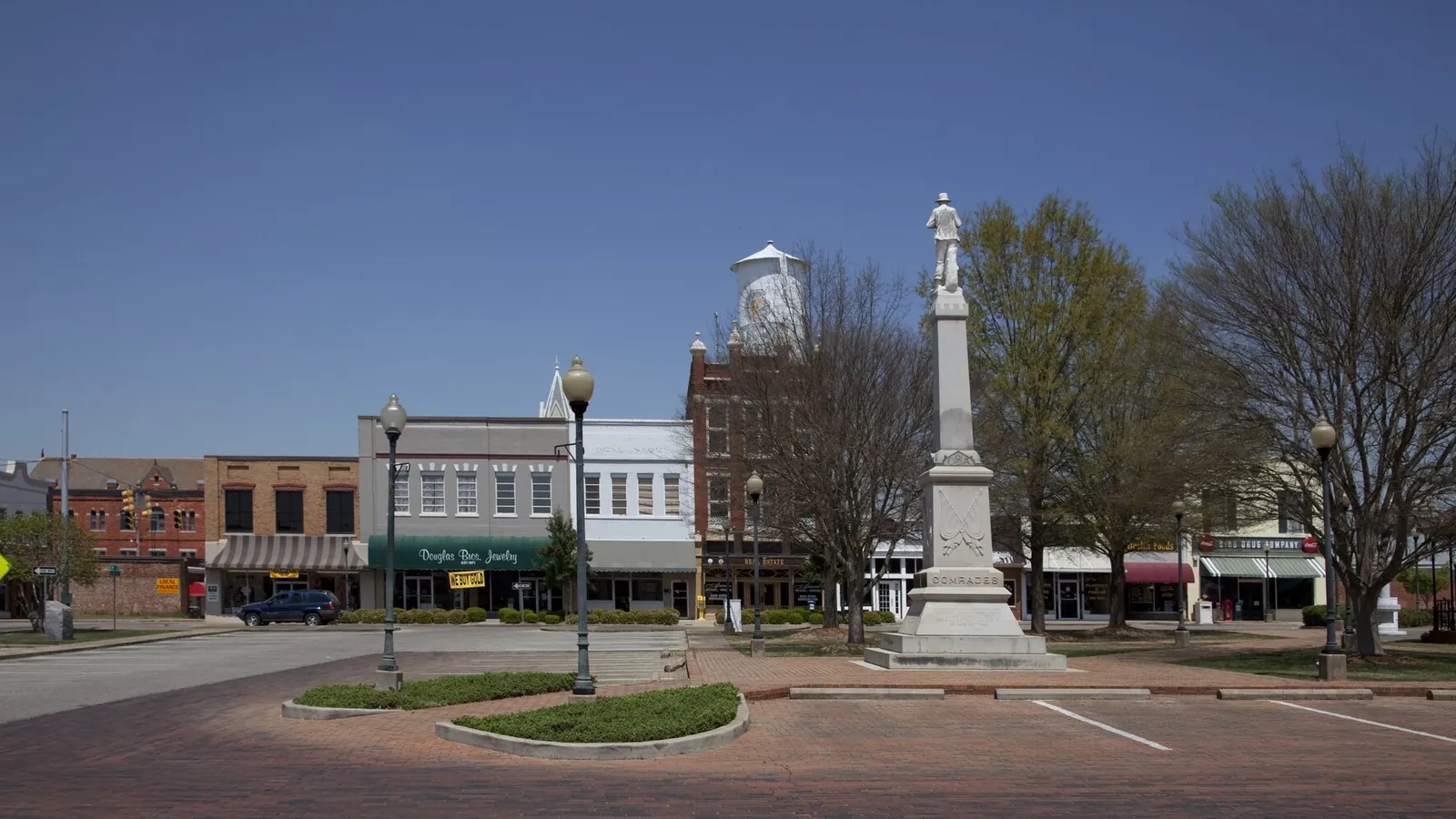
When do pests peak in Troy?
Troy’s calendar runs on the university’s clock as much as the weather’s — with August as the pivot.
| Season | What shows up in Troy homes |
|---|---|
| Mar–May | Termite swarm season — winged swarmers indoors on warm afternoons, shed wings on sills in the older blocks near the square. Fire ant mounds multiply in sandy yards after rain. |
| Jun–Aug | Mosquitoes peak along the creek drainages; fire ants spread in full sun; then August lease turnover seeds German roach problems across the campus rental blocks in a matter of weeks. |
| Sep–Nov | Harvest and first cool nights push mice off the surrounding fields into garages and crawlspaces. October is the month to seal an older foundation. |
| Dec–Feb | Indoor season — German roach pressure holds in occupied rentals, rodents nest in insulation, and heated crawlspaces keep termites quietly working through winter. |
Recognize your season? Tell the dispatcher what you’re seeing and what month it started — in a college town, timing plus building type is half the diagnosis.
☎ Call (888) 295-0220Free call · 24/7 · No obligation to hire — the licensed operator you’re matched with gives the quote
What should you ask the operator you’re matched with?
Asking these on the first visit gets you a better outcome — and a fairer quote.
- “What species is this?” Small German roach vs. big smokybrown, termite vs. flying ant — each pair takes a different protocol and budget. In Troy’s mix of rentals and century-old houses, species ID comes before everything.
- “What’s your ADAI license number?” Every legitimate Alabama operator carries one, and the Pesticide Management Section in Montgomery — (334) 240-7240 — can confirm it. A pro expects the question.
- “Is one unit enough, or does the whole building need attention?” German roach work in multifamily rentals fails when it stops at one apartment. Ask how the operator handles shared walls, neighboring units and the landlord conversation.
- “Did you actually check under the house?” In the older blocks near downtown, the story is in the crawlspace — pier bases, sill plates, plumbing penetrations in sandy soil. An inspection that stays above the floorboards missed the likely evidence.
- “Is this a one-time knockdown or a recurring plan?” Both are legitimate answers in the Wiregrass. What matters is the why — a move-in roach seeding and an established outdoor population call for different programs.
None of these questions are rude, and none of them slow a good operator down. The ones who work Troy’s rental blocks and older streets every week answer them without blinking — and the answers tell you who you’re dealing with before any money changes hands.
Pest control in Troy — what do homeowners ask?
Are you a pest control company in Troy?
No — Mobile Alabama Exterminators is a free dispatch and referral service. We connect Troy homeowners, renters and businesses with independent, ADAI-licensed pest control operators who perform the inspections and treatments. We never do the work ourselves, and we encourage you to verify any operator’s license before hiring.
How much does pest control cost in Troy?
The price is set by the independent operator after they’ve inspected — it depends on the pest, the property and the scope. The call and the match are free, the operator gives you their own quote before any work starts, and you’re free to compare it against anyone else’s.
We just moved into a Troy rental and there are already roaches — did we cause this?
Almost certainly not. German roaches travel in furniture, boxes and appliances, and August’s lease turnover moves them between units faster than any other event on the calendar. They were either in the unit before you arrived or came in with someone’s belongings. Report it to your landlord quickly — early treatment of a fresh seeding is a much smaller job than a mid-semester infestation.
Does Troy’s sandy soil really matter for termites?
Yes. Eastern subterranean termites travel through soil, and the loose, sandy ground of the upper Wiregrass is easy tunneling — they reach pier foundations, slab penetrations and grade-level wood with less effort than in heavy clay. The same soil is why fire ant mounds appear so quickly here. Regular inspections matter for both the older houses near the square and the newer slabs aging past their builder pre-treatments.
Which parts of Troy does the line cover?
The line routes across the city — the rental blocks around the Troy University campus, downtown and the square, the US 231 corridor, and the newer subdivisions on the edges of town — plus the rest of Pike County, including Brundidge and Goshen. Call and the dispatcher confirms coverage for your address.
Can I get someone after hours in Troy?
The dispatch line answers 24/7. Appointment timing is set by the independent operator and depends on their schedule and your location — availability varies by operator and time of day. The operator confirms timing with you directly.
Nearby coverage & related pages
Ready when you are — day or night.
, free to get matched, no obligation to hire. The independent ADAI-licensed operator who covers your Troy neighborhood inspects and gives the quote.
☎ Call (888) 295-0220(888) 295-0220 — free call, 24/7. The licensed operator inspects and gives the quote.