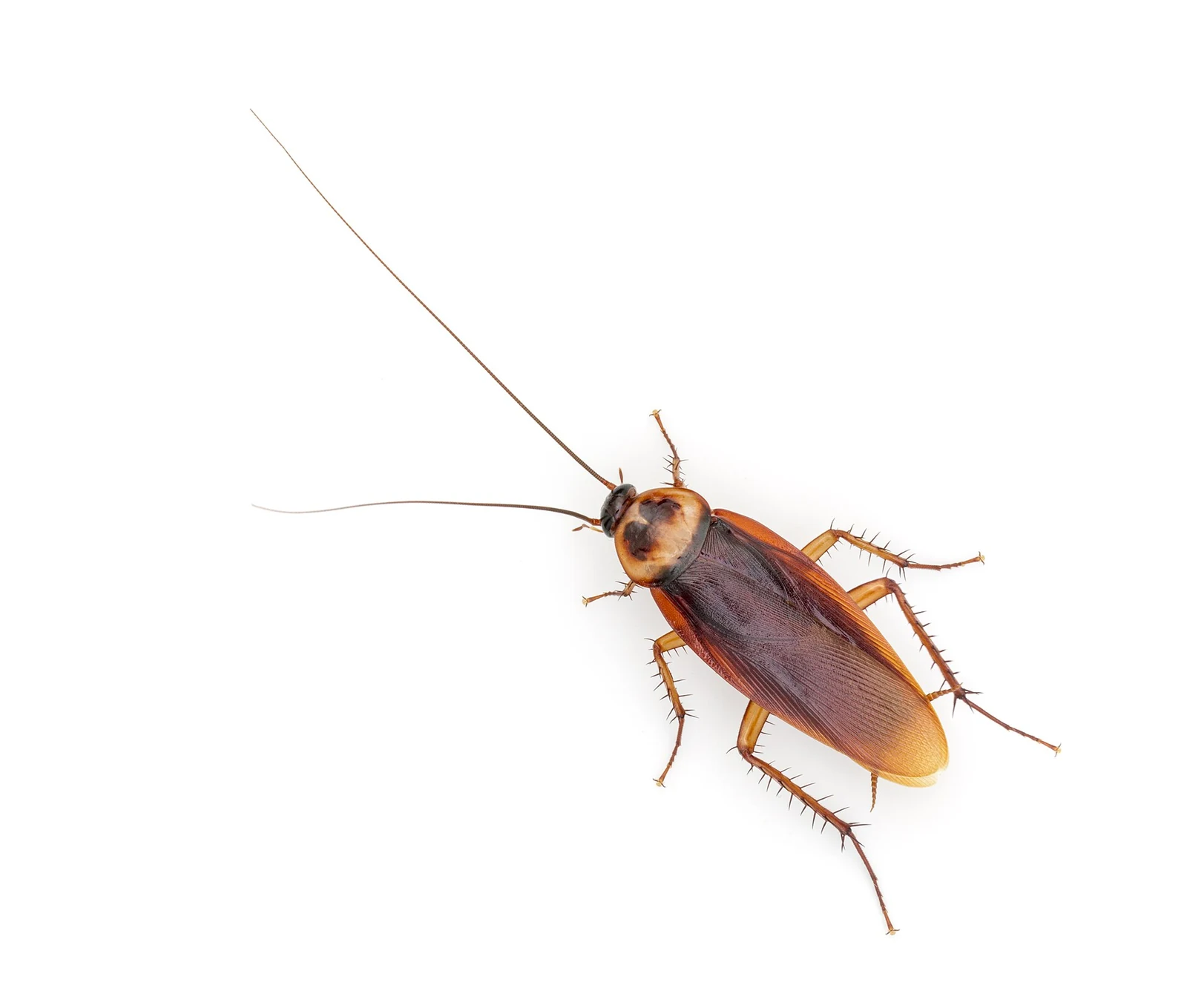
You turn on the kitchen light at night and something big and fast disappears under the stove. In Mobile, that’s usually one of two things: an American roach (the one everybody around here calls a “palmetto bug”) that flew in from the oak canopy outside, or a German roach that’s already set up shop indoors. They look similar to a lot of homeowners at first glance, but they’re different problems with different fixes — and summer is when both peak at once.
Dealing with a pest problem right now?
📞 Call now — get matched with a licensed local exterminator: (888) 295-0220When you call, stay on the line for a few seconds while we match you with the licensed local exterminator for your area. Have your address and a quick description of the problem ready.
Licensed local pros · Fast response, subject to availability · No obligation
Why is summer palmetto bug season on the Gulf Coast?
Mobile’s combination of heat, humidity, and heavy tree canopy is close to ideal for American roaches. These are outdoor-dwelling insects by nature — they live in leaf litter, mulch beds, storm drains, and the gaps around live oaks and pine straw — and they move indoors when it’s hot and dry outside, or after heavy rain floods their usual harborage. Warm, humid nights are when you’ll typically see the most activity, with roaches flying in toward porch lights and slipping through gaps under doors, weep holes, or utility penetrations.
Smokybrown roaches follow a similar pattern and get lumped into “palmetto bug” by most homeowners too. Both species can fly short distances as adults, which is part of why they show up seemingly out of nowhere on a summer evening.
Palmetto bugs vs. German roaches — why it matters which one you have
This distinction changes the whole approach:
- American roaches / palmetto bugs are large (often over an inch), reddish-brown, and mainly an outdoor species that wanders in. Seeing one or two doesn’t necessarily mean an indoor infestation — it can mean your yard has normal Gulf Coast roach pressure and your home’s entry points need attention.
- German roaches are smaller (roughly half-inch), light tan to brown, and almost always an indoor-breeding problem — kitchens and bathrooms, drawn to food residue, grease, and moisture. If you’re seeing small roaches consistently, especially near appliances, that’s a different treatment path entirely, usually involving targeted baiting rather than a perimeter approach.
Confusing the two is one of the most common reasons DIY treatment fails — spraying a perimeter product does very little for an established German roach population living inside a cabinet.
What tends to draw them into Mobile homes
- Gaps and openings. Weep holes in brick veneer, gaps under exterior doors, and utility line penetrations are common summer entry points for American roaches moving in from the yard.
- Moisture. Leaky faucets, condensation around AC units, and standing water in gutters or low spots near the foundation give both species what they need to stick around once they’re in.
- Mulch and vegetation against the house. Mulch beds and shrubs pushed right up against siding hold moisture and give American roaches a bridge from the yard straight to your exterior walls.
- Food access. Unsealed pantry items, pet food left out overnight, and dishes sitting in the sink are the main draw for German roaches once they’re indoors.
One call reaches a licensed, local exterminator who covers your address — and a real person answers, 24/7.
What a licensed operator typically does about it
An ADAI-licensed pest control operator will generally start by identifying which species (or both) is present, since that determines whether the plan focuses on exterior exclusion and perimeter treatment, indoor baiting, or a combination. For American roaches, that often means addressing exterior entry points, moisture sources, and harborage near the foundation. For German roaches, it usually means gel bait placement in the specific areas where they’re breeding, sometimes paired with insect growth regulators to break the reproduction cycle — not just a blanket spray, which tends to scatter roaches into new hiding spots rather than eliminate them. Our roach and palmetto bug control guide covers the treatment approaches licensed Mobile-area operators typically use for each species.
What you can do while you wait to get matched
None of this replaces a licensed inspection, but it can slow things down in the meantime:
- Wipe down counters and stovetops nightly, and don’t leave dishes soaking overnight.
- Store pantry food and pet food in sealed containers rather than open bags or boxes.
- Pull mulch and shrubs back a few inches from the foundation where you can.
- Fix any dripping faucets or AC condensation lines draining near the house.
- Caulk visible gaps around utility penetrations and weep holes if you’re comfortable doing it yourself.
what do homeowners ask?
Are palmetto bugs actually dangerous?
They’re generally considered more of a nuisance and sanitation concern than a direct health hazard, but large indoor populations of either species can aggravate allergies and asthma for some people, and they’re capable of contaminating food surfaces. Either way, an established indoor population is worth addressing rather than living with.
Why do I keep seeing them even though I don’t have food out?
American roaches don’t need your kitchen to survive — if your yard has moisture and harborage, they’ll keep wandering in from outside regardless of how clean your counters are. That’s an exclusion problem, not a sanitation one, and it’s usually where a licensed operator starts.
Is this something a same-day appointment can fix?
Timing depends entirely on the individual operator’s schedule and availability, which isn’t guaranteed. What the dispatch line can do is get your ZIP routed to an operator covering your area quickly so you’re not stuck calling around town.
One call reaches a licensed, local exterminator who covers your address — and a real person answers, 24/7.