Fairhope’s bluff-top pier homes and garden-district infill hide termites in different places.
Call (888) 295-0220, enter your ZIP, and get connected live with an independent local pest control company that covers your address. Free to call, 24/7.
Need a termite inspection in Fairhope?
Call, enter your 5-digit ZIP on the keypad, and get connected live with a local pest control company. Free to call, 24/7.
Short answer: In Fairhope, the inspection changes with the block: historic-district homes get sill, pier, and crawl-space scrutiny, while newer garden-district slabs get slab-edge, bath-trap, and expansion-joint checks. Either way a professional inspector performs it, and buyers or sellers can request the official Alabama Wood Infestation Inspection Report version for closing.
Two Fairhopes, two termite risk profiles
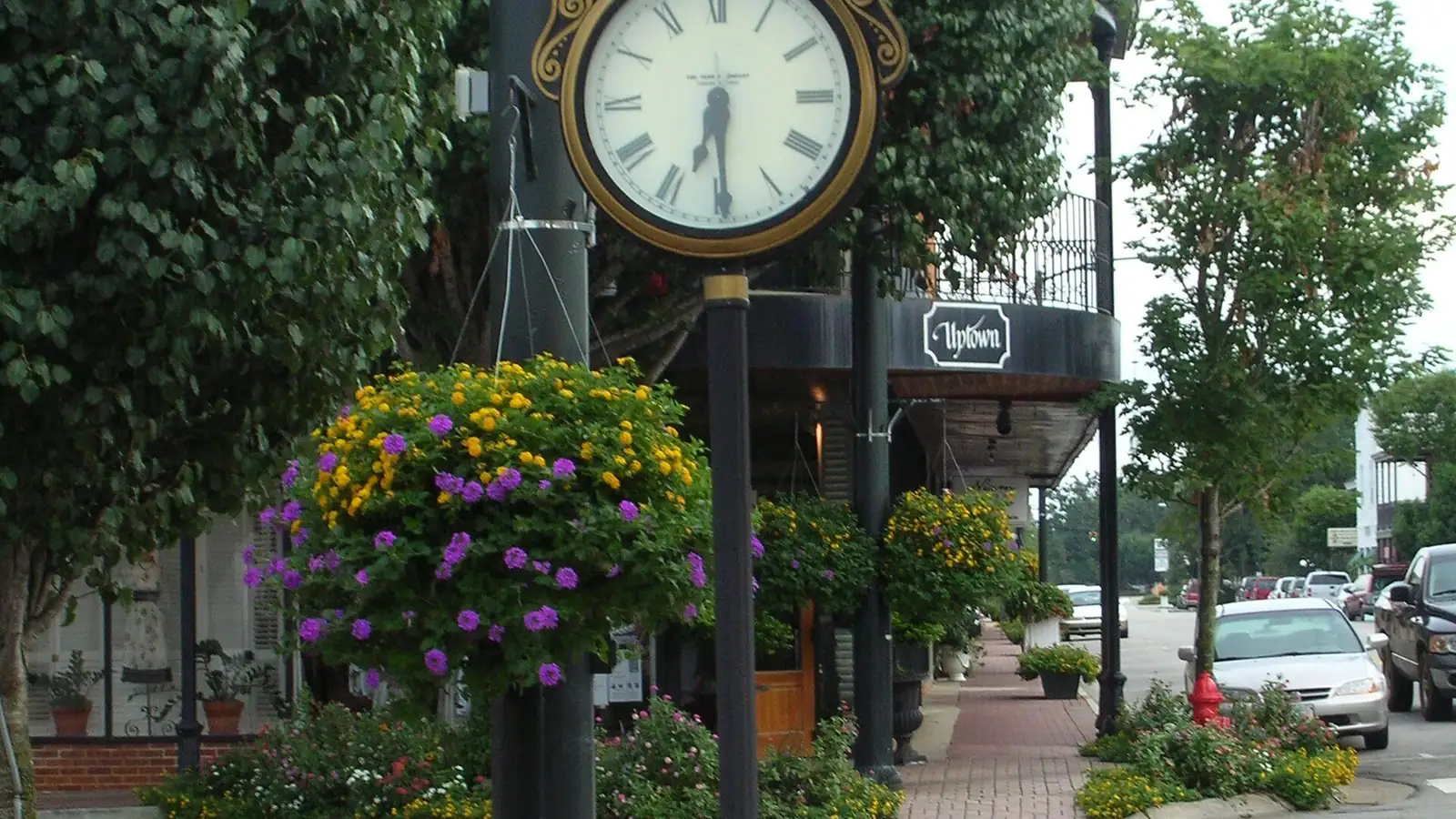
Fairhope’s charm is its age contrast, and that contrast matters for termites more than almost anything else covered on this page. The historic downtown blocks near Fairhope Avenue, Section Street, and the bluff above the Fairhope Pier are full of pier-and-beam cottages built when sill plates sat directly on brick piers just inches off bare soil — decades of settling, moisture, and live-oak root growth later, that gap has closed on plenty of homes. A few streets over, the garden-district infill lots and newer construction filling in toward Volanta Avenue are almost entirely slab-on-grade, built to current code with a fresh soil treatment. Both sit in the same regional pressure zone; they just hide activity differently.
- Formosan termites are established on this stretch of the bay. The bayside corridor running through Fairhope has carried documented Formosan subterranean termite activity for years — colonies that run several times larger than native subterraneans, with heavy evening swarms in May and June around porch lights near the bluff and downtown.
- Historic pier-and-beam homes hide activity in the crawlspace. Original wood sills in contact with soil, humid under-house air, and mature live-oak root systems create ideal mud-tube conditions that a walk around the yard will never reveal.
- Newer slab infill hides activity behind concrete. Garden-district slabs built in the last several years still rely on a builder soil treatment with a limited service life — subterranean termites find plumbing penetrations and expansion joints just like anywhere else once that treatment ages out.
Neither risk is worse than the other. They’re just different, and an inspector who only checks one construction type is checking half of Fairhope.
Wings on the windowsill near the bluff or downtown in May or June?
Warm, humid evening swarms along Fairhope’s bay-facing streets are classic Formosan behavior, and an indoor swarm usually means the colony is already in or against the structure. Leave the wings in place — they help the operator confirm species — and call (888) 295-0220. The line is open 24/7, and the company you’re connected with confirms its own timing with you.
What the inspector checks — and why it depends on your block
A real Fairhope inspection is a plan built around construction type, not a generic walkthrough.
Historic sills & crawlspace
On downtown and bluff pier-and-beam cottages: original sill plates where they meet the piers, crawlspace humidity, and mud tubes climbing from soil to the sill line — areas a from-the-yard look can’t reach.
Garden-district slab perimeter
On newer garden-district and infill slabs: exposed slab edge, expansion joints, and the bath trap where plumbing passes through concrete — the single most common hidden entry on Fairhope slab homes.
Interior tells & attic
Baseboards tapped for hollowness, window and door frames probed, and the attic checked for drywood pellets or Formosan carton material, regardless of which foundation type the home has.
Buying or selling in Fairhope? The letter matters here.
Fairhope’s resale market moves at a brisk pace, and lenders commonly require a WDO (wood-destroying organism) report — the “Section 1 termite letter” — before closing, whether the home is a historic downtown cottage or a new garden-district build. Only a local pest control company can perform that inspection and issue the letter. Two practical Fairhope-specific notes:
- Historic homes need the crawlspace actually opened. Ask whether the inspector went under the house and checked the sill-to-pier connection directly, or just looked at visible framing from inside — the honest ones tell you exactly what they accessed.
- Newer construction still needs a real letter inspection. A builder’s soil treatment has a service life, and Formosan pressure on this part of the bay doesn’t discriminate by build year.
After any inspection — clear or not — expect a written report, photos of anything flagged, and a species-based treatment recommendation if activity is found. Verify any operator’s license with the Alabama Department of Agriculture & Industries Pesticide Management Section before hiring.
Already have a termite bond on your Fairhope home? Your annual bond inspection covers most of what’s on this page — but bonds lapse quietly when historic homes change hands in a busy resale market. If you bought recently and can’t name your bond company, that’s worth a coverage check soon. Check common entry points →
Buying an older Fairhope house?
Call, enter your 5-digit ZIP on the keypad, and get connected live with a local pest control company. Free to call, 24/7.
Termite inspections in Fairhope — what do homeowners ask?
Are you a termite company?
No. Mobile Alabama Exterminators is a free referral line. We connect you with independent termite operators serving Fairhope and the Eastern Shore who perform every inspection and treatment.
How much does a termite inspection cost in Fairhope?
Each independent operator sets their own pricing — standard inspections and WDO letters for closings are quoted before booking. The call is free.
My home is a historic pier-and-beam cottage downtown — is inspection different?
Yes. The inspector focuses on the crawlspace, sill-to-pier connections, and under-house humidity instead of a slab perimeter, since that’s where activity hides on older Fairhope homes.
Is Formosan termite pressure really a concern in Fairhope?
Yes. The bayside corridor through Fairhope has documented Formosan subterranean termite activity, with colonies larger than native subterraneans and heavy swarms in May and June.
Do newer garden-district homes on slabs need inspection too?
Yes. Builder soil treatments have a limited service life, and Formosan pressure in this area affects new and old construction alike.
Do I need a termite letter to sell my house in Fairhope?
If the buyer’s lender requires a WDO report — and most do in this market — yes, effectively. A local pest control company performs the inspection and issues the Section 1 letter.
What happens if the inspection finds termites?
The operator identifies the species (native subterranean, Formosan, or drywood), maps the activity, and quotes a treatment suited to your construction type.
Check the company before treatment starts
In Alabama, companies that do structural pest control, including household pest, termite and fumigation work, must hold a Professional Services license from the Alabama Department of Agriculture and Industries (ADAI). Ask for the company’s license and the name of its certified operator, and check with the ADAI Professional Services program before work starts.
Get the treatment plan, the products to be used, any follow-up visits and the price in writing. For termite work, ask what the contract covers, whether it’s retreatment only or includes repair of damage, and how long it lasts.
How the call works
- Call (888) 295-0220. Any time, day or night.
- Enter your 5-digit ZIP code on your phone’s keypad when prompted.
- Get connected live with a local pest control company that serves your ZIP. Describe what happened and ask when they can come out and what the job will cost.
Mobile Alabama Exterminators is a free referral line that connects callers with independent local pest control companies. We don’t perform the work. The company you’re connected with gives the quote, does the work and stands behind it.