You move a stack of towels or pull a box down from the attic, and a small, metallic, teardrop-shaped insect wriggles away in a quick, fish-like motion before disappearing into a crack. That is a silverfish — and while it is harmless to you, it is telling you something specific about your home. In Mobile and across the Gulf Coast, silverfish are less a random nuisance than a living humidity gauge, and where you find them is a clue to where moisture is building up.
Dealing with a pest problem right now?
📞 Call now — get matched with a licensed local exterminator: (888) 295-0220When you call, stay on the line for a few seconds while we match you with the licensed local exterminator for your area. Have your address and a quick description of the problem ready.
Licensed local pros · Fast response, subject to availability · No obligation
This guide explains what a silverfish sighting is really signaling, where these insects hide in coastal Alabama homes, what they eat, the moisture-first fixes that actually starve the problem, and the point at which the do-it-yourself approach runs out and a licensed exterminator earns the visit.
What Is a Silverfish Telling You?
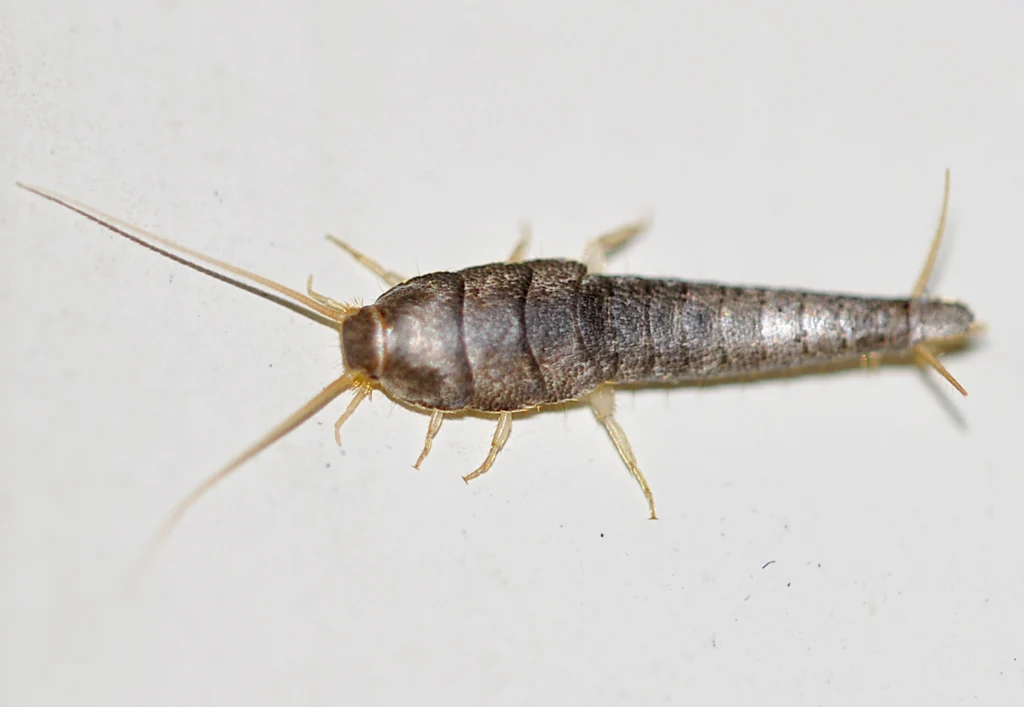
A silverfish is a small, wingless insect — usually a quarter to half an inch long — with a silvery-gray, scaled body that tapers from front to back like a teardrop or a tiny fish, three bristle-like tails at the rear, and a distinctive side-to-side, darting movement. They are nocturnal, they avoid light, and they are quick, which is why most people only ever catch a glimpse.
The single most useful fact about silverfish is that they depend on humidity. They thrive in damp environments and are drawn to areas with high relative humidity — generally above 75 to 80 percent — and they struggle to survive and reproduce in dry air. That dependence is exactly why they are such a common indoor insect on the Gulf Coast: Mobile’s warm, humid climate keeps indoor moisture elevated for much of the year, and the bathrooms, attics, and laundry rooms of local homes routinely sit in the range silverfish favor.
So a silverfish is not just a bug — it is a signal. Finding them tends to mean a part of your home is staying damper than it should, and treating the moisture is both the cure for the silverfish and a good idea for the house in its own right, since the same conditions invite mold and wood problems.
Where They Hide in Mobile Homes
Silverfish concentrate wherever it is dark, undisturbed, and damp, which in a coastal home means a predictable short list of hiding spots.
Bathrooms are the classic location — under sinks, behind the toilet, in the cabinet beneath the vanity, and around tubs and showers where steam and splashing keep humidity high. Attics are the other big one in this climate; a poorly ventilated attic traps hot, moist air, and silverfish settle into stored boxes, insulation, and old paper. Laundry rooms combine warmth and moisture from the washer and dryer, and closets — especially ones against an exterior wall or in an older home — hold the still, humid air silverfish like, tucked among clothing, linens, and stored books. Garages and storage areas full of cardboard round out the list. If you are seeing silverfish in more than one of these areas, it is a sign that elevated humidity is a whole-home pattern rather than a single damp corner.
What Feeds Them
Silverfish have an unusual diet that explains where they turn up and why they can quietly damage your belongings. They feed on carbohydrates and starches, with a particular appetite for the materials that surround paper and packaging: the cellulose in paper itself, the glue and starch in book bindings, wallpaper paste, and cardboard, and the sizing in fabrics. They will also feed on dry pantry goods like flour, cereal, and oats, and on dead insects.
That diet is why a silverfish problem often shows up as damage to stored items — yellowed, notched edges on old books and documents, small irregular holes in paper, grazed wallpaper seams, and nibbled cardboard boxes in the attic or garage. It is also a practical lever for control: the cardboard boxes most of us store paper, books, and seasonal items in are simultaneously a food source and a humid hiding place, which makes them a magnet you can remove.
One call reaches a licensed, local exterminator who covers your address — and a real person answers, 24/7.
The Humidity Fix
Because silverfish live and die by moisture, the most effective control strategy is to dry out the spaces they favor. Take away the humidity and you take away their ability to survive and reproduce — you starve the problem at its root rather than chasing individual insects.
Start by lowering the humidity in the rooms where you see them. A dehumidifier in a damp bathroom, closet, laundry room, or storage area pulls the relative humidity down out of the range silverfish need, and in a coastal climate that runs humid much of the year, a dehumidifier is often the single highest-impact step. Ventilation does the same work: run bathroom exhaust fans during and after showers, make sure the dryer vents fully to the outside, and improve airflow in the attic and closets so moist air does not stagnate.
Then fix the moisture sources. Repair dripping faucets and the slow leak under the sink, address any roof or plumbing leaks feeding the attic, and seal gaps around pipes and along baseboards where damp air and insects both travel. Finally, remove the harborage and the food: swap cardboard storage boxes for sealed plastic bins, store books, paper, and pantry starches in closed containers, declutter the dark corners silverfish hide in, and vacuum the cracks and edges of the rooms where you have seen them. Together, these steps turn a hospitable, humid, paper-filled environment into a dry, sealed one that silverfish cannot establish in.
When DIY Won’t Finish It
The drying-and-decluttering approach resolves a lot of silverfish problems, but it has limits — and in a coastal home, those limits show up faster than you might expect. The honest difficulty is that lowering humidity in a Mobile attic or an older bathroom is easier said than done; the climate is constantly pushing moisture back in, and some damp spaces are hard to reach or ventilate well.
If you are still finding silverfish after you have addressed the obvious moisture and storage issues, or you are seeing them in several rooms, the population is likely established in voids and hidden spaces — inside walls, deep in attic insulation, beneath subflooring — where humidity stays high and your fixes do not reach. That is the point to bring in a licensed exterminator. A pro can assess where the moisture and harborage actually sit, apply targeted treatments in the cracks, voids, and entry points that DIY cannot effectively reach, and advise on the moisture corrections that will keep the problem from re-establishing. The exterminators in our network handle this through silverfish control in Mobile, AL as part of a broader pest control plan, and you can review the full set of accepted pests we connect homeowners with pros for. If you have pets or children, ask the exterminator about pet-safe options and where products will be placed when you reach them.
One call reaches a licensed, local exterminator who covers your address — and a real person answers, 24/7.
Frequently Asked Questions
What attracts silverfish to a house? Above all, humidity — silverfish thrive where relative humidity sits high, generally above 75 to 80 percent, which is why damp bathrooms, attics, and laundry rooms attract them. They are also drawn to their food sources: paper, cardboard, book bindings, wallpaper paste, and pantry starches. Damp, dark, cluttered spaces full of paper are the perfect combination.
Why do I have silverfish in my Mobile bathroom? Bathrooms hold the humidity silverfish need, thanks to showers, baths, and sinks, and they offer dark hiding spots under the vanity and behind fixtures. In Mobile’s humid climate that moisture lingers, making the bathroom one of the most common places to find them. Better ventilation and a drier room are the fix.
Are silverfish harmful to people? No. Silverfish do not bite, sting, or transmit disease, and they are not dangerous to people or pets. Their harm is to belongings — they feed on paper, books, wallpaper, cardboard, and stored fabrics, and a sustained population can damage documents, photos, and seasonal storage over time.
How do I get rid of silverfish for good? Reduce the humidity, then remove their food and hiding places. Use a dehumidifier and better ventilation in damp rooms, fix leaks, seal cracks, swap cardboard storage for sealed plastic bins, and store paper and pantry starches in closed containers. For a problem that persists after these steps, a licensed exterminator can treat the hidden voids where they harbor.
Do silverfish mean my house has a moisture problem? Often, yes. Because silverfish depend on high humidity, finding them — especially in multiple rooms — usually signals that part of the home is staying damper than it should. Addressing that moisture protects against silverfish and also reduces the risk of mold and wood damage, so it is worth investigating the source.
Where do silverfish come from in the attic? A poorly ventilated attic traps hot, humid air and stores cardboard boxes, paper, and insulation — humidity plus food plus shelter, which is everything silverfish want. They reach the attic through gaps, vents, and wall voids, then settle into stored items. Improving attic ventilation and switching to sealed storage bins removes the welcome.
Can I prevent silverfish in a humid climate like Mobile’s? You can make your home far less hospitable even on the coast. Running dehumidifiers and exhaust fans, venting the dryer and attic properly, fixing leaks promptly, sealing entry gaps, and avoiding cardboard storage keep indoor humidity and harborage low enough that silverfish struggle to establish, though the persistent coastal moisture is why some homes benefit from professional help.
MobileAlabamaExterminators.com is a dispatch service. We connect callers with licensed Alabama exterminators. We are not a licensed pest control company. The disclaimer in our site footer and our 24/7 dispatch caveat apply to this page.