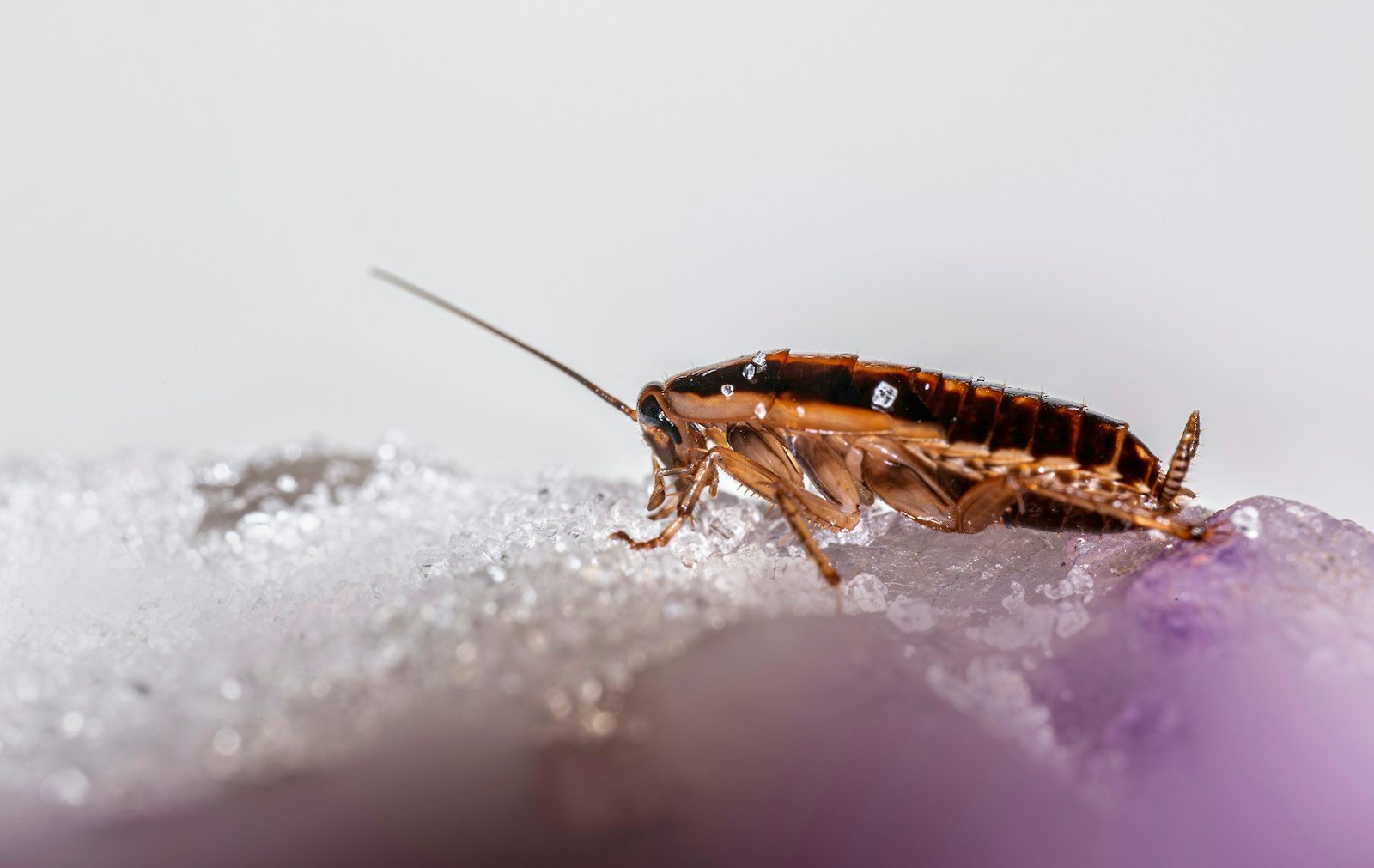
You flip on the kitchen light at 11 p.m., something the size of your thumb skitters across the counter, and your stomach drops. If you live in Mobile or anywhere along the Baldwin County coast, that reddish-brown insect is almost certainly a palmetto bug — and you are not doing anything wrong to attract it. These roaches are part of the Gulf Coast landscape, and the warm, humid air that makes the Eastern Shore so pleasant is the same thing that keeps them breeding outdoors nearly year-round.
Dealing with a pest problem right now?
📞 Call now — get matched with a licensed local exterminator: (888) 295-0220When you call, stay on the line for a few seconds while we match you with the licensed local exterminator for your area. Have your address and a quick description of the problem ready.
Licensed local pros · Fast response, subject to availability · No obligation
The good news is that palmetto bugs getting indoors is a solvable problem once you understand how they are getting in and what is drawing them. This guide decodes what a “palmetto bug” actually is, walks through the entry routes that matter most in coastal Alabama homes, separates the fixes you can handle this weekend from the ones that need a licensed exterminator, and tells you exactly what to point out when you reach a pro.
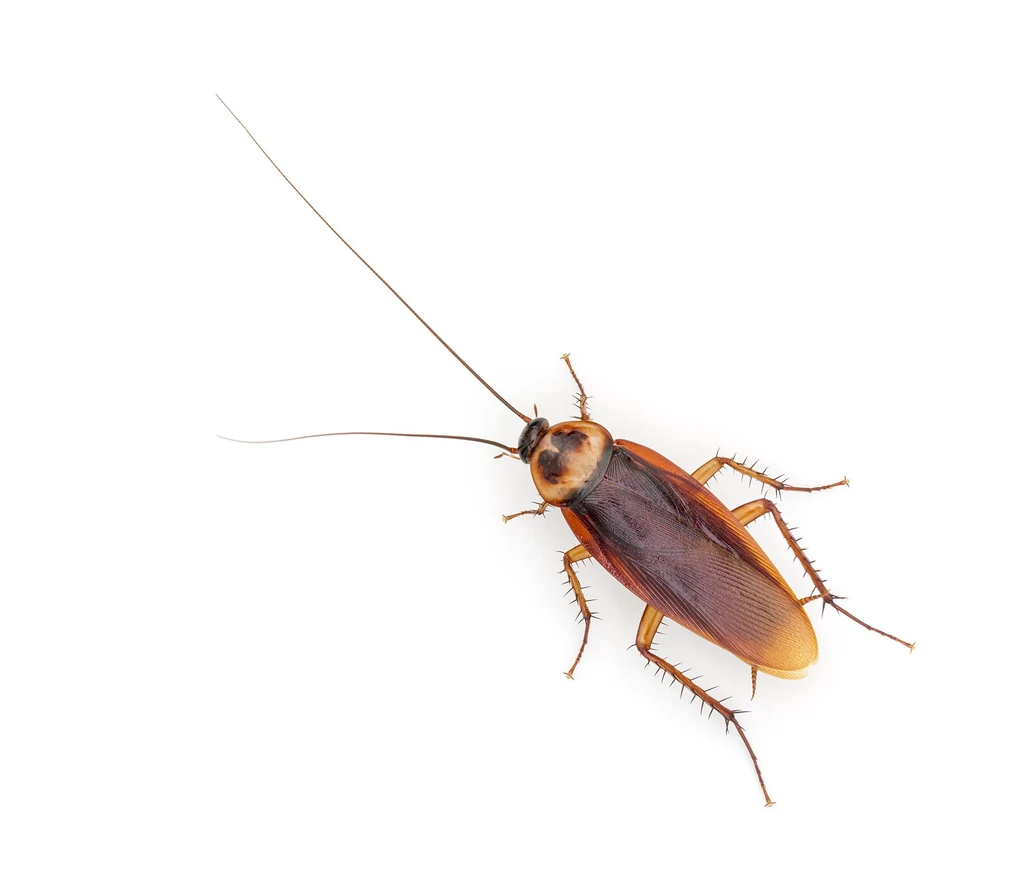
Palmetto Bug = American Cockroach (the Name Decoded)
“Palmetto bug” is a Southern euphemism, not a separate species. In most Mobile-area homes the bug behind the name is the American cockroach — a large, reddish-brown insect that runs about 1.5 inches long, with a pale figure-eight or yellowish band marking just behind the head. Occasionally the culprit is the smokybrown cockroach, which is darker and a strong flier, but the behavior and the fixes overlap heavily.
What these roaches have in common matters more than the labels. They are peridomestic — they live and breed primarily outdoors, in mulch beds, woodpiles, palm trees, sewers, and the damp space under and around your house, and they come inside as visitors looking for water, food, or shelter from heat and flooding. That distinguishes them sharply from the small German cockroach, which actually breeds indoors in kitchens. Knowing which fight you are in changes how you respond, and it is worth reading up on the American cockroach and palmetto bug in Mobile so you can be sure of what you are looking at.
Because palmetto bugs originate outside, seeing one or two on an evening is common in this climate and does not by itself signal an infestation. A pattern — several a week, multiple rooms, or sightings in daylight — is the signal that an outdoor population has found a reliable way in and is worth treating as more than a nuisance.
The Gulf Coast Entry Routes
Palmetto bugs do not chew through walls. They exploit openings your house already has, and a handful of routes account for the large majority of indoor sightings in Mobile and Baldwin County homes.
Sewer and plumbing lines
This is the route people least expect and the one that matters most for the American cockroach. These roaches thrive in sewers and drain systems, and they travel along plumbing lines into homes through floor drains, the gaps around pipe penetrations under sinks, and dry P-traps in guest bathrooms or laundry rooms that rarely get used. A drain that has sat unused for weeks loses the water seal that normally blocks the line, and that open pipe becomes a private entrance. If your sightings cluster in bathrooms, the laundry room, or near the kitchen sink, the plumbing is the first place to look.
Gaps at doors, windows, and utility penetrations
Coastal homes settle, weatherstripping ages, and the Gulf humidity is hard on door sweeps and caulk. A worn threshold under an exterior door, a torn window screen, or the unsealed gap where the AC line set, cable, or a water spigot passes through the wall is plenty of room for a flattened roach to squeeze through. Garages are a frequent staging area, because the bottom of a garage door rarely seals tightly and the space connects to the living area through an interior door.
Overhanging trees and shrubs touching the roofline
American and smokybrown roaches are climbers, and vegetation that touches your roof or siding is effectively a bridge. Live oak limbs over the roof, palm fronds against a gable, shrubs pressed against the foundation, and ivy on a wall all give roaches a sheltered, humid highway from the yard up to soffit gaps, attic vents, and second-floor windows. In Mobile’s tree-dense older neighborhoods this is one of the most overlooked contributors to a recurring indoor problem.
Why Does Mobile See Them Year-Round?
In much of the country, cold winters knock back outdoor roach populations for several months. The Gulf Coast does not get that reset. Mobile’s warm, humid climate keeps American and smokybrown cockroaches active and reproducing across most of the year, so the outdoor population pressing against your house never really goes away — it just rises and falls with the heat and the rain.
Two weather patterns push them indoors in waves. Heat is one: when summer temperatures spike, roaches seek the cooler, moister refuge of a wall void or a drain. Water is the other, and it cuts both ways. Heavy rain and street flooding drive roaches up out of sewers and saturated mulch looking for dry shelter, while a dry stretch sends them inside hunting for moisture. Either way, your air-conditioned, plumbed home is an appealing target. This “why now” rhythm is why a home can be quiet for weeks and then see a sudden cluster of sightings after a storm or a heat wave — it is not that you let things slip, it is the coastal calendar at work.
One call reaches a licensed, local exterminator who covers your address — and a real person answers, 24/7.
The Fixes You Can Do Yourself vs. What Needs a Pro
Palmetto bug control works as a layered effort: shut off the water and entry points yourself, and bring in a professional when the activity is heavy, recurring, or coming from harborage you cannot reach.
What you can handle this weekend
Start with moisture, because these roaches are chasing water as much as food. Fix dripping faucets and the slow leak under the sink, run the bath and bathroom fans to cut humidity, and pour a little water down any drain you rarely use so the P-trap keeps its seal. Empty unused floor drains of debris and consider a drain cover for the ones you do not use.
Next, close the doors. Replace worn door sweeps and weatherstripping, re-caulk around exterior trim, and seal the gaps where pipes, cables, and the AC line set enter the wall with an appropriate sealant or copper mesh. Screen attic and crawlspace vents.
Then deal with the yard, because outdoor harborage is what feeds indoor sightings. Trim tree limbs and shrubs back off the roof and siding, move firewood and mulch piles away from the foundation, keep gutters clear so water does not pool against the house, and tighten the lids on outdoor trash. Inside, simple sanitation — sweeping crumbs, not leaving pet food out overnight, taking out the trash — removes the food that turns a visitor into a regular.
What needs a licensed exterminator
When you are seeing palmetto bugs several times a week, in multiple rooms, or during the day, an established harborage is producing them faster than door-sealing alone can keep up — and that nest is usually somewhere you cannot easily get to, like a wall void, a sewer connection, a crawlspace, or a soffit. Heavy or recurring activity is the point to bring in a pro. A licensed exterminator can identify the harborage, apply targeted products in the right places, treat the exterior perimeter and entry points, and set a maintenance rhythm that accounts for Mobile’s year-round pressure. The exterminators in our network handle this through cockroach control in Mobile, AL as part of broader pest control in Mobile, AL. If you have pets or small children, ask the exterminator about pet-safe options and placement when you reach them.
What to Point Out to the Exterminator
A short period of observation before you reach a pro makes the visit far more productive, because it points them straight to the source instead of the symptom.
Tell them where you see the roaches — kitchen, specific bathrooms, laundry, garage — because clustering reveals the entry route. Note when: time of day and whether sightings spiked after a recent storm, a heat wave, or a plumbing change. Mention size and number: one large roach occasionally is a different situation than a dozen in a week. Flag any moisture issues you know about, like a slow leak, a damp crawlspace, or a bathroom that rarely dries out. And describe the outdoor setting — tree limbs over the roof, a mulch bed against the foundation, a woodpile by the back door — so the pro can address the harborage and not just the indoor stragglers. The more specific you are, the more targeted the treatment can be.
One call reaches a licensed, local exterminator who covers your address — and a real person answers, 24/7.
Frequently Asked Questions
Are palmetto bugs and cockroaches the same thing? Essentially, yes. “Palmetto bug” is a regional nickname for large peridomestic roaches, most often the American cockroach and sometimes the smokybrown. They are true cockroaches that live mainly outdoors and come inside as visitors, which makes them different from the German cockroach that breeds indoors.
Why do I keep seeing palmetto bugs at night in my Mobile home? Palmetto bugs are most active after dark, so nighttime is simply when you notice them. Repeated sightings usually mean an outdoor population has found a reliable entry point — often a sewer or drain line, a gap around plumbing, or vegetation touching the roof — and is coming in for water or shelter.
Does seeing one palmetto bug mean I have an infestation? Not necessarily. Because these roaches originate outdoors, an occasional single sighting is common in the Gulf Coast climate. A pattern — several a week, multiple rooms, or roaches out in daylight — is the sign that an established harborage is producing them and the situation is worth treating.
What attracts palmetto bugs into a house? Mainly moisture, then food and shelter. Leaky plumbing, high humidity, unused drains with dry traps, and damp crawlspaces draw them in, while crumbs, pet food, and accessible trash keep them coming back. Outdoor harborage like mulch, woodpiles, and overhanging limbs feeds the population pressing against the house.
How do I keep palmetto bugs out for good? Reduce moisture, seal entry points, and manage the yard. Fix leaks and keep drains sealed, replace worn door sweeps and caulk, screen vents, trim vegetation off the roof, and move mulch and firewood away from the foundation. For a heavy or recurring problem, a licensed exterminator can treat the harborage and perimeter that DIY cannot reach.
Why do palmetto bugs come inside after it rains in Mobile? Heavy rain and flooding drive roaches up out of sewers and saturated soil and mulch in search of dry shelter, and your home is the nearest refuge. This is why sightings often spike in waves right after a storm even in a home that has been quiet.
Can palmetto bugs come up through drains and toilets? Yes. American cockroaches travel through sewer and plumbing lines and can enter through floor drains and the gaps around pipes, especially where a rarely used drain has lost the water seal in its trap. Keeping traps filled and drains covered closes that route.
Are palmetto bugs dangerous? They are not aggressive and do not sting, but like all cockroaches they can carry bacteria across surfaces and their debris can aggravate allergies and asthma in sensitive people. That makes keeping them out of kitchens and bathrooms a hygiene priority, not just a comfort one.
MobileAlabamaExterminators.com is a dispatch service. We connect callers with licensed Alabama exterminators. We are not a licensed pest control company. The disclaimer in our site footer and our 24/7 dispatch caveat apply to this page.