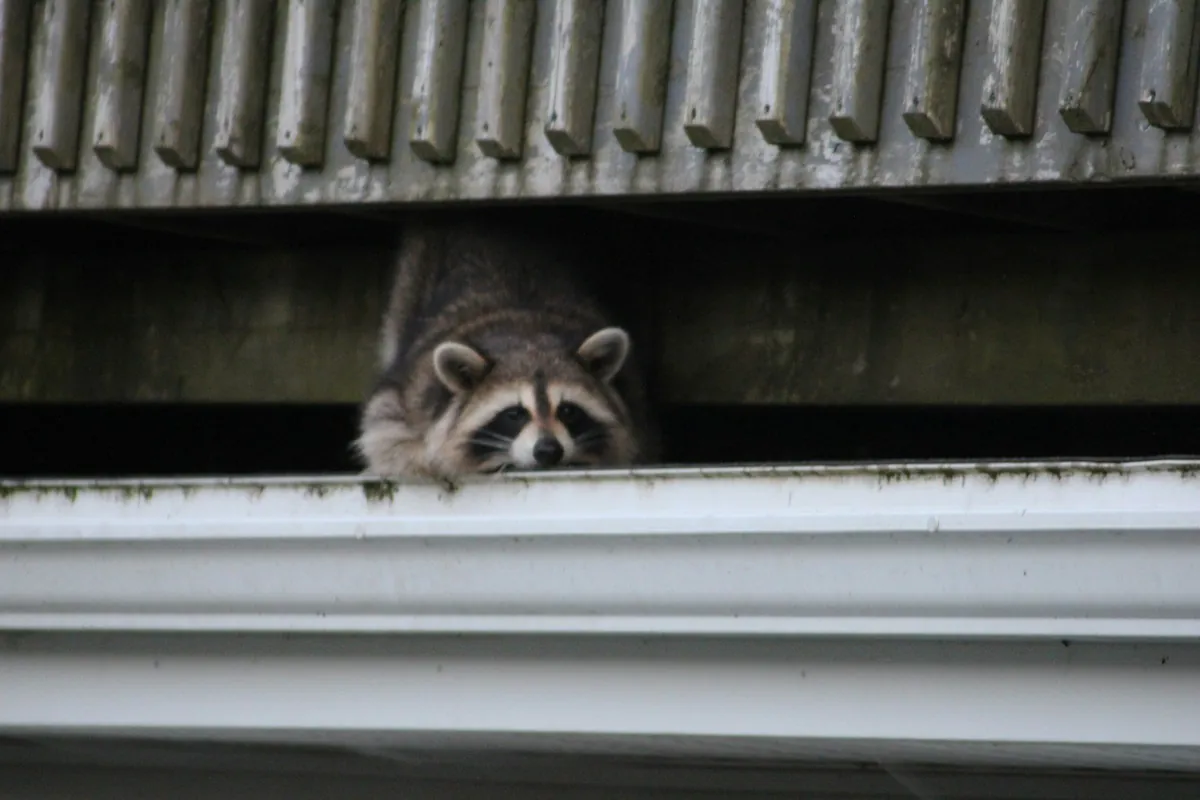
Wildlife removal in Mobile, AL — raccoon, opossum, squirrel & bat
Raccoon in the attic, opossum under the deck, bats in the eaves. Alabama routes this work to a state-permitted wildlife control operator who traps, excludes, and cleans up — legally and safely.
Dealing with a pest problem right now?
📞 Call now — get matched with a licensed local exterminator: (888) 295-0220When you call, stay on the line for a few seconds while we match you with the licensed local exterminator for your area. Have your address and a quick description of the problem ready.
Licensed local pros · Fast response, subject to availability · No obligation
Find the right operator
Wildlife work goes to a state-permitted operator — here’s how to find one.
Who handles wildlife calls in Alabama
Trapping and relocating raccoons, opossums, squirrels, and bats is regulated wildlife work — it belongs with a state-permitted operator, not a household pest route. Find one on the ADCNR permitted nuisance wildlife control operator list.
Scratching in the attic? In Mobile it’s roof rats far more often than raccoons — and that is a call we dispatch. Start with rodent control in Mobile, AL —, 24/7.
Free to use · No obligation to hire anyone
Note: this line is for raccoon, opossum, and bat wildlife issues specifically. If your issue is ants, roaches, termites, rodents indoors, or other general household pests, use our main pest match instead.
Two licenses, two bodies of work — pest control vs wildlife control in Alabama.
The first thing to understand about Mobile-area wildlife removal is that it is not the same regulatory category as pest control. Alabama splits the two:
ADAI (Alabama Department of Agriculture and Industries) licenses pest control operators in three primary categories — Household Pest Control (HPC) for ants, roaches, mosquitoes, fleas, rodents and general structural pests; Wood Destroying Organism (WDC) for termites and the WDIR letters that go with closings; and Fumigation (FC) for whole-structure fumigation work. These are the licenses that cover the bug-and-rodent calls on most of this site — see our rodent control in Mobile, AL page for the ADAI side of rat and mouse activity that sometimes gets confused with wildlife calls.
ADCNR (Alabama Department of Conservation and Natural Resources) licenses Wildlife Control Operators (WCO) for nuisance wildlife — raccoon, opossum, squirrel, beaver, fox, coyote, snake removal, mole trapping, and bat exclusion. ADCNR also administers state game and protected species regulations including (more on that below).
Some operators carry both licenses. Many specialize in one or the other. When you request dispatch for what sounds like a wildlife situation, the operator on the line will route you to a WCO. When you request dispatch for what sounds like rodents (rats, mice) or structural pests, the operator routes to an ADAI HPC. The lines are not always perfectly clean — roof rats are an ADAI HPC call, but a raccoon in the attic is an ADCNR WCO call, and a “rodent” call that turns out to be squirrel can shift mid-conversation. For pests we currently service, see our general pest control in Mobile. Ground-dwelling lawn damage from moles is also handled under this wildlife category — see mole removal in Mobile, AL for the trapping-based approach used on tunneling and lawn mounds.
Ask which license the operator carries before signing anything. The license number is a real number that ADAI and ADCNR can verify if you have a complaint later.
Mobile, AL Nuisance Wildlife — Who Handles What
Raccoon (Procyon lotor) — the attic invader.
Raccoons are the single most consequential nuisance wildlife species in Mobile-area attics. Adults run 8 to 20 pounds, are intelligent, dexterous, and aggressive when cornered. They rip soffit panels apart, tear gable vents, push through weakened roof penetrations, and once inside an attic they can do thousands of dollars of damage in a few weeks.
The damage pattern.
Raccoons designate latrine sites — a single corner of the attic where the entire family group defecates and urinates. The accumulated waste is a biohazard. Baylisascaris procyonis (raccoon roundworm) eggs survive in dried feces for years and can cause severe neurological disease in humans if accidentally ingested via contaminated dust. Latrine cleanup is a separate scope from animal removal and not every WCO does it — ask. Tearing of insulation is universal: raccoons pull batting and blown-in into nesting clusters and trample the rest. R-value of attic insulation drops dramatically. Electrical wiring gets chewed, sometimes igniting attic fires. Drywall ceilings sometimes break under the weight of multiple raccoons. The repair bill for a serious raccoon attic intrusion in a Mobile home is routinely the largest line item in the whole job once you include insulation replacement, drywall repair, electrical, and exclusion — frequently more than the trapping that preceded it.
The rabies factor.
Raccoons are one of the primary rabies reservoir species in the eastern US. Alabama monitors raccoon rabies through ADPH wildlife rabies surveillance. Mobile County positive raccoon cases are reported most years. Behavioral signs of rabies in a raccoon: daytime activity in this nocturnal species, lack of fear of humans, aggression, neurological symptoms (stumbling, paralysis, vocalization). Any human or pet exposure to a suspected rabid raccoon is an ER and ADPH call (Mobile County Health Department), not just a wildlife removal call.
WCO scope.
A licensed Mobile-area WCO will trap the raccoons (live cage traps, sometimes lethal under specific scope) over a 7 to 14 day window depending on family group size — a single mature female with kits in an attic almost always means trap-and-relocate the mother and physically remove the kits by hand from the den site. Removal alone is not enough — the entry points have to be exclusion-sealed with hardware cloth, metal flashing, or steel-reinforced panels. Foam alone does not exclude a determined raccoon. Latrine cleanup, insulation replacement, and drywall repair are usually separate scopes; ask which the WCO includes.
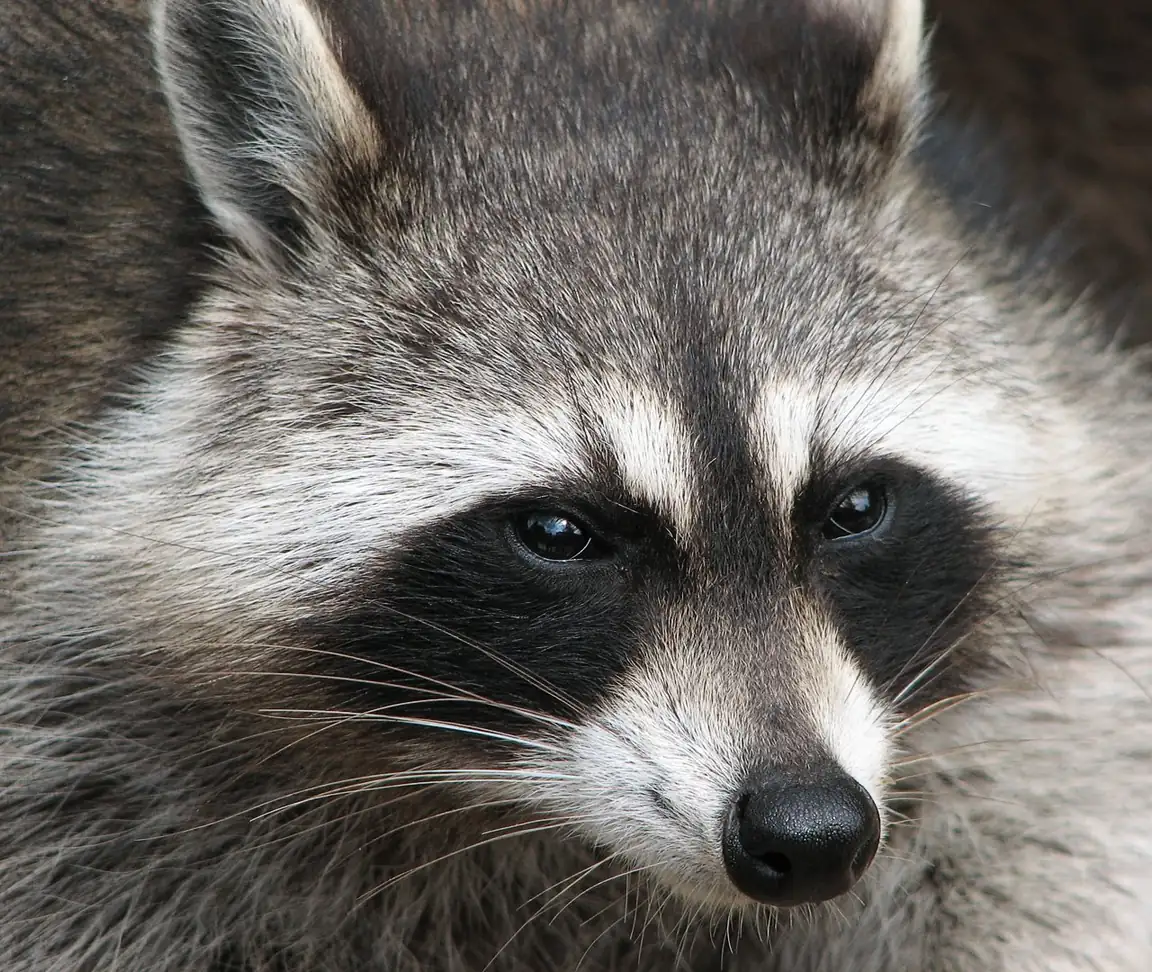
Raccoon in the attic right now?
Don’t try to trap or handle it yourself — raccoons carry rabies risk and Alabama regulates who can legally trap and relocate. Find an ADCNR-permitted wildlife control operator on the state list below.
Wildlife call? Find a state-permitted pro on the ADCNR permitted operator list. Rats or mice instead? Our rodent control dispatch for Mobile, AL covers that — free, 24/7.
Opossum (Didelphis virginiana) — under the deck, under the shed.
Opossums are the only marsupial in Alabama, slow-moving, primarily nocturnal, low intelligence (relative to raccoons), and generally non-aggressive. They are notable for one thing in the rabies discussion: their body temperature is too low to efficiently support rabies virus, making them an unusually low-risk species for rabies transmission. That does not mean they are harmless guests.
The problem they create.
Opossums den under decks, sheds, raised foundations, and crawl spaces. They bring fleas, mites, and sometimes lice with them, which can then move onto household pets — dogs and cats. They get into pet food left out on porches. They can carry leptospirosis. They sometimes get into chicken coops. Adult opossums playing dead (“playing possum”) is the well-known defensive behavior; they are not actually faking — it is involuntary catatonia triggered by stress. Mother opossums travel with joeys clinging to fur, which complicates trapping ethics (relocating a mother without the joeys means the joeys die).
WCO scope.
Live trap with bait, relocate per ADCNR rules. Exclusion under decks with hardware cloth skirt buried 6 to 12 inches below grade and extending out 18 inches as an L-shape (prevents digging under). Crawl space access points sealed with hardware cloth. Some operators bundle a flea treatment for the under-deck area to address the parasites the opossum brought in.
Mole — the yard is tunneling, not the attic.
Unlike raccoons, opossums, and squirrels, a mole problem shows up entirely in the lawn — raised surface tunnels and volcano-shaped mounds rather than any structural or attic damage. Moles hunt earthworms and grubs just below the surface, and Mobile’s moist, sandy-to-loamy coastal soil keeps the ground workable for tunneling through most of the year. Moles pose no direct health risk to people or pets, but the tunneling can damage lawn root systems and create trip hazards. Trapping in identified active tunnels, not the gimmick repellents sold at garden centers, is the approach that actually works. See our full mole removal in Mobile, AL guide for how an operator identifies active tunnels and sets traps.
Marsh-edge Mobile wildlife — cotton rat, marsh rabbit, otter, and the rest.
Marsh and delta-edge neighborhoods sit at the intersection of three habitat types — open water, freshwater and brackish marsh, and developed residential. The wildlife mix reflects that. WCOs who work the marsh-edge consistently see species that suburban inland Mobile operators rarely encounter, and the operator on the call should be able to ID what you describe over the phone before rolling a truck.
Beaver activity in Mobile-Baldwin drainages has been increasing over the past two decades as populations recover. Beavers build dams that back water up into yards, damage trees, and undermine bank stability. Beaver removal is its own ADCNR-permitted specialty and not every Mobile WCO does it — the work involves trap-and-relocate (under specific ADCNR rules) plus dam removal. Otters in residential canals are usually transient but occasionally take up residence near koi ponds or near docks where fish concentrate; otter removal under ADCNR rules is similar to beaver removal in licensing. Nutria (Myocastor coypus), a non-native semi-aquatic rodent established in Gulf marshes, occasionally appears in residential drainages and is considered a nuisance species without protected status.
Mobile-area wildlife is shaped by the Mobile-Tensaw Delta, the second-largest river delta in the US (after the Mississippi). Marsh-edge neighborhoods backing up to delta habitat, Dog River, Fowl River, Three Mile Creek, and similar drainages get a wildlife mix that suburban inland neighborhoods do not.
Cotton rat (Sigmodon hispidus) is an oversized rodent intermediate in size between a mouse and a rat, common in marsh-edge grasslands and sometimes appearing in suburban yards near marsh habitat. They are not the same as the Rattus species — different family, different behavior, generally outdoor. Marsh rabbit (Sylvilagus palustris) lives in saltwater and brackish marsh habitat and is occasionally seen in yards backing onto marsh. Otter (Lontra canadensis) shows up in Dog River and Fowl River residential canals, usually just passing through, sometimes raiding koi ponds. Beaver (Castor canadensis) populations exist in the Tensaw and tributaries and occasionally cause flooding issues with dam construction in residential drainages.
None of the above are typical “I have a wildlife problem” calls, but they show up in Mobile in ways they do not show up in Birmingham or Huntsville. WCOs operating in the Mobile-Baldwin area generally have working knowledge of all of them. Mention the species on the call so the operator can route appropriately.
Bat colony in the eaves or attic?
Bats are protected in Alabama — exclusion has to be timed around maternity season and done by someone who knows the permit rules. Use the state operator list below to find someone who handles exclusion correctly.
Wildlife call? Find a state-permitted pro on the ADCNR permitted operator list. Rats or mice instead? Our rodent control dispatch for Mobile, AL covers that — free, 24/7.
What should you ask a wildlife operator?
Licensing and scope questions.
- What species is in scope for your work? Some WCOs handle bats with specialized exclusion equipment; some do not. Some handle snakes; some refer.
Trap and relocate vs lethal questions.
- What is your standard approach — live trap and relocate, or lethal? Both are legal under varying ADCNR rules depending on species. The right answer is the one you are comfortable with. Ask before signing.
- Where do you relocate to? Reputable WCOs have established relocation protocols. The animal does not get dumped in a strip mall parking lot.
- How do you handle young (kits, joeys, pups)? Mother removal without addressing juveniles trapped in walls or dens leaves a body-recovery problem. Honest WCOs explain this up front.
Exclusion and damage questions.
- Is exclusion included in the price, or separate? Animal removal without exclusion means the next animal moves in. Get exclusion in scope.
- Do you do attic cleanup and biohazard remediation? Raccoon latrine cleanup is its own specialty. Bat guano removal similarly. Confirm scope.
- Do you coordinate with insulation contractors and drywall repair? Many WCOs partner with restoration contractors for the full attic remediation; some do everything in-house.
Timing questions.
- Is this a maternity-season-sensitive case? For raccoon (kits Mar-May), squirrel (pups Mar-May and Aug-Sep), and bat (maternity May-Aug), there are season-specific protocols. Honest WCOs explain why a delay or specific approach is being recommended.
Wildlife removal — what do Mobile homeowners ask?
Is wildlife removal the same license as pest control?
No. Wildlife control operators (WCO) in Alabama are licensed by ADCNR, not ADAI. The two licenses cover different scope. Pest control covers insects, rodents, and structural pests. Wildlife control covers nuisance wildlife — raccoon, opossum, squirrel, beaver, bat exclusion, snake, mole. Some operators hold both licenses; many do not. Ask which license the operator carries.
Should I call animal control for raccoon in the attic?
Mobile County Animal Shelter handles stray and abandoned domestic animals. Nuisance wildlife in residential structures is typically not their scope. ADCNR-licensed wildlife control operator is the right call for raccoon, opossum, squirrel in your attic. If rabies is suspected, call Alabama Department of Public Health Mobile County office in addition to the WCO.
Why are raccoons such a problem in Mobile attics?
Raccoons are large (8 to 20 pounds adult), highly dexterous, and Mobile homes have warm dry attics with abundant food nearby. Raccoon attic damage is severe: they tear soffit panels, rip insulation, urinate and defecate to create latrine sites that become biohazards, and the young can fall into wall voids and die. Raccoons can carry rabies and Baylisascaris procyonis roundworm.
What about opossum under the deck?
Opossums are the only marsupial in Alabama. They are generally less aggressive than raccoons, are low rabies risk, and provide some ecological benefit. Under-deck and crawl-space denning is a real problem because they bring parasites into proximity with pets. WCO will trap and relocate, then exclude the den site with hardware cloth skirt around the deck.
Is a mole problem different from other wildlife calls?
Yes — moles only affect the lawn, not the structure. They tunnel just below the surface hunting earthworms and grubs, and Mobile’s coastal soil keeps conditions favorable most of the year. Trapping in active tunnels is the standard, reliable approach; see our mole removal guide for details.
How does bat exclusion work?
Bats are protected in Alabama and cannot be relocated or killed except under specific permit. Exclusion is the legal approach: identify entry points, install one-way exit valves, then permanently seal openings after the colony has departed. Maternity season (May through August in Mobile) is a wait-period.
What does wildlife removal cost in Mobile, AL?
Pricing varies by species, structure access, and exclusion scope, and the state-permitted operator sets it after inspecting. What actually moves the number: raccoon work is priced on how many animals are in the attic, whether there is a litter, and how much insulation and drywall the entry point has already cost you. Opossum work is usually the trapping plus sealing the deck skirt or crawl space opening that let it under in the first place. Squirrel work is priced on the number of entry points along the roofline, not the number of animals. Bat exclusion is the most variable of all — it is priced on roof complexity, linear feet of ridge and soffit that has to be sealed, and the summer maternity window Alabama requires operators to work around.
Raccoon, opossum, squirrel, or bat — get the right license on it.
Free to check coverage, free to get matched, no obligation. The ADCNR-licensed wildlife control operator handles the trapping, exclusion, and cleanup.
Wildlife call? Find a state-permitted pro on the ADCNR permitted operator list. Rats or mice instead? Our rodent control dispatch for Mobile, AL covers that — free, 24/7.
Prefer to send details first? Use the contact form →
About this service. Mobile Alabama Exterminators is a dispatch and matching service. We answer the phone 24/7 and route callers to licensed Alabama wildlife control operators (ADCNR Wildlife Control Operator) and pest control operators (ADAI HPC, WDC, FC) serving Mobile and Baldwin County. We are not a licensed wildlife or pest control company. We do not trap, relocate, exclude, or warranty wildlife or pest control work. For calls, we route callers to AWFF Nuisance Program. For suspected rabies exposure, we route callers to Alabama Department of Public Health and recommend ER evaluation. Free to get matched. The licensed operator gives the quote.
Mobile Alabama Exterminators is a free dispatch service that connects Mobile and Baldwin County homeowners with independent, ADAI-licensed pest control operators. We are not the treatment provider and do not perform inspections or treatments ourselves, and we do not guarantee specific results, pricing, or appointment availability. Requests are routed to participating local operators during their normal business hours; 24/7 availability is not guaranteed.