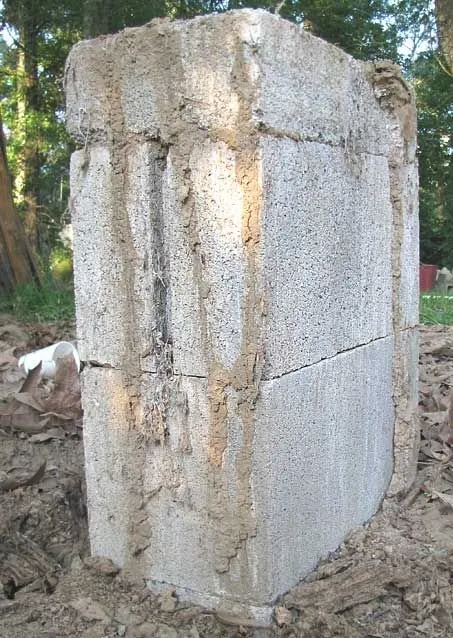
Sentricon in Mobile, AL — how bait systems actually work.
You’ve seen the little green-capped stations around your neighbors’ yards in West Mobile and Daphne and wondered what they do. Here’s the plain-English version of how the Sentricon system works, how bait compares with liquid treatments, and how to reach an independent, ADAI-licensed termite operator through this free 24/7 dispatch line to find out which approach fits your house. They inspect, they quote, they treat. You decide.
Free to check coverage. ADAI-licensed operators serving Mobile & Baldwin County, AL.
Check your ZIP first
Enter your Mobile-area ZIP to confirm coverage, then tap to call.
Free to use · No obligation to hire anyone
What Sentricon is — and how bait differs from liquid
Sentricon is a termite bait-station system made by Corteva Agriscience. (Plain disclosure: this site is a dispatch service with no affiliation with Corteva — we’re describing the system factually because Mobile homeowners ask about it constantly.) The idea is simple and genuinely different from spraying: instead of putting a chemical between the termites and your house, bait stations put a slow-acting bait into the colony itself.
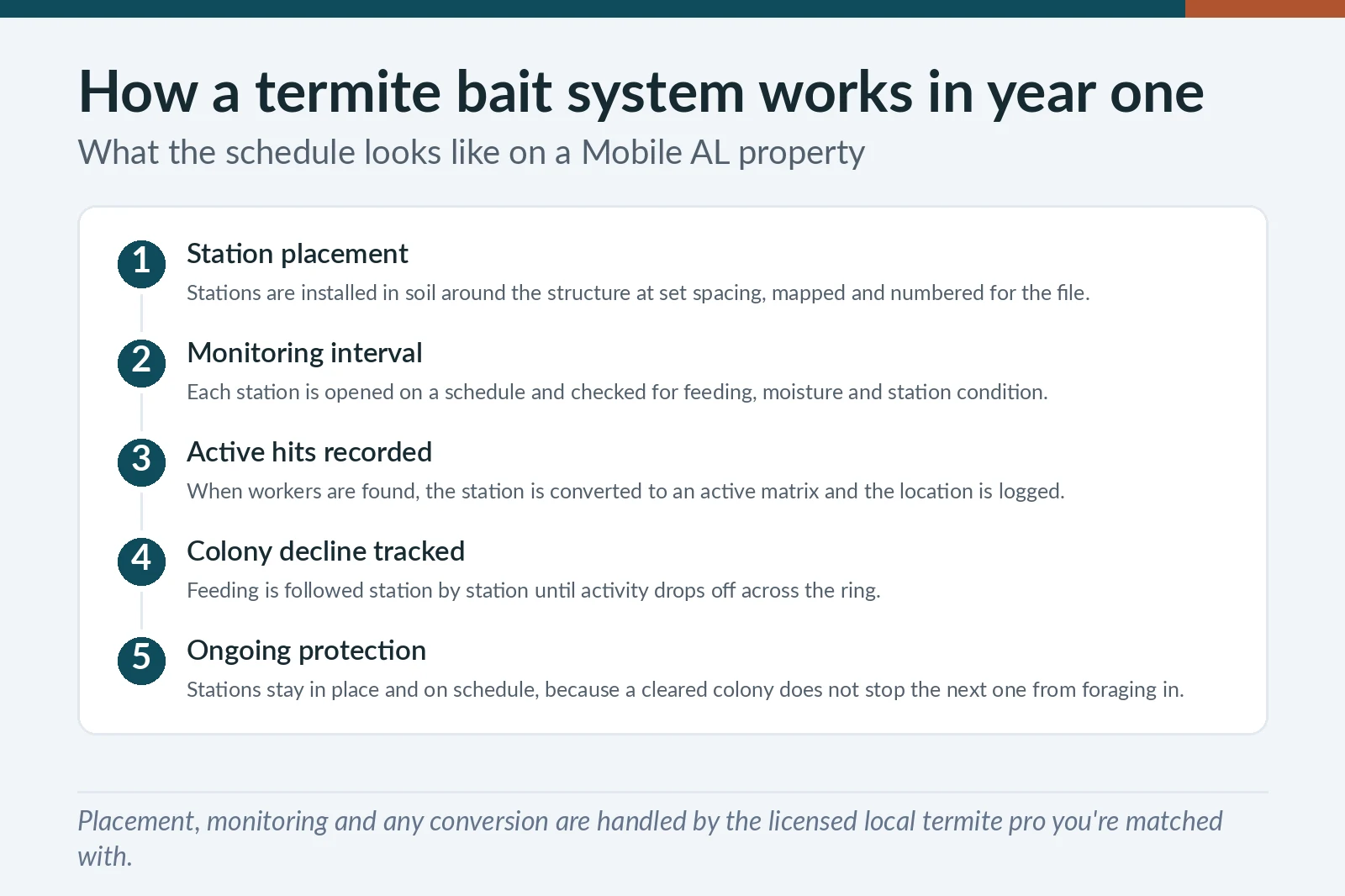
Here’s the mechanism, step by step:
- In-ground stations circle the house. Cylindrical stations go into the soil around the foundation perimeter at regular intervals set by the product label, sitting flush with the ground.
- Foraging termites find the bait. The stations hold a cellulose bait matrix laced with noviflumuron — a chitin-synthesis inhibitor. Termites feed on it and, because colonies share food mouth-to-mouth, carry it back and spread it through the nest.
- The colony fails at molting. Noviflumuron doesn’t kill on contact; it quietly prevents workers from molting. Over weeks to months the workforce collapses, and the colony declines toward elimination — the queen included. That colony-level action is the whole point of bait.
- Monitoring continues. The operator checks stations on a scheduled cadence — typically an annual service visit, with closer attention when a station shows a hit — and the stations stay in service as a long-term monitoring ring.
A liquid termiticide treatment — the Termidor-style approach — works on the opposite philosophy. The operator trenches (and on slab homes, drills) to place a treated zone in the soil against the foundation. Termites that tunnel through it are affected and the structure gets immediate chemical protection, but the treatment targets the termites that come to the house rather than setting out to take down the colony as a whole. Both approaches are legitimate, label-regulated tools that ADAI-licensed operators use across Mobile and Baldwin County every week. Neither one is automatically the right answer — and any pitch that says otherwise, in either direction, is a sales pitch rather than an inspection finding.
The honest bottom line: whether bait stations or a liquid treated zone fits your property depends on your slab, your soil, your drainage, and what the inspection turns up. Ask the operator whether bait or liquid fits your slab and soil — and ask them to explain why. It’s their call to make and their reasoning to show.
Free to check coverage. ADAI-licensed operators serving Mobile & Baldwin County, AL.
How does the dispatch line work?
Total transparency: we answer phones and match. Licensed operators do the work.
You reach out, we listen
Reach out any hour. Tell us your address and what’s going on — active termites, an expiring bond, or you’re comparing bait against liquid before making a decision. About a minute, no cost, no obligation.
We match you locally
Mobile Alabama Exterminators is a dispatch and referral service, not a pest control company. Your call routes to an independent operator licensed by the Alabama Department of Agriculture & Industries who covers your neighborhood.
The operator takes over
The licensed operator inspects your foundation, slab, and soil, recommends bait or liquid with reasons, and gives you their own quote. Hiring them is entirely your call — verify their ADAI license first at (334) 240-7240.
Why bait systems come up so often in Mobile
Formosan pressure and Gulf Coast ground conditions shape the conversation here.
Mobile isn’t a neutral market for termite decisions. A few local facts push bait systems into more conversations here than in most of Alabama:
- Formosan colonies are enormous. Mobile has carried heavy Formosan subterranean termite pressure since the species arrived through the port decades ago, and Formosan colonies run several times the size of native colonies — into the millions. A colony-elimination approach is attractive against an enemy that big, which is why bait systems earned their reputation in Gulf Coast Formosan country.
- The water table is high and the rain is heavy. Roughly 65 inches of rain a year and low-lying, sandy-to-loamy coastal soils complicate everything below grade. Saturated soil is a real consideration when an operator weighs how a liquid treated zone will establish and persist — and it’s a big part of the “slab and soil” question only an on-site inspection answers.
- Slab construction cuts both ways. Liquid treatment on a slab home usually means drilling through the slab or hardscape at intervals; bait stations go into the soil outside without drilling. On the other hand, a bad drainage pattern or constant landscaping disturbance can argue against stations. Trade-offs, not absolutes.
- Bonds and paperwork matter here. In Formosan country, lenders and buyers care about continuous termite coverage. Whichever system is installed, the service agreement — what Alabama calls the termite bond — and the annual inspection that keeps it current are as important as the chemistry.
None of this makes bait “the winner.” Plenty of Mobile homes are well protected by liquid treatments, and operators here install both, often choosing differently from one street to the next. The point is that the choice is a property-level engineering decision, not a brand-loyalty one.
The Mobile termite-protection calendar
How the bait-station year tends to run on the central Gulf Coast.
| Season | What it means for termite protection in Mobile |
|---|---|
| Feb–Apr | Native subterranean swarm season — wings on sills send homeowners looking at their options. A good window to have an operator assess the property before Formosan season peaks. |
| May–Jul | Formosan swarms hit on humid evenings around lights. Foraging activity is high, which also means active stations get found and hit — operators track consumption closely in this stretch. |
| Aug–Oct | Peak feeding in the heat. Colonies that picked up bait in early summer are declining through this period; operators verify by re-checking hit stations and looking for fresh activity elsewhere. |
| Nov–Jan | Quieter surface activity, but Mobile winters are mild and subterranean termites keep working. Annual monitoring visits, bond renewals, and install-before-spring decisions tend to land here. |
Free to check coverage. ADAI-licensed operators serving Mobile & Baldwin County, AL.
What should you ask the operator?
You’ll get a better outcome — and a fairer quote — if you ask these on the first visit.
- “Bait or liquid for this house — and why?” The answer should reference your slab type, soil, drainage, and inspection findings, not just what the company prefers to sell. Make them show their work.
- “What’s your ADAI license number?” Every legitimate Alabama operator has one, and the Pesticide Management Section in Montgomery — (334) 240-7240 — can confirm it. Termite work has its own certification category, so ask about that specifically.
- “What’s the station spacing and the monitoring cadence?” If bait is proposed: how many stations, how far apart per the label, when they get checked, and what happens when one shows a hit.
- “What kind of bond comes with this?” Alabama service agreements come in retreatment-only and repair-and-retreatment flavors, and the difference matters enormously at claim time. Get the category and the renewal terms in writing.
- “What happens if I sell the house?” Ask whether the agreement transfers to a buyer — in Formosan country, a transferable bond is a genuine selling point at closing time.
Sentricon in Mobile — what do homeowners ask?
What exactly is Sentricon?
Sentricon is a brand of in-ground termite bait system made by Corteva Agriscience. Stations installed around the foundation hold a cellulose bait containing noviflumuron, a chitin-synthesis inhibitor that worker termites share through the colony. Because workers can’t molt after feeding on it, the colony’s workforce collapses over weeks to months. This site describes it factually and has no affiliation with Corteva — installation and servicing are done by licensed operators.
Is bait better than a liquid treatment?
Neither is universally better — they solve the problem differently. Bait aims at colony elimination and skips drilling; liquid puts an immediate treated zone between termites and the structure. Which fits your property depends on slab construction, soil, drainage, and what the inspection finds. That’s the operator’s call to make and explain, which is exactly what you should ask them to do.
Does bait work on Formosan termites?
Bait systems are used against Formosan subterranean termites across the Gulf Coast, and colony-elimination baiting is one of the standard tools in Formosan-pressure markets like Mobile precisely because Formosan colonies are so large. Results on any specific property depend on placement, monitoring, and conditions — which is why the annual service component isn’t optional fine print; it’s the system working as designed.
How often do the stations get checked?
Modern always-active bait programs typically run on an annual professional inspection cadence, with more frequent attention when a station shows termite activity. The exact schedule is set by the product label and the operator’s service agreement, so ask for the cadence in writing along with what a “hit” triggers.
What does a bait system cost in Mobile?
Pricing is set by the independent operator after inspecting your property — it varies with the home’s perimeter, construction, and the service agreement attached. We don’t publish prices because they aren’t ours to publish. The call and the match are free, and the operator gives their own written quote you can compare.
Are you a pest control company?
No — Mobile Alabama Exterminators is a free dispatch and referral service. We connect Mobile and Baldwin County residents with independent, ADAI-licensed termite operators who perform the inspections, installations, and treatments. We never do the work ourselves, and we encourage you to verify any operator’s license before hiring.
Bait or liquid — get a licensed answer for your lot.
, free to get matched, no obligation to hire. The licensed operator inspects and gives the quote.
Free to check coverage. ADAI-licensed operators serving Mobile & Baldwin County, AL.
Prefer to send details first? Use the contact form →