Mosquito control in Decatur, AL — one call to a licensed operator.
From homes backing up to the Wheeler National Wildlife Refuge to the storm-drain grid running through Old Decatur and Albany, our 24/7 dispatch line matches Decatur homeowners fighting mosquitoes with an independent, ADAI-licensed operator who already works the Tennessee River corridor every week. You call, we match, the licensed operator inspects the property and quotes the treatment.
One call, and you’re matched
Tell the dispatcher where the mosquitoes are worst — a yard backing up to the Wheeler refuge, a storm drain near downtown, a shaded lot along Flint Creek — and get matched with an operator who already treats your part of Decatur.
☎ Call (888) 295-0220 (888) 295-0220 — answered 24/7Free call · No obligation to hire anyone · The licensed local exterminator you’re matched with inspects and sets the price
Mobile Alabama Exterminators is a free 24/7 dispatch and referral line. Call (888) 295-0220, describe where the mosquitoes are worst — refuge-edge yard, storm drain, shaded creek lot — and we match you with an independent operator licensed by the Alabama Department of Agriculture & Industries who covers your Decatur address. The licensed operator, not us, inspects the property and sets the price for treatment.
Why does the Wheeler refuge next door make Decatur’s mosquito season so uneven?
Decatur is one of the few Alabama cities that shares a fence line with a national wildlife refuge, and Wheeler National Wildlife Refuge does more to shape the local mosquito season than almost anything happening inside the city itself. The refuge’s backwater pools sit on the Tennessee River’s edge and rise and fall with river fluctuation managed upstream, and every time a pool floods and then recedes, it leaves behind exactly the kind of shallow, sun-warmed puddles that floodwater mosquito species use to hatch an entire generation in days.
Homes along the refuge edge and around Point Mallard — where the city’s park, marina and golf course sit closest to the river bottoms — feel that pattern first. A dry week can look completely uneventful and then, days after an upstream release changes the water level, a refuge-edge yard is suddenly hosting far more mosquitoes than a house three miles north in a subdivision that never sees river water at all.
Flint Creek adds a second water source on the west side of the city, threading through wooded, low-lying stretches that hold humidity long after the Tennessee River itself has dropped. Yards backing up to the creek corridor carry more shade and more standing moisture in the soil than the open lots further from the water, which favors different mosquito behavior than the refuge’s open backwater pools do.
Downtown, the picture flips entirely. Old Decatur and the Albany Historic District carry some of Alabama’s oldest continuously occupied wood-frame housing — bungalows and Victorians dating to the 1880s through the 1920s — and the mosquito pressure there has almost nothing to do with the river. It comes from storm drains, gutters on century-old rooflines, and shaded foundation plantings that have had decades to settle into permanently damp beds.
The season here runs roughly April through early October — noticeably shorter than Alabama’s Gulf Coast cities, where mosquitoes can still be active into November. Decatur’s more northern latitude means the first real frost typically arrives weeks earlier, which closes out the breeding window for both the refuge’s floodwater broods and the downtown storm-drain Culex population at roughly the same time each fall.
A licensed operator working Decatur has to read two different mosquito problems on two different parts of the same city: refuge-edge and Flint Creek properties dealing with floodwater species tied to river and creek fluctuation, and downtown Old Decatur and Albany properties dealing with container- and drain-breeding Culex mosquitoes in century-old storm infrastructure. Barrier treatment on shaded vegetation and larvicide in any standing water the property owner controls address the yard-level side of both; the refuge’s managed water levels sit outside what any single property treatment reaches.
Live near the Wheeler refuge or downtown? Tell the dispatcher which side of Decatur you’re on — refuge-edge, Flint Creek, or Old Decatur — that alone changes which operator and protocol fit.
☎ Call (888) 295-0220Free call · 24/7 · No obligation to hire — the licensed operator you’re matched with gives the quote
How does the mosquito dispatch line work in Decatur?
Total transparency: we answer phones and match. Licensed operators do the work.
You call, we listen
Tap the number, day or night, and tell the dispatcher what you’re seeing in Decatur — it takes about a minute, costs nothing, and you’re not committing to anything.
We match you locally
Mobile Alabama Exterminators is a dispatch and referral service, not a pest control company. We route your call to an independent operator licensed by the Alabama Department of Agriculture & Industries who covers Decatur and the surrounding Morgan County area.
The operator takes over
The licensed operator inspects your property, walks you through what they found, and gives you their own quote. Hiring them is entirely your decision — and you can verify their ADAI license first through the Pesticide Management Section in Montgomery at (334) 240-7240.
What else can you call the Decatur line about?
The dispatch line routes several pest problems across Decatur. Each links to a deeper guide on this site.
Pest control in Decatur →
The parent hub for every pest problem across the city, from Old Decatur to the Wheeler refuge edge.
Mosquito control →
The full statewide mosquito guide — species, season length, and what yard treatment can and cannot reach.
Termite treatment →
Eastern subterranean termite pressure in Old Decatur’s historic wood-frame stock and the postwar ranches beyond it.
Rodent control →
Norway rats along the riverfront grain corridor and roof rats in the older canopy neighborhoods.
Pest control in Huntsville →
Coverage for the neighboring Huntsville metro along the Tennessee River corridor.
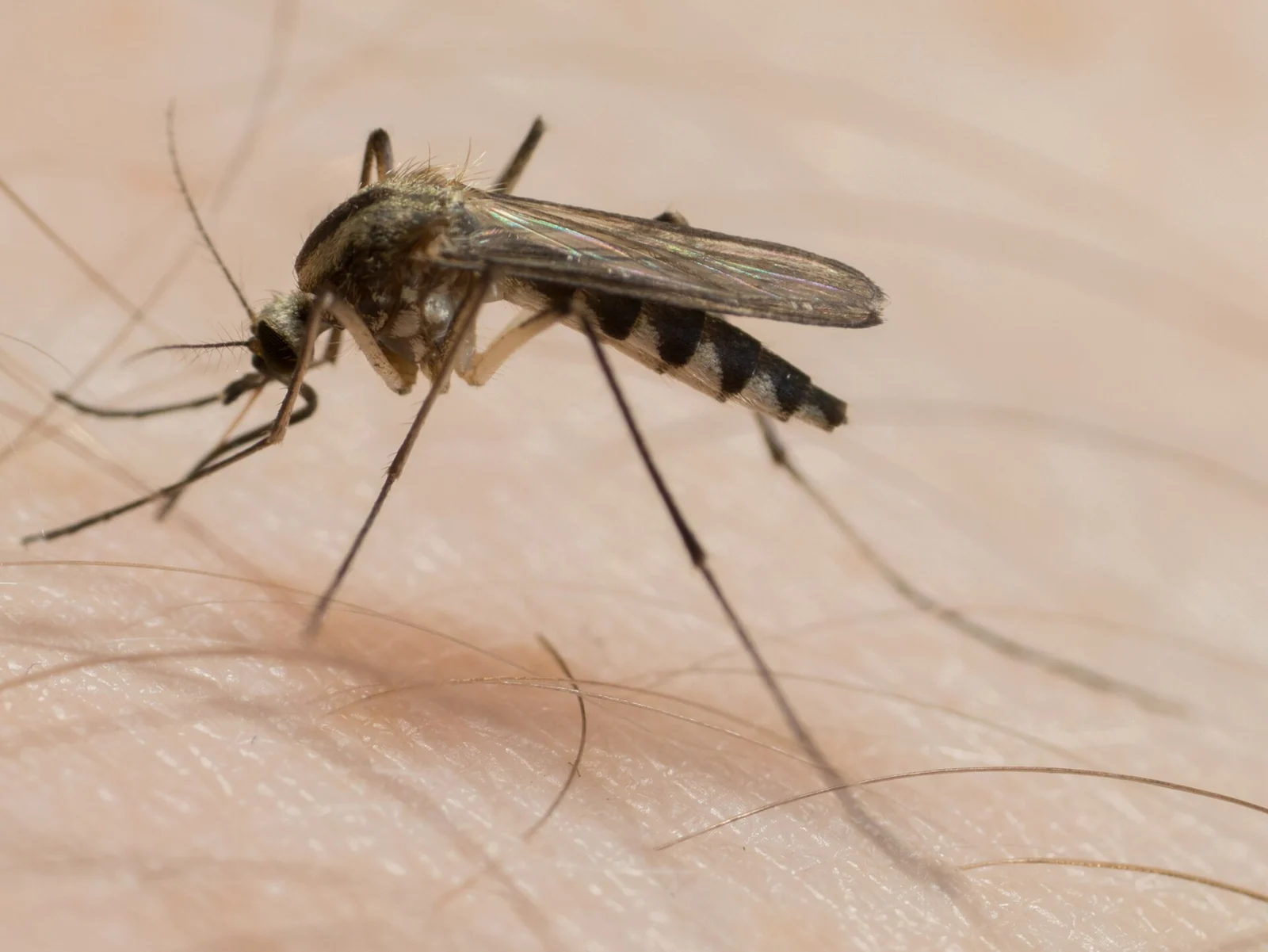
When is mosquito pressure worst in Decatur?
River fluctuation at the Wheeler refuge and the downtown storm-drain grid move on different schedules.
| Season | What shows up in Decatur homes |
|---|---|
| Apr-May | Spring rises on the Tennessee River flood the Wheeler refuge’s backwater pools, and the first container breeders of the year show up in Old Decatur and Albany gutters. |
| Jun-Jul | Heat and humidity peak; Flint Creek corridor yards and refuge-edge properties near Point Mallard see the heaviest evening pressure. |
| Aug-Sep | Downtown storm drains and shaded historic-district yards carry the load as river levels stabilize; Culex activity rises as nights start to cool. |
| Oct-Mar | The first hard frost typically closes the season by early October — noticeably earlier than Alabama’s Gulf Coast cities — though a warm stretch can still hatch a late refuge-edge brood. |
Not sure what’s breeding nearby? Tell the dispatcher whether your yard backs up to water or sits downtown near a storm drain, and get matched with an operator who knows that side of Morgan County.
☎ Call (888) 295-0220Free call · 24/7 · No obligation to hire — the licensed operator you’re matched with gives the quote
What should you ask the operator about your property?
Asking these on the first visit gets you a better outcome — and a fairer quote.
- “Is my property closer to the refuge or downtown?” Wheeler refuge-edge and Flint Creek yards deal with floodwater species tied to river fluctuation; downtown Old Decatur and Albany properties deal with container- and drain-breeding Culex. Ask the operator which pattern fits your address.
- “What’s your ADAI license number?” Every legitimate Alabama operator carries one, and the Pesticide Management Section in Montgomery can confirm it before any work begins.
- “How often do treatments need to repeat?” A refuge-edge yard that floods and recedes on the river’s schedule may need a different interval than a downtown lot with a permanent shaded planting bed. Ask the operator what they recommend for your property specifically.
- “Can anything be done about the refuge itself?” No single yard treatment reaches Wheeler National Wildlife Refuge’s managed backwater pools — ask the operator to be direct about what their service does and does not cover.
- “Do the century-old gutters and drains downtown change anything?” Old Decatur and Albany’s historic rooflines and storm infrastructure hold water differently than a newer subdivision. Ask whether the inspection includes a check of gutters and drain lines, not just the yard.
None of these questions slow down an operator who already reads both sides of Decatur’s mosquito problem every week — the answers just tell you what you’re getting before anyone starts.
Mosquito control in Decatur — what do homeowners ask?
Are you a pest control company in Decatur?
No — Mobile Alabama Exterminators is a free dispatch and referral service. We connect Decatur homeowners with independent, ADAI-licensed pest control operators who inspect the property and perform mosquito treatment. We never do the work ourselves, and we encourage you to verify any operator’s license before hiring.
How much does mosquito control cost in Decatur?
The price is set by the independent operator after they see the property — it depends on lot size, proximity to the refuge or a creek, and how often you want treatments repeated. The call and the match are free; ask the operator what drives their quote.
Can a yard treatment reach mosquitoes breeding on the Wheeler refuge?
Not directly. A licensed operator can treat the containers and vegetation on your property, but the refuge’s managed backwater pools sit outside what any single yard treatment can reach. Ask the operator to explain what their service does cover.
Why is Decatur’s mosquito season shorter than the Gulf Coast’s?
Decatur’s more northern latitude means an earlier first frost, typically closing the breeding season by early October versus late November or beyond on the coast. The refuge and downtown drains both quiet down around the same time each fall.
Which parts of Decatur does the line cover?
The line routes across the city — Old Decatur, Albany, Point Mallard, refuge-edge properties, Flint Creek corridor homes — plus the rest of Morgan County. Call and the dispatcher confirms coverage for your address.
Can I get someone after hours in Decatur?
The dispatch line answers 24/7. Appointment timing is set by the independent operator and depends on their schedule and your location — availability varies by operator and time of day. The operator confirms timing with you directly.
Ready when you are — day or night.
, free to get matched, no obligation to hire. The independent ADAI-licensed operator who covers your part of Decatur inspects and gives the quote.
☎ Call (888) 295-0220(888) 295-0220 — free call, 24/7. The licensed operator inspects and gives the quote.