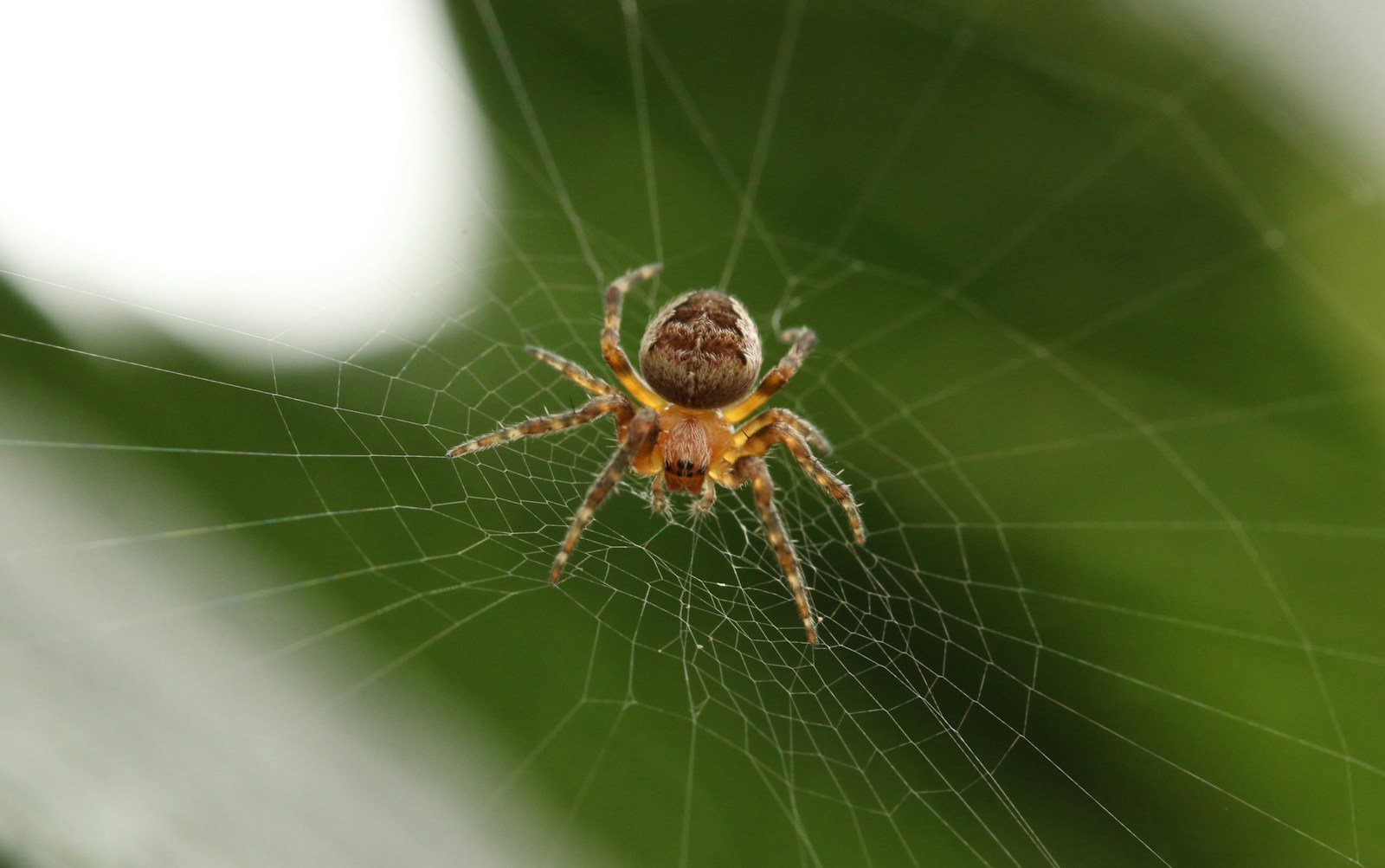
Brown recluse spider in Mobile, AL — get the ID confirmed first.
Found a brown spider in a closet, an attic box, or a work glove and your stomach dropped? Take a breath — most “brown recluse” sightings in Mobile turn out to be harmless look-alikes. This free 24/7 dispatch line connects you with an independent, ADAI-licensed operator who can confirm what you’re actually dealing with and treat it properly. They inspect, they quote, they treat. You decide.
Free to check coverage. ADAI-licensed operators serving Mobile & Baldwin County, AL.
Check your ZIP first
Enter your Mobile-area ZIP to confirm coverage, then tap to call.
Free to use · No obligation to hire anyone
Why a brown recluse call in Mobile starts with an ID check
Here’s the honest version nobody selling panic will tell you: the brown recluse (Loxosceles reclusa) is one of the most misidentified spiders in coastal Alabama. Mobile sits near the humid southern edge of its range, and while recluses are documented in Alabama homes, the brown spider sprinting across your garage floor in Semmes or hanging in a web on a Midtown porch is far more likely to be something else. Wolf spiders get blamed constantly — they’re brown, they’re fast, and they’re everywhere on the Gulf Coast. So do southern house spiders, whose wandering males look alarmingly recluse-ish to anyone who just wants the thing out of the house.
An actual brown recluse has three field marks that hold up together:
- The violin. A dark, violin-shaped marking on the cephalothorax — the body section the legs attach to — with the neck of the violin pointing toward the abdomen. Plenty of harmless spiders have vague dark smudges there, which is why the violin alone isn’t enough.
- Six eyes, in three pairs. Almost every other spider you’ll meet in Mobile has eight. Recluses have six, arranged in a neat semicircle of pairs. This is the mark entomologists actually trust — and yes, it takes a close look or a good photo to see it.
- Plain, uniform legs. No bands, no stripes, no obvious spines. Sandy tan to medium brown, all one color. A leggy brown spider with banded or spiny legs is not a recluse, full stop.
Why does the ID matter so much? Because real recluse work is its own protocol. These spiders live in undisturbed storage — attic boxes, closet corners, garage shelving, the bin of winter clothes under the bed — and they hunt at night instead of building catch-webs out in the open. A general perimeter spray that handles ordinary house spiders barely touches them. If an operator treats for recluses when you actually have wolf spiders, you paid for the wrong plan. If they treat generically when you genuinely have recluses, the problem quietly continues in the boxes.
And a word on bites, without the scare copy: we can’t give medical advice, and we won’t. If someone got bitten and the area is worsening — growing pain, fever, an expanding wound — see a medical provider. That’s their lane. What’s worth knowing is that many wounds blamed on brown recluses turn out to have other causes entirely, and many spiders blamed for them are look-alikes. If you can safely catch the spider in a jar or on a piece of tape, do it. A specimen turns everyone’s guesswork into an answer.
Got a specimen or a photo? Say so when you call — “caught a brown spider in a jar from the hall closet” is exactly the detail the dispatch line wants. The operator shows up ready to confirm the species instead of starting from zero, and you skip a second appointment.
Free to check coverage. ADAI-licensed operators serving Mobile & Baldwin County, AL.
How does the dispatch line work?
Total transparency: we answer phones and match. Licensed operators do the work.
You reach out, we listen
Reach out any hour. Tell us your address and what you saw — where the spider was, whether you caught it, how long you’ve been seeing them. About a minute, no cost, no obligation.
We match you locally
Mobile Alabama Exterminators is a dispatch and referral service, not a pest control company. Your call routes to an independent operator licensed by the Alabama Department of Agriculture & Industries who covers your neighborhood.
The operator takes over
The licensed operator inspects, confirms the species, explains the plan, and gives you their own quote. Hiring them is entirely your call — and you can verify their ADAI license first at (334) 240-7240.
What real brown recluse work looks like in a Mobile home
If the plan is “we spray the baseboards and leave,” that’s not a recluse plan.
Recluses reward patience and punish shortcuts. Ask anyone who’s dealt with them properly and the same playbook comes up:
- Glue-board monitoring first. Flat sticky monitors go down along baseboards, under beds, on closet floors, in attic corners, and along garage shelving. Over the following days they answer the two questions that decide everything: is it actually a recluse, and how many are there? Operators read glue boards the way a doctor reads labs — before prescribing.
- Targeted crack-and-crevice treatment. Real recluse harborage is inside wall voids, under baseboards, behind stored boxes — places a broadcast spray never reaches. Expect precise void and crevice work, not fog.
- A decluttering conversation. Cardboard is recluse housing. The operator should walk the attic and closets with you and talk about swapping cardboard for sealed plastic totes — unglamorous, and it does more long-term good than any chemical.
- Exclusion. Door sweeps, sealed gaps around plumbing penetrations, screened vents — closing the routes spiders (and the insects they hunt) use to get in.
- Scheduled follow-ups. Recluse populations come down over weeks, not overnight. A serious plan includes re-checking the glue boards across 30–90 days and adjusting. Anyone promising instant elimination is telling you what you want to hear.
- A written scope. What they found, what they’re doing, what it costs, what the re-service terms are. Pricing belongs to the operator, set after inspection — which is exactly why this site doesn’t publish prices.
One more habit worth stealing from the pros: shake out shoes, gloves, and clothing that’s been sitting untouched — especially anything stored in the garage or attic. Nearly every genuine recluse encounter happens when a hand or foot meets a spider that had settled into something dark and quiet.

The Mobile spider calendar
When recluse sightings — real and mistaken — tend to spike on the central Gulf Coast.
| Season | What tends to happen in Mobile homes |
|---|---|
| Feb–May | Spring warm-up gets spiders moving. Male recluses start wandering in search of females — this is when they end up in bathtubs and sinks — while wolf spiders wake up outdoors and drive a wave of mistaken-identity calls. |
| Jun–Aug | Peak season. Hot attics and garages are full recluse habitat, night hunting is at its height, and glue boards fill up quickly. Summer is the right window to read how big a population actually is. |
| Sep–Nov | Storage-box season. Boxes come down from attics, decorations come out, garages get reorganized — and hands meet spiders that sat undisturbed all summer. Gloves are not optional this time of year. |
| Dec–Jan | Outdoor activity slows, but heated closets and interior storage stay comfortable year-round in Mobile’s mild winters. Seldom-worn coats, boots, and gloves deserve a shake-out before the first cold snap. |
Free to check coverage. ADAI-licensed operators serving Mobile & Baldwin County, AL.
What should you ask the operator?
You’ll get a better outcome — and a fairer quote — if you ask these on the first visit.
- “Is this actually a brown recluse?” Ask them to show you the violin marking and the six-eye arrangement on your specimen or photo. A pro will walk you through it happily; hedging is a red flag.
- “What’s your ADAI license number?” Every legitimate Alabama operator has one, and the Pesticide Management Section in Montgomery — (334) 240-7240 — can confirm it. Expecting this question is part of being a pro.
- “Where are the glue boards going, and when do you read them?” Monitoring is the backbone of recluse work. If there’s no monitoring step, ask what the treatment decision is based on.
- “What should I change about storage?” A recluse plan that never mentions cardboard, clutter, or sealed totes is missing its simplest and most durable component.
- “How many follow-ups, over how long?” Recluse knockdown takes weeks. Get the re-visit schedule and the re-service terms in the written scope before you sign anything.
Brown recluse in Mobile — what do homeowners ask?
How do I tell a brown recluse from a wolf spider?
Three checks together: a dark violin shape on the body section the legs attach to, six eyes in three pairs instead of eight, and plain sandy-brown legs with no bands or stripes. Wolf spiders — the most common look-alike in Mobile — are patterned, fast-moving, and have banded legs and eight eyes, two of them noticeably large. A spider sitting in a web out in the open is also almost certainly not a recluse.
Are brown recluse bites dangerous?
We’re a dispatch service, not a medical source, so the only responsible answer is: if a bite area is worsening — spreading pain, fever, an expanding wound — see a medical provider promptly. It’s also true that many wounds attributed to recluses turn out to have other causes, and many accused spiders are look-alikes. Catching the spider safely, if you can, helps both the doctor and the operator.
Why do operators use glue boards instead of just spraying?
Because recluses hide in cracks, voids, and stored boxes where sprays don’t reach, and because the boards answer the questions that shape the whole plan: which species is present and how heavy the population is. Glue-board results tell the operator where to focus targeted crack-and-crevice work — and later, whether it’s working.
What should I do with boxes in the attic or garage?
Move long-term storage out of cardboard and into sealed plastic totes — recluses love cardboard flaps and folds. Wear gloves when you handle old boxes, shake out stored clothing and shoes before use, and keep storage up off the floor and away from walls where you can. Less clutter means fewer hiding spots and fewer of the insects recluses feed on.
How long does it take to get recluses under control?
Plan in weeks, not days. Recluse populations decline gradually as targeted treatment, decluttering, and exclusion stack up, so operators typically re-check monitors and adjust across 30–90 days. Timelines and re-service terms are set by the independent operator, so ask for them in the written scope.
Are you a pest control company?
No — Mobile Alabama Exterminators is a free dispatch and referral service. We connect Mobile and Baldwin County residents with independent, ADAI-licensed pest control operators who perform the inspections and treatments. We never do the work ourselves, and we encourage you to verify any operator’s license before hiring.
One ZIP code settles the recluse question.
, free to get matched, no obligation to hire. The licensed operator inspects and gives the quote.
Free to check coverage. ADAI-licensed operators serving Mobile & Baldwin County, AL.
Prefer to send details first? Use the contact form →