Mosquito control in Dothan, AL — one call to a licensed operator.
Dothan’s sandy Wiregrass soil drains fast, but the stormwater ponds, drainage ditches and Beaver Creek tributaries that thread through the city hold water long after a summer storm, and that is exactly what keeps mosquitoes breeding here from spring through fall. Our 24/7 dispatch line matches Dothan homeowners with an independent, ADAI-licensed operator who treats yards from the Garden District’s shaded lots to the newer subdivisions outside the Circle.
One call, and you’re matched
Tell the dispatcher where the pressure is worst — a shaded Garden District yard near downtown, a ditch-adjacent lot outside the Circle, or a farm-pond edge property — and get matched with a licensed operator who covers your part of Dothan.
☎ Call (888) 295-0220 (888) 295-0220 — answered 24/7Free call · No obligation to hire anyone · The licensed local exterminator you’re matched with inspects and sets the price
Mobile Alabama Exterminators is a free 24/7 dispatch and referral line. Call (888) 295-0220, describe where mosquitoes are worst on your Dothan property, and we match you with an independent operator licensed by the Alabama Department of Agriculture & Industries who covers your address. The licensed operator, not us, inspects the yard, identifies the breeding sources, and sets the price for a treatment plan.
Why does Dothan hold onto mosquitoes longer than its sandy soil would suggest?
The sandy soil that defines the Wiregrass drains a lot faster than the clay found farther north in Alabama, and on its own that would make Dothan a lighter mosquito city than Montgomery or Birmingham. What changes the equation is the network of engineered water that the city itself depends on: stormwater retention ponds built into newer subdivisions, the drainage-ditch grid that channels runoff along streets and easements, and the Beaver Creek and Little Choctawhatchee tributaries that wind through and around town. Sandy soil sheds rain quickly at the surface, but these built and natural low points still hold standing water for the better part of a week after a hard summer storm — plenty of time for a mosquito egg to become a biting adult.
Dothan’s latitude near the Gulf-influenced part of the state means the mosquito season runs long — realistically March through October, with the heaviest pressure from May through September when the ditches and ponds stay wettest and the heat speeds up the breeding cycle. That is a genuinely longer window than mosquito programs in north Alabama have to plan around, and it is the single biggest reason a one-time yard treatment in Dothan does not hold up the way homeowners hope it will.
Inside town, the older, pecan- and oak-shaded lots around the Garden District and the streets near downtown around Foster Street create a different kind of breeding pressure than the ponds and ditches do. Mature canopy keeps yards shaded and slows evaporation, so anything that collects even a cupful of water — a clogged gutter, a forgotten flowerpot saucer, a tarp pooling rainwater over a boat or a woodpile — becomes a container breeding site that can produce mosquitoes within days, independent of any ditch or pond nearby.
Outside the Ross Clark Circle, where Dothan blends into farm-pond country, properties backing onto a pond edge face a source that a yard treatment alone cannot fully solve. A farm pond is a permanent water body that will keep producing mosquitoes as long as it exists, and the honest scope of a licensed operator’s yard treatment is to knock down and repel mosquitoes on the treated property — not to eliminate a pond’s breeding capacity or control what a neighboring farm or a public ditch is doing. A homeowner backing onto a pond should expect ongoing pressure even after a good treatment, because the source sits outside the treated boundary.
The container audit matters just as much in Dothan as the ditch network does. Clogged gutters, tarps, unused kiddie pools, plant saucers, tire swings and anything else that collects rainwater in a Garden District or Circle-area yard should be dumped or covered before any treatment, because a licensed operator’s barrier spray does not reach inside a container that keeps refilling itself.
Because adult mosquitoes keep flying in from ditches, ponds and neighboring yards even after a good treatment, most licensed operators recommend a repeat barrier application on a roughly 21-to-30-day cycle through the long Dothan season rather than a single visit — treating it as ongoing yard maintenance, not a one-time fix.
Fighting mosquitoes in a Dothan yard right now? Tell the dispatcher whether you’re near a ditch, a pond edge, or just a shaded older lot — that detail helps match you with an operator who knows the source.
☎ Call (888) 295-0220Free call · 24/7 · No obligation to hire — the licensed operator you’re matched with gives the quote
How does the mosquito dispatch line work in Dothan?
Total transparency: we answer phones and match. Licensed operators do the work.
You call, we listen
Tap the number, day or night, and tell the dispatcher what you’re seeing in Dothan — it takes about a minute, costs nothing, and you’re not committing to anything.
We match you locally
Mobile Alabama Exterminators is a dispatch and referral service, not a pest control company. We route your call to an independent operator licensed by the Alabama Department of Agriculture & Industries who covers Dothan and the surrounding Houston County area.
The operator takes over
The licensed operator inspects your property, walks you through what they found, and gives you their own quote. Hiring them is entirely your decision — and you can verify their ADAI license first through the Pesticide Management Section in Montgomery at (334) 240-7240.
What else can you call the Dothan line about?
The dispatch line routes five core problem types across Dothan. Each links to a deeper guide on this site.
Pest control in Dothan →
The parent hub for every pest problem across the city, from the Ross Clark Circle motel corridor to farm-pond edge properties outside the loop.
Mosquito control →
The full statewide mosquito guide — species, season length, and what a yard treatment can and cannot reach.
Bed bug treatment →
Hospital-visitor motel stays and the region’s used-furniture circuit as bed bug vectors.
Termite treatment →
Eastern subterranean termite pressure across Dothan’s in-town and subdivision housing stock.
Roach exterminator →
German and American roach pressure tied to Dothan’s restaurant rows and older rental blocks.
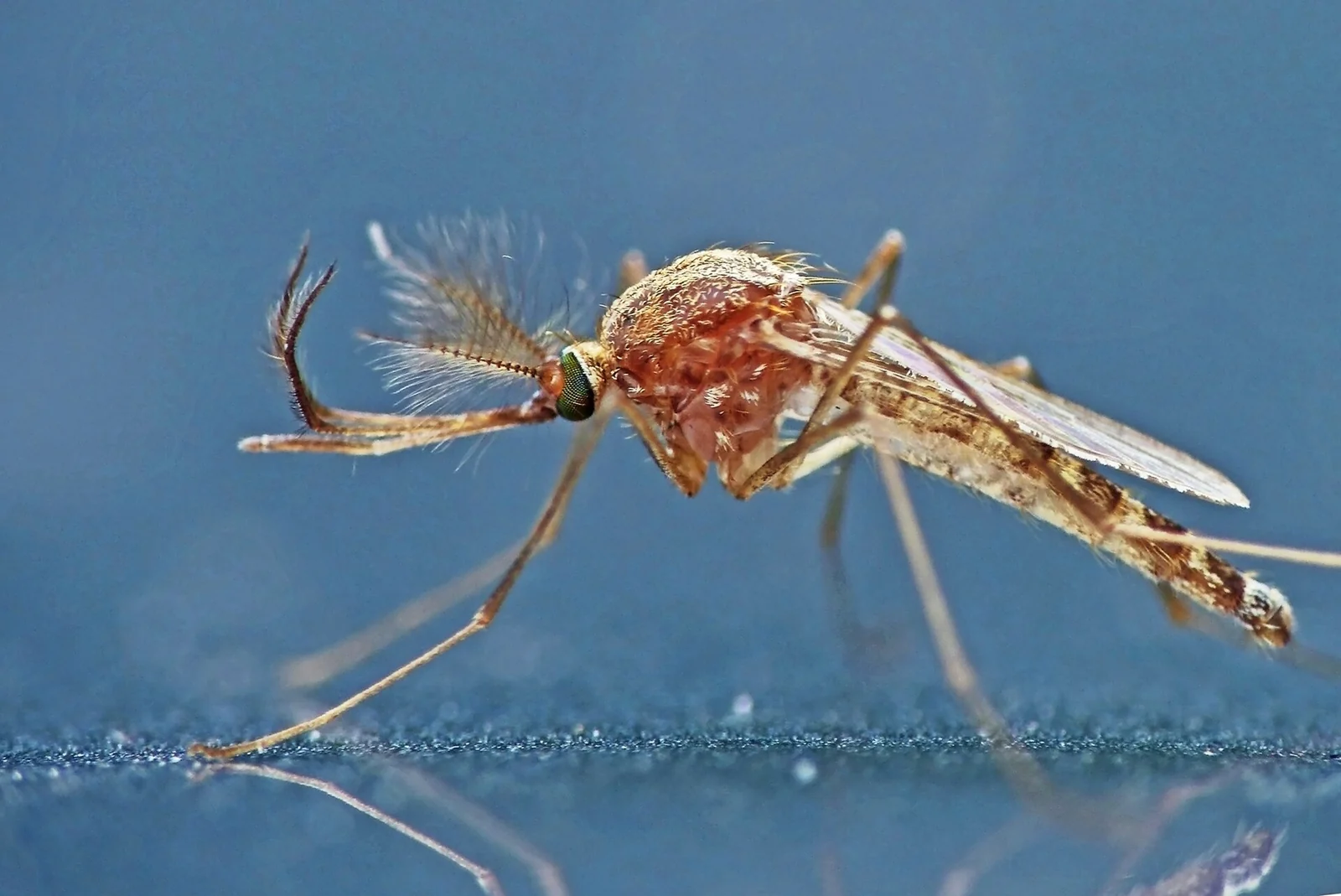
When is mosquito pressure worst in Dothan?
The season runs long here — ditches and ponds keep producing mosquitoes well past what the sandy soil alone would suggest.
| Season | What shows up in Dothan homes |
|---|---|
| Mar-Apr | Early-season activity picks up in ditch-adjacent yards and pond-edge properties outside the Circle as temperatures climb. |
| May-Jul | Peak breeding in stormwater ponds, drainage ditches and shaded Garden District container sites as summer storms keep every low spot wet. |
| Aug-Sep | Pressure stays high; farm-pond edge properties outside the Circle see steady adult activity that a yard treatment alone cannot fully resolve. |
| Oct | Activity tapers as nights cool, though a warm stretch can extend the season into early November in a mild year. |
Not sure what’s breeding on your property? Tell the dispatcher about standing water you’ve noticed — a gutter, a tarp, a low spot in the yard — so the operator knows where to start.
☎ Call (888) 295-0220Free call · 24/7 · No obligation to hire — the licensed operator you’re matched with gives the quote
What should you ask the operator about your yard?
Asking these on the first visit gets you a better outcome — and a fairer quote.
- “What are you finding as the main breeding source on my property?” A pond edge, a ditch, and a clogged gutter each call for a different combination of source reduction and barrier spray. Ask the operator to point out what they actually found before agreeing to a plan.
- “How often will the barrier treatment need to repeat?” Most yards need a repeat application roughly every 21 to 30 days through the season to stay ahead of new hatches. Ask what cadence the operator recommends for your specific property.
- “What’s your ADAI license number?” Every legitimate Alabama operator carries one, and the Pesticide Management Section in Montgomery can confirm it. A pro expects the question and answers without hesitation.
- “Can you actually control mosquitoes from the pond behind my house?” A yard treatment reaches the treated property, not a permanent pond or a public ditch. Ask the operator to be honest about what a barrier spray realistically covers and what it does not.
- “What should I clear out of my yard before you treat?” Gutters, tarps, unused containers and anything holding standing water undercut a barrier treatment if left in place. Ask for a specific checklist for your property.
None of these questions slow down an operator who actually works Dothan’s mix of ditches, ponds and shaded older lots every week — the answers tell you who you’re dealing with before any work starts.
Mosquito control in Dothan — what do homeowners ask?
Are you a pest control company in Dothan?
No — Mobile Alabama Exterminators is a free dispatch and referral service. We connect Dothan homeowners with independent, ADAI-licensed operators who perform mosquito inspection and yard treatment. We never do the work ourselves, and we encourage you to verify any operator’s license before hiring.
How much does mosquito control cost in Dothan?
The price is set by the independent operator after they’ve inspected the property and identified the breeding sources — it depends on lot size, standing-water sources and how often the treatment repeats. The call and the match are free; ask the operator what drives their quote.
Why do I still have mosquitoes after a treatment?
Adult mosquitoes fly in from ditches, ponds and neighboring yards even after a good barrier application, which is why most operators recommend repeating the treatment on a roughly 21-to-30-day cycle rather than treating it as a one-time fix.
My house backs onto a farm pond — can that be fixed?
A yard treatment covers your property, not the pond itself, so a pond-edge house should expect ongoing pressure even after a good treatment. Ask the operator what a realistic reduction looks like for a property in that situation.
What should I do before the operator arrives?
Walk the yard for anything holding standing water — clogged gutters, tarps, forgotten pots, unused kiddie pools — and dump or cover what you find. A container audit like that makes any treatment more effective.
Which parts of Dothan does the line cover?
The line routes across the city — the Garden District and downtown-adjacent streets, subdivisions inside and outside the Circle, farm-pond edge properties — plus the rest of Houston County. Call and the dispatcher confirms coverage for your address.
Ready when you are — day or night.
, free to get matched, no obligation to hire. The independent ADAI-licensed operator who covers your Dothan address inspects your yard and gives the quote.
☎ Call (888) 295-0220(888) 295-0220 — free call, 24/7. The licensed operator inspects and gives the quote.