Something’s in the walls? Get eyes on it before it gets a bill on it.
One call reaches a licensed, local exterminator who covers your address — and a real person answers, 24/7.
Free to get matched — the operator sets their own inspection terms and fees.Check your ZIP first
One call reaches a licensed, local exterminator who covers your address — and a real person answers, 24/7.
Free to use · No obligation to hire anyone
Quick answer: A pest inspection in Mobile is a top-to-bottom check — kitchen, baths, attic or crawl space, garage, and the full exterior perimeter — for live activity, droppings, harborage, and conducive moisture. The ADAI-licensed operator who performs it turns findings into a written treatment and exclusion plan; if you need closing paperwork, ask for the WDO / Alabama WDIR inspection instead.
Why the inspection is the whole ballgame on the Gulf Coast
Mobile sits in one of the highest pest-pressure climates in the country: subtropical humidity, sixty-plus inches of rain a year, a working port that has been importing hitchhiker species for two centuries, and neighborhoods — Midtown, Oakleigh, Old Dauphin Way — full of pier-and-beam construction with crawl spaces that stay damp ten months out of twelve. In that environment, treating what you think you have is how homeowners spend money twice.
A German cockroach problem and a smokybrown cockroach problem get treated in nearly opposite ways. Carpenter ant activity usually traces back to a moisture problem the sprayer alone will never fix. Subterranean termite tubes on a slab edge and drywood frass under a window frame are two different treatment conversations entirely. The inspection is where a licensed operator pins down species, entry point, and conducive conditions — the three findings that determine what the right treatment even is.
Mobile Alabama Exterminators is a dispatch and referral service, not a pest control company. We connect you with an independent, ADAI-licensed operator who performs the inspection, documents what they find, and quotes any recommended work before it begins. Every operator’s license can be verified with the Alabama Department of Agriculture and Industries — call ADAI at (334) 240-7240 or check their online license lookup before you hire anyone, including anyone this line matches you with.
What a thorough Mobile-area inspection actually covers
A typical single-family inspection runs 45-75 minutes. If nobody looks in the crawl space or the attic, it isn’t finished.
Exterior perimeter
Slab-to-soil contact, mulch beds piled against siding, foundation cracks, weep holes, irrigation overspray, and the damp zones at AC condensers and hose bibs where ants and roaches stage before they come inside.
Entry points
Gaps at utility penetrations, garage-door corners, gable vents, soffit gaps, and plumbing chases — the actual routes pests use, and the list that becomes your exclusion plan. Our free interactive Pest Entry-Point Home Inspection tool walks through these same spots if you want a preview before the operator arrives.
Attic
Rodent runs and droppings, wasp nesting, disturbed insulation, and roof-leak moisture — the most common root cause behind Gulf Coast carpenter ant calls.
Crawl space
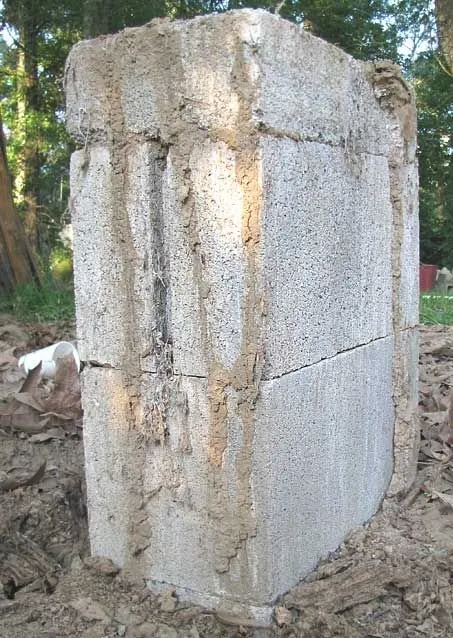
On pier-and-beam homes: subterranean termite mud tubes, fungal staining, standing moisture, and sub-floor activity. The single most skipped — and most important — zone in the historic districts.
Interior rooms
Kitchen, baths, laundry, and storage get the closest look. Roach, silverfish, ant, and bed bug evidence shows here first, and species ID happens at this stage.
Garage & outbuildings
Stored boxes, woodpiles, and stinging-insect nesting near doors — plus the clutter lines where rodents travel between the yard and the house.
What you walk away with: a written summary of what was found (evidence versus active infestation, and where), what’s recommended, and the operator’s quote for any work — in writing, before anything is scheduled. If an inspection ends in a verbal pitch and no documentation, that’s a signal to get a second opinion.
Pest inspection vs. WDO inspection — Mobile’s most expensive mix-up
These get confused constantly in Mobile-area real estate, and the difference matters to your closing date.
A general pest inspection looks for active pest pressure across categories — ants, roaches, rodents, stinging insects, termite evidence, conducive conditions. It produces findings and a service recommendation. No state form is issued, and a lender can’t use it.
A WDO (wood-destroying organism) inspection is a regulated, fee-based inspection documented on the official Alabama form, covering subterranean and drywood termites, wood-decay fungi, and wood-boring beetles. It’s what buyers’ lenders, agents, and attorneys ask for — the “termite letter” — and only a licensed operator can perform it and sign it. If you’re in a transaction, this is the one you need: see WDO inspections in Mobile and termite letters for closings.
Not in a transaction and just want to know what’s going on in the house? A general inspection is the right call, and it pairs naturally with ongoing pest control in Mobile if the findings justify a recurring plan.
How to get the most out of the inspection
None of this is required — the inspector works around clutter — but each item improves what gets found.
- Clear access to the attic hatch and crawl-space entry before the appointment.
- Pull stored items 12-18 inches off interior walls in the garage and pantry so baseboards are visible.
- Walk the inspector to the evidence first — the kitchen corner, the specific bathroom, the closet where you saw activity.
- Keep photos of anything you saw and threw away: a swarmer pile, droppings, a nest. Species ID from a phone photo is routine for an experienced operator.
- Mention water events — roof leaks, AC drain backups, slab plumbing leaks. On the Gulf Coast these correlate strongly with carpenter ant and termite activity.
And ask questions. A reputable ADAI-licensed operator answers all of these without flinching: What’s your ADAI license number? What did you actually find — species, location, evidence versus activity? Is this proposal a recurring plan, a one-time treatment, or a specialty job? What’s the re-treatment policy if pests come back? What conducive conditions should I fix on my end?
What moves the price of the work that follows
Every quote comes from the independent operator after inspecting — but these are the levers that move it.
| Cost driver | Why it moves the number |
|---|---|
| What species turned up | A German roach cleanout, a subterranean termite treatment, and a rodent exclusion job are entirely different scopes — species is the single biggest variable. |
| Foundation type | Pier-and-beam homes with crawl spaces (common in Midtown and the historic districts) take longer to inspect and treat than slab construction in West Mobile. |
| Extent and duration | Evidence caught early means a smaller scope; a colony or population that’s had years to establish means more product, more visits, more repair conversation. |
| One-time vs. recurring | A recurring quarterly plan spreads cost and usually includes covered re-treatment between visits; one-time work is priced as a standalone scope. |
| Transaction deadlines | WDO inspections on a closing timeline are a regulated, fee-based service — and rush windows narrow which operators can take the job. |
If a number lands far below what other Mobile-area operators quote, ask exactly what it includes — very low quotes often cover a single perimeter spray rather than an inspect-and-treat program. Comparing quotes is reasonable, and the written findings from the inspection make comparisons honest. For a fuller picture of what drives pricing, see pest control costs in Mobile.
Pest inspections in Mobile — what do homeowners ask?
Do you perform the inspection yourselves?
No. Mobile Alabama Exterminators is a free dispatch and referral service. We connect you with an independent, ADAI-licensed operator serving Mobile and Baldwin County who performs the inspection and any treatment. We encourage verifying any operator’s license with the Alabama Department of Agriculture and Industries at (334) 240-7240 before hiring.
Is there a charge for the inspection?
That’s the operator’s call, and it varies by situation. Getting matched through this line is free and carries no obligation, but inspection terms and fees are set by the independent operator — many quote general inspections into a service proposal, while WDO inspections for real estate are always a regulated, fee-based service. Ask when you’re connected.
What’s the difference between a pest inspection and a WDO inspection?
A general pest inspection surveys all pest pressure and produces findings and a recommendation. A WDO inspection is a regulated inspection on the official Alabama form covering termites, wood-decay fungi, and wood-boring beetles — it’s the document lenders commonly require in a home sale, and only a licensed operator can issue it.
How long does an inspection take?
Typically 45-75 minutes for a Mobile or Baldwin County single-family home, longer for pier-and-beam construction with a full crawl space, outbuildings, or a large lot. If it wrapped in fifteen minutes and nobody went in the attic or under the house, it wasn’t a full inspection.
Should I clean up the evidence before the inspector comes?
No — leave it. Droppings, wings, frass piles, and mud tubes are diagnostic. Photograph anything you have to remove, and walk the inspector to where you found it. Species ID drives the whole treatment plan.
How do I verify the operator’s license?
Every structural pest control operator in Alabama must hold an ADAI license. Ask for the license number — a reputable operator gives it without hesitation — and verify it with the Alabama Department of Agriculture and Industries at (334) 240-7240 or through ADAI’s online lookup before work begins.
Find out what’s actually in the walls.
Free to get matched, no obligation. The ADAI-licensed operator inspects, documents, and quotes before any work begins.
Free to check coverage. ADAI-licensed operators serving Mobile & Baldwin County, AL.
Prefer to send details first? Use the contact form →