
Exterminator in Midtown Mobile — oak canopy, pier-and-beam bungalows, local help.
Big roaches marching out of the oak litter, rats running the limbs at dusk, wings on the sill of a ninety-year-old bungalow — Midtown’s canopy and its old houses keep pest pros busy. Call the free 24/7 referral line, enter your ZIP, and get connected live with an independent local exterminator that works Midtown’s streets. They inspect, they quote, they treat. You decide.
Rats running the oak limbs in Midtown?
Call, enter your 5-digit ZIP on the keypad, and get connected live with a local pest control company. Free to call, 24/7.
Why exterminating in Midtown Mobile is its own discipline
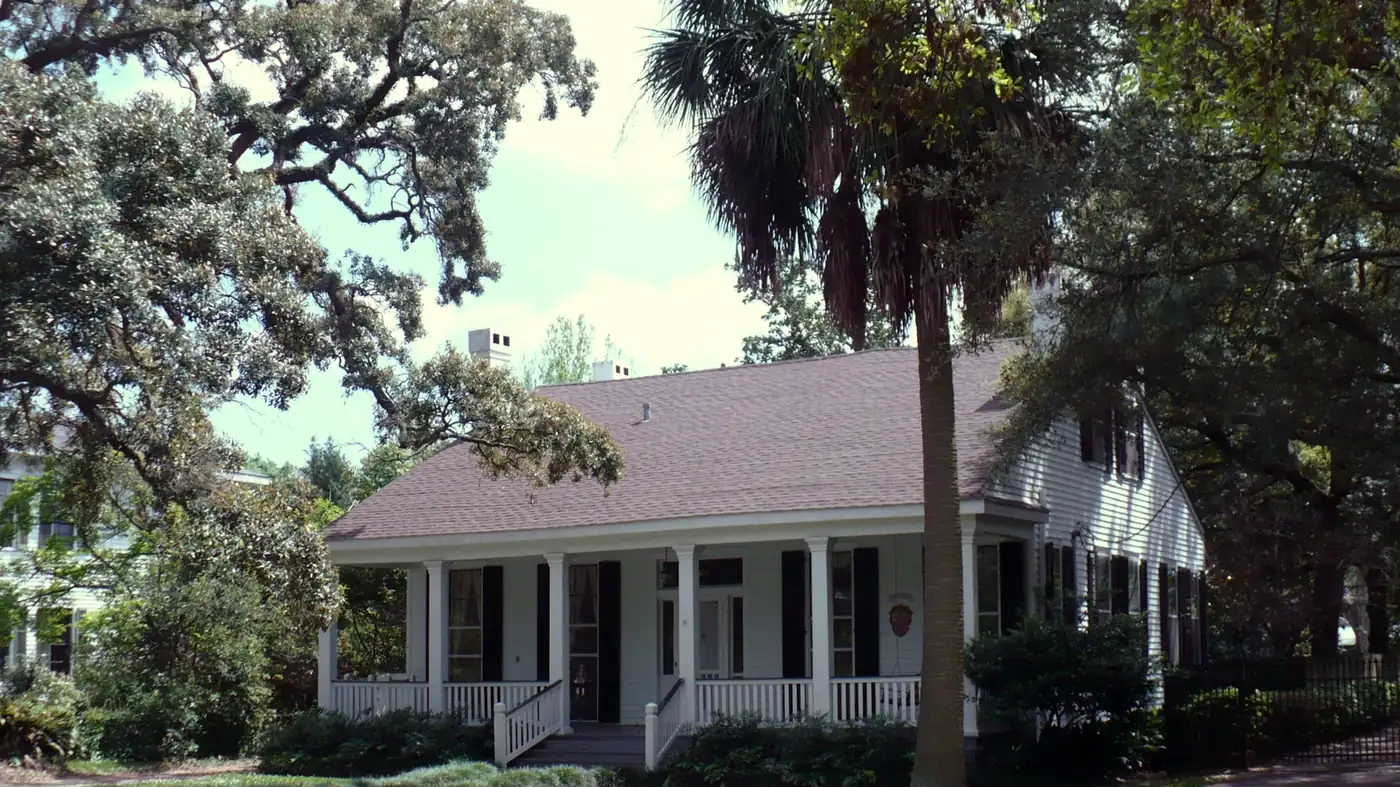
Midtown is the leafy middle of the city — the blocks between downtown and the university, taking in the Oakleigh Garden District, Ashland Place, the edges of De Tonti Square, and the long Dauphin Street corridor. Most of the housing went up between the 1920s and the 1950s: bungalows, cottages, and four-squares sitting on pier-and-beam foundations under a live-oak canopy that predates every one of them. That combination is beautiful, and it is also a pest engine that newer parts of town simply don’t have.
Three Midtown-specific realities drive most of the calls coming off this page:
- The oak canopy is a smokybrown roach factory. Smokybrown cockroaches — the big ones Mobile calls palmetto bugs — breed in oak litter, tree holes, clogged gutters, and the mulch beds that line Midtown’s sidewalks. On humid summer nights they fly toward porch lights and slip in under doors and through attic vents. Spraying the kitchen doesn’t touch the population living in the tree ten feet from your roof; an operator who works Midtown treats the harborage, not just the sighting.
- Roof rats run limb-to-roofline. Those grand oak limbs arching over Common Street and Old Government make a rodent highway. When nights cool in October, roof rats follow the limbs onto rooflines, find a chewed soffit return or an unscreened gable vent, and set up in the attic. Trapping alone fails here — the fix is exclusion plus trimming the limb bridge, and local operators know to look up before they look down.
- Formosan termites love old wood-frame stock. Mobile carries some of the heaviest Formosan subterranean termite pressure in the country, and Midtown’s 1920s–50s framing — much of it never treated under modern pre-construction standards — is exactly what a colony of several million wants. Swarms hit on humid May and June evenings around street lights and porch fixtures.
Pier-and-beam construction adds one more wrinkle: the crawlspace. It’s where termite mud tubes climb the piers, where moisture feeds roach harborage, and where rodents travel between rooms unseen. A Midtown inspection that skips the crawlspace isn’t an inspection.
Seeing activity in Midtown right now? Be specific about what you’re seeing — “big roaches coming in at night near Oakleigh,” “scratching in the attic on Ashland Place,” “wings on the windowsill of our bungalow.” Details like these help the company you’re connected with bring the right gear on the first visit.
What a thorough Midtown inspection covers
Old houses hide things. Here’s what a real visit looks like on a pier-and-beam bungalow.
Midtown’s housing rewards operators who take their time. When the exterminator you’re connected with shows up, a thorough general-pest visit on an older Midtown home usually covers:
- The crawlspace, on their knees. Mud tubes climbing brick piers, moisture staining on floor joists, roach droppings along sill plates, rub marks where rodents travel. On a 1930s cottage this is where the story is — eyeballing the skirting from the yard doesn’t count.
- The roofline and the limb bridge. Which oak limbs touch or overhang the roof, whether gable vent screens are intact, whether soffit returns show chew marks. In Midtown the rat problem usually starts ten feet off the ground.
- Harborage in the yard. Oak litter buildup, tree holes, ivy mats against siding, firewood stacks, clogged gutters full of leaf mold — the outdoor nurseries that keep smokybrown roaches coming no matter what gets sprayed inside.
- Kitchen and bath penetrations. Gaps around old galvanized plumbing, under sinks, behind claw-foot tubs — the indoor highways for ants, German roaches, and mice.
- A written scope that respects the house. What they found, what they propose, how they’ll work around original plaster and trim, what it costs, and the re-service terms. Pricing is the operator’s, set after inspection — which is why we don’t publish prices on this site.
If a visit skips the crawlspace and never mentions the trees, you’re allowed to say no thanks. The quote belongs to the operator, and the decision belongs to you.
The Midtown pest calendar
What tends to show up when, under the canopy — so you can describe it accurately to the company you’re connected with.
| Season | What shows up in Midtown homes |
|---|---|
| Feb–Jun | Termite swarm season. Native subterraneans swarm first, then Formosans on humid May–June evenings around porch lights and street lamps. Wings on the sills of older wood-frame homes are the classic Midtown report. |
| Apr–Oct | Smokybrown roaches breed up in oak litter, tree holes, and gutters, then fly in on warm nights. Carpenter ants trail along oak limbs onto rooflines; fire ant mounds pop up in yards after rain. |
| Jul–Sep | Peak palmetto-bug season under the canopy. Silverfish work the built-in bookcases and closets of older homes; millipedes and earwigs ride the moisture indoors after downpours. |
| Oct–Mar | Roof rats follow oak limbs onto rooflines and into attics as nights cool; house mice move into pier-and-beam crawlspaces. Brown recluse turn up in closets and attic boxes during holiday-decoration season. |
Palmetto bugs in your Midtown house?
Call, enter your 5-digit ZIP on the keypad, and get connected live with a local pest control company. Free to call, 24/7.
What should you ask the operator?
Midtown’s old houses deserve a careful pro. These questions help sort them out.
- “What species are we dealing with?” Smokybrown vs. German roach, Formosan vs. native termite, roof rat vs. house mouse — every pair takes a different plan. In Midtown, species ID is half the job.
- “Will you get into the crawlspace?” On pier-and-beam construction this is non-negotiable. If the answer is hesitant, keep looking.
- “What’s your ADAI license number?” Every legitimate Alabama operator has one, and the Pesticide Management Section in Montgomery can confirm it. A pro expects the question.
- “How will you work around the original material?” Good operators on historic blocks drill from mortar joints, treat from the exterior and crawlspace first, and explain any hole they need to make in hundred-year-old fabric before they make it.
- “What did you find, and where?” Ask to see the mud tube on the pier, the droppings in the attic, the tree hole full of roaches — or photos of them. A quote without findings is a red flag.
Exterminator in Midtown — what do homeowners ask?
Are you a pest control company?
No — Mobile Alabama Exterminators is a free referral line. We connect Midtown homeowners with independent pest control operators who perform the inspections and treatments. We never do the work ourselves, and we encourage you to verify any operator’s license before hiring.
Do the operators cover all of Midtown?
Yes. Call (888) 295-0220 and enter your ZIP, and you’re connected live with an independent local pest control company that serves your address. The line is open 24/7.
How much does an exterminator cost in Midtown?
The price is set by the independent operator, not by us, and on Midtown’s older homes it genuinely depends on what the inspection finds — a one-time smokybrown treatment and a Formosan termite job are very different scopes. The call is free; the operator quotes before any work begins.
Can the operators work on historic homes?
Ask the company you’re connected with how it handles older homes. If your home has district-level rules for exterior alterations, mention them up front so the operator can plan accordingly.
Why do I keep seeing huge roaches at night?
Almost certainly smokybrown cockroaches — Mobile’s palmetto bugs — breeding in the oak litter, tree holes, and gutters around your house and flying in on humid nights. Indoor spraying alone won’t stop them; the operator treats the outdoor harborage and seals the entry points they’re using.
Should I worry about Formosan termites in an older Midtown house?
Take them seriously, yes. Midtown’s 1920s–50s wood framing predates modern soil pretreatment, and Mobile’s Formosan pressure is among the heaviest anywhere. If you see wings in May or June, or mud tubes on crawlspace piers, get a professional inspection soon — early detection is the whole game.
Check the company before treatment starts
In Alabama, companies that do structural pest control, including household pest, termite and fumigation work, must hold a Professional Services license from the Alabama Department of Agriculture and Industries (ADAI). Ask for the company’s license and the name of its certified operator, and check with the ADAI Professional Services program before work starts.
Get the treatment plan, the products to be used, any follow-up visits and the price in writing. For termite work, ask what the contract covers, whether it’s retreatment only or includes repair of damage, and how long it lasts.
How the call works
- Call (888) 295-0220. Any time, day or night.
- Enter your 5-digit ZIP code on your phone’s keypad when prompted.
- Get connected live with a local pest control company that serves your ZIP. Describe what happened and ask when they can come out and what the job will cost.
Mobile Alabama Exterminators is a free referral line that connects callers with independent local pest control companies. We don’t perform the work. The company you’re connected with gives the quote, does the work and stands behind it.