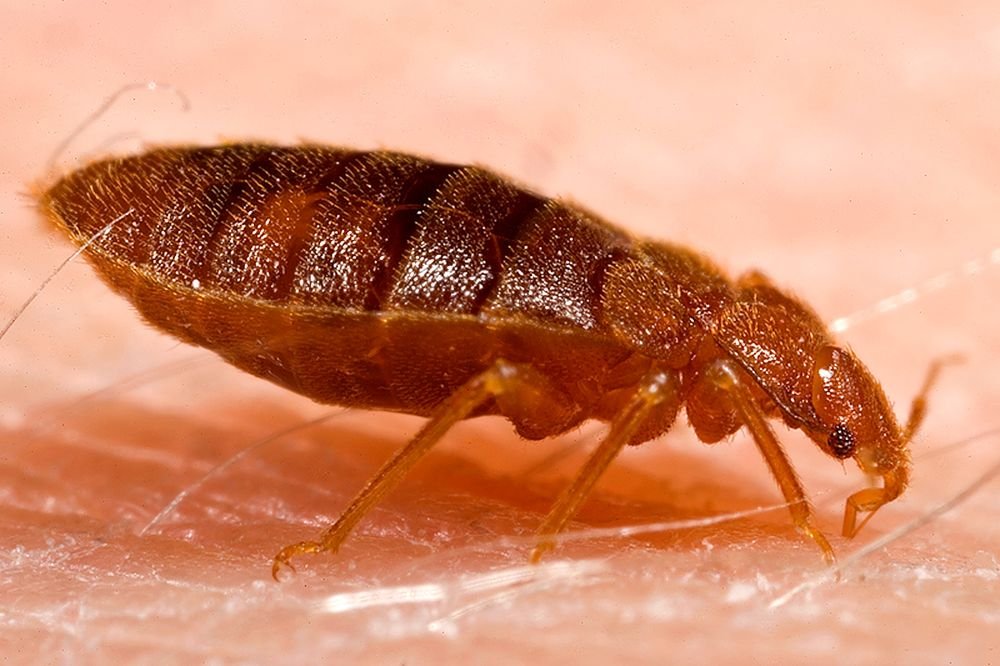
Bed bug treatment in Mobile, AL — one call to a licensed operator.
From downtown hotel corridors near the cruise terminal to Midtown shotgun rentals and student housing by the University of South Alabama, Mobile Alabama Exterminators is a free 24/7 dispatch and referral line that matches you with an independent, ADAI-licensed bed bug operator who already works your part of the city.
One call, and you’re matched
Tell the dispatcher what you’re seeing — bites in a line, spotting on the mattress seam, a recent hotel stay or move — and get matched with a licensed operator who covers Mobile.
☎ Call (888) 295-0220 (888) 295-0220 — answered 24/7Free call · No obligation to hire anyone · The licensed local exterminator you’re matched with inspects and sets the price
Mobile Alabama Exterminators is a free 24/7 dispatch and referral line. Call (888) 295-0220, describe your Mobile bed bug problem, and we match you with an independent operator licensed by the Alabama Department of Agriculture & Industries who covers your address. The licensed operator — not us — inspects your property, sets the price, and does the work. Calling costs nothing and you’re never obligated to hire anyone.
Why does a port-and-visitor city like Mobile see so many bed bug calls?
Mobile catches bed bugs the way port-and-visitor cities always have — from the road. The Alabama Cruise Terminal downtown, the hotel corridors along Water Street and near the interstate exchanges, and the steady flow of guests through downtown lodging give bed bugs more opportunities to change addresses here than in a city without a working port and a busy tourist trade. A traveler’s suitcase, a hotel luggage cart, a rideshare back seat — any one of them can carry a hitchhiking bug from one building to the next.
Mardi Gras season is Mobile’s own specific version of that story, and it’s worth naming directly: Mobile is the birthplace of Mardi Gras in the United States, and for weeks around Fat Tuesday the city’s population swells with out-of-town guests, parade krewes, costume trunks pulled out of storage, and secondhand ball gowns and formalwear passed between households and rented from vendors. Guest bedrooms, costume storage, secondhand formalwear and hotel stays are all plausible vectors during that stretch — a channel most cities never have to think about.
Housing stock matters just as much as the visitors. Midtown’s shotgun-house rental market turns over tenants often, and shared walls or repeated move-ins and move-outs give bed bugs an easy path between units. Near the University of South Alabama, student housing and off-campus rentals see the same churn — new tenants, secondhand furniture pulled off a curb, and no shared pest history. Multifamily buildings across Mobile add shared walls, laundry rooms and hallways, where one unit’s infestation can spread before anyone notices.
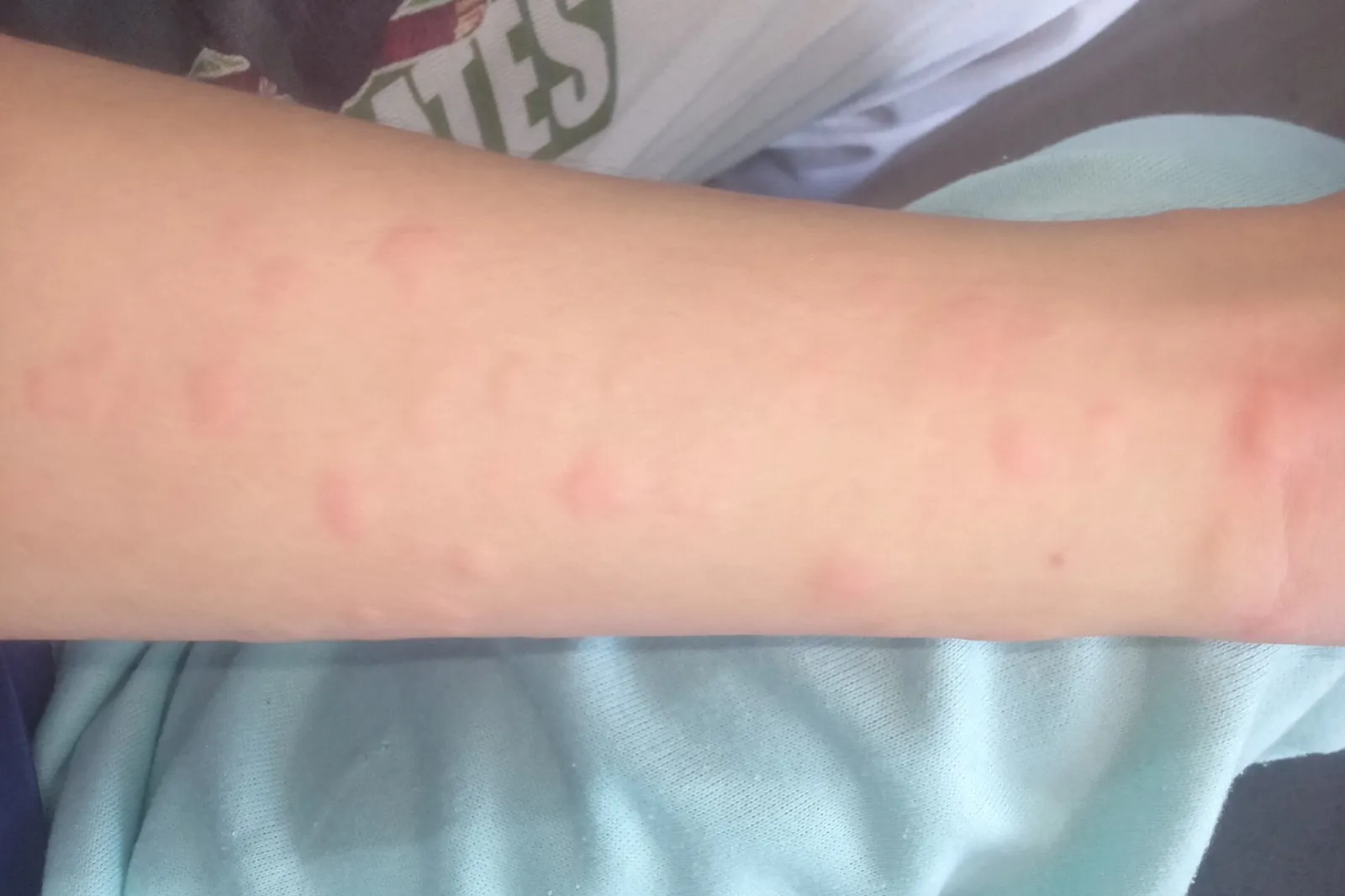
Confirming bed bugs starts with the same handful of inspection points every time, wherever the property sits in Mobile: mattress seams and piping, box-spring corners, headboard hardware and any hollow bed frame, outlet plates near the bed, and luggage racks or the zone around a suitcase after a trip. Reddish-brown insects the size of an apple seed, dark spotting on the mattress seam, or small welts in a line are the classic signs, and an inspection that skips the box spring or the outlet plate is an inspection likely to miss the source.
Heat and chemical treatment are both legitimate, and which one fits depends on the building. Heat treatment raises a room to a lethal temperature in a single, intense day and kills bugs and eggs throughout the space without repeat visits — but it takes real equipment and careful setup, and it is more straightforward in a self-contained slab apartment or a hotel room than in a rambling Midtown shotgun house with additions, uneven insulation and old wiring to protect. Chemical treatment works over several visits with a residual product and a monitoring period, which often suits a shotgun rental’s layout better. A licensed operator weighs the building, not just the bug, before recommending either.
- DIY foggers scatter, they don’t solve. Foggers push bed bugs deeper into wall voids, baseboards and neighboring rooms to escape the spray, turning one contained infestation into several harder-to-find ones.
- Prep does real work. Bagging and hot-washing linens, vacuuming mattress seams and baseboards, and decluttering so an operator can see harborage all help before the first visit even starts.
- Follow-up confirms success. Most protocols call for a re-check roughly two weeks out to confirm nothing survived the first treatment.
Mobile’s travel calendar gives two natural checkpoints worth building into a household’s own routine: after any trip that involved hotel stays, and again after Mardi Gras season winds down, when costumes go back into storage and guest rooms empty out.
Seeing signs of bed bugs in Mobile? Tell the dispatcher what you’re finding — bites in a line, spotting on the mattress seam, a recent hotel stay, trip or move. A specific report gets you matched with the right operator the first time.
☎ Call (888) 295-0220Free call · 24/7 · No obligation to hire — the licensed operator you’re matched with gives the quote
How does the bed bug dispatch line work in Mobile?
Total transparency: we answer phones and match. Licensed operators do the work.
You call, we listen
Tap the number, day or night, and tell the dispatcher what you’re seeing in Mobile — it takes about a minute, costs nothing, and you’re not committing to anything.
We match you locally
Mobile Alabama Exterminators is a dispatch and referral service, not a pest control company. We route your call to an independent operator licensed by the Alabama Department of Agriculture & Industries who covers Mobile and the surrounding Mobile & Baldwin County area.
The operator takes over
The licensed operator inspects your property, walks you through what they found, and gives you their own quote. Hiring them is entirely your decision — and you can verify their ADAI license first through the Pesticide Management Section in Montgomery at (334) 240-7240.
What else can you call the Mobile line about?
The dispatch line routes several core problem types in Mobile. Each links to a deeper guide on this site.
Pest Control Mobile, AL →
The full Mobile dispatch hub — termites, roaches, rodents, mosquitoes and more, all one free call away.
Mosquito Control →
Mobile’s port setting and long season drive a mosquito problem all their own. See the dedicated page.
Cockroach Control →
Downtown buildings and Midtown rentals both carry year-round roach pressure alongside bed bug risk. Species-specific treatment referrals.
Rodent Control →
Mice and rats in the same shotgun houses and multifamily buildings that drive Mobile’s bed bug calls. Exclusion and trapping.
Pest Library →
Browse every pest this line covers across Mobile and Baldwin County.
When do bed bug calls spike in Mobile?
Mobile’s travel and events calendar drives bed bug activity as much as any season does.
| Season | What shows up in Mobile homes |
|---|---|
| Jan–Feb | Pre-Mardi Gras run-up — costume trunks come out of storage, guest rooms get prepped, and secondhand formalwear starts changing hands. |
| Feb–Mar | Mardi Gras season itself brings a visitor surge, packed downtown hotels, and heavy secondhand-costume traffic — a genuinely Mobile-specific spike. |
| Apr–Aug | Cruise terminal sailings and summer travel keep hotel and short-term rental turnover high along Water Street and downtown. |
| Sep–Dec | University of South Alabama move-in and move-out cycles bring secondhand furniture into off-campus rentals, and holiday travel adds another guest-stay checkpoint. |
Recognize your situation? Tell the dispatcher what’s behind it — a recent trip, a new roommate’s furniture, a shared wall in a multifamily building. That context shapes the treatment plan.
☎ Call (888) 295-0220Free call · 24/7 · No obligation to hire — the licensed operator you’re matched with gives the quote
What should you ask the operator you’re matched with?
Asking these on the first visit gets you a better outcome — and a fairer quote.
- “What’s your ADAI license number?” Every legitimate Alabama operator carries one, and the Pesticide Management Section in Montgomery can confirm it. A pro expects the question.
- “Would you recommend heat or chemical treatment for my building?” A slab apartment and a rambling Midtown shotgun house heat very differently. The answer should reference your specific building, not a default script.
- “How many visits does your protocol include, and when’s the recheck?” Chemical protocols typically run several visits with a follow-up recheck around two weeks out. Ask what’s included before you agree to anything.
- “What prep do you need from me before the first visit?” Bagging and hot-washing linens, vacuuming seams, and decluttering all matter. An operator who skips the prep conversation is skipping a step that affects the outcome.
- “If I’m in a multifamily building, do you check adjoining units?” Shared walls let bed bugs move between units. Ask whether the operator inspects or discusses neighboring units, especially in older Mobile apartment buildings.
None of these questions are rude, and none slow a good operator down. The ones who work Mobile’s hotels, rentals and multifamily buildings every week answer them without blinking — and the answers tell you who you’re dealing with before any money changes hands.
Bed bug treatment in Mobile — what do homeowners ask?
Are you a pest control company in Mobile?
No — Mobile Alabama Exterminators is a free dispatch and referral service. We connect Mobile homeowners, renters and businesses with independent, ADAI-licensed pest control operators who perform the inspections and treatments. We never do the work ourselves, and we encourage you to verify any operator’s license before hiring.
How much does bed bug treatment cost in Mobile?
The price is set by the independent operator after they’ve inspected — it depends on the size of the space, the extent of the infestation and whether heat or chemical treatment fits the building. The call and the match are free, and the operator gives you their own quote first.
Can I get bed bugs from a hotel near the Mobile cruise terminal?
Yes — hotel corridors near any port or terminal see more traveler turnover, which raises the odds a room carried bed bugs in on a previous guest’s luggage. Inspecting the mattress seams and headboard before unpacking is a reasonable habit near downtown Mobile.
Does Mardi Gras really affect bed bug risk in Mobile?
It’s a real, Mobile-specific factor. Weeks of visitor traffic, packed hotels, and secondhand costumes and formalwear moving between households all raise the odds of a hitchhiking bug during and just after the season.
Is heat treatment better than chemical treatment for my Mobile home?
Neither is universally better — it depends on the building. Heat suits a self-contained apartment or hotel room well; a Midtown shotgun house with additions and old wiring often does better with a multi-visit chemical protocol. A licensed operator should explain which fits your address.
Can I get someone after hours in Mobile?
The dispatch line answers 24/7. Appointment timing is set by the independent operator and depends on their schedule and your location — availability varies by operator and time of day. The operator confirms timing with you directly.
Ready when you are — day or night.
One call connects you with an independent, ADAI-licensed bed bug operator who already works your part of Mobile.
☎ Call (888) 295-0220(888) 295-0220 — free call, 24/7. The licensed operator inspects and gives the quote.